
Pittsburgh Opens $100M Robotics Center on Old Steel Mill Site
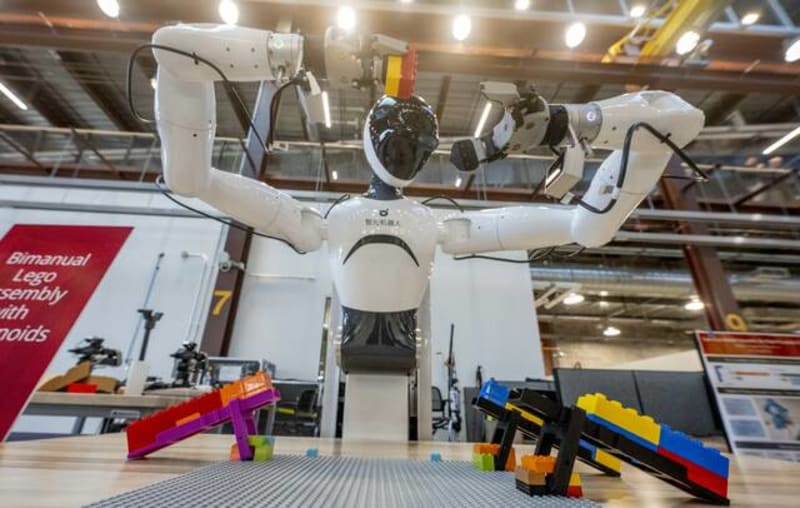
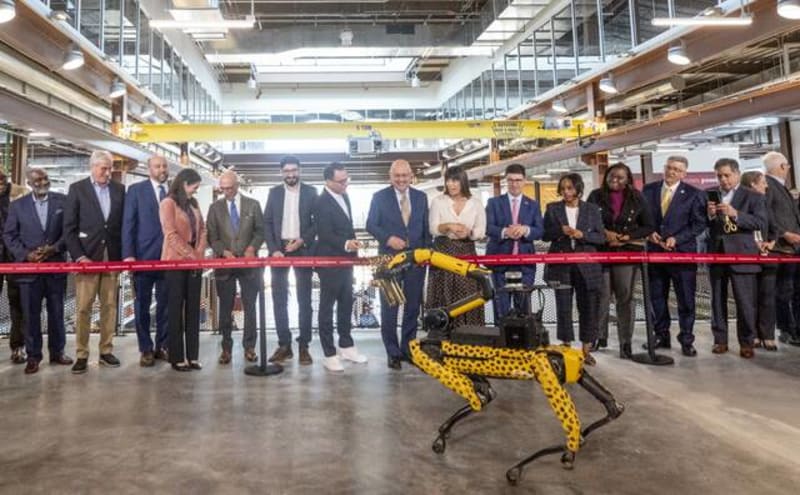
Carnegie Mellon University just opened a state-of-the-art robotics facility where steelworkers once powered America. The $100 million center in Pittsburgh's Hazelwood neighborhood is creating tomorrow's technology while honoring yesterday's builders.
A $100 million robotics center is rising from the ashes of Pittsburgh's steel industry, and it's bringing cutting-edge jobs back to the workers' neighborhood that built America.
Carnegie Mellon University unveiled its new Robotics Innovation Center in Hazelwood Green, a 150,000-square-foot facility sitting exactly where a steel mill once stood. The location isn't random. It's intentional.
"For generations, families have worked in the mills and powered the region," said Sonya Tilghman, a CMU graduate and executive director of the Hazelwood Initiative. "There's something especially symbolic about a world-class robotic facility being here on grounds shaped by industry determination."
The center is already attracting major players. California-based FieldAI, valued at $2 billion, became the first corporate tenant this week. Their technology gives machines an AI brain that can handle jobs too dangerous for humans, like navigating nuclear cleanup sites or disaster zones alongside skilled workers.
"The future of AI is not digital, but physical," said Shayegan Omidshafiei, FieldAI's president. "Intelligence has to learn how to leave the cloud and operate in the real world safely."
The facility brings together engineers, computer scientists, designers and entrepreneurs under one roof. It's designed to turn university research into real-world applications that can change lives.
Governor Josh Shapiro called it the first of its kind in the country and announced Pennsylvania will invest $1.5 million to support it. Those funds will connect CMU students and researchers directly with startups ready to bring classroom innovations into the marketplace.
The Ripple Effect
The center represents more than just technological advancement. It's proof that industrial communities can reinvent themselves without forgetting their roots.
For Hazelwood residents, many whose grandparents worked the steel mills, the robotics center shows meaningful investment in their neighborhood. The university worked closely with the community to ensure locals felt included in the transformation.
Mayor Corey O'Connor said the project positions Pittsburgh as everyone's first choice for innovation. "It's going to help continue to grow our city, but it's also going to amplify our successes to the world stage."
Right next door, the University of Pittsburgh is building BioForge, another 185,000-square-foot facility for cell and gene therapy manufacturing. Construction finishes this fall, with operations starting next year.
Hazelwood is becoming a hub where the hardest problems in robotics and medicine get solved, all on land where steelworkers once forged the backbone of American industry.
The future is being built in Hazelwood again, and this time the whole community is invited.
More Images


Based on reporting by Google: robotics innovation
This story was written by BrightWire based on verified news reports.
Spread the positivity!
Share this good news with someone who needs it