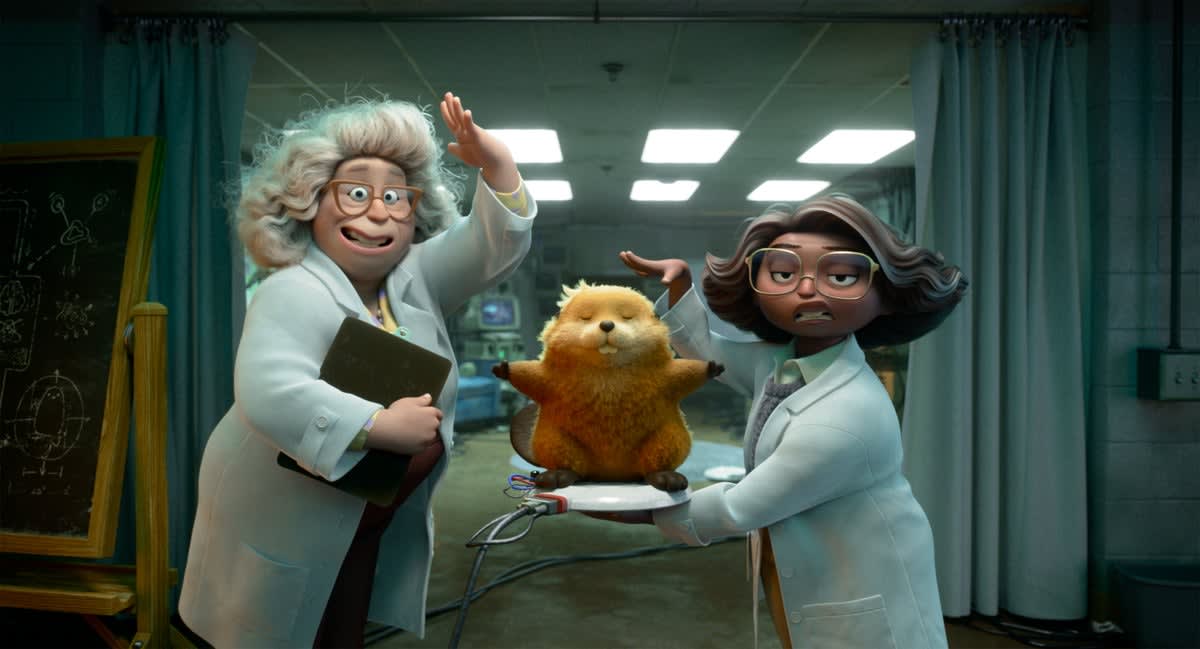
Pixar's Hoppers Got Beavers Right, Scientist Confirms
A beaver expert who consulted on Pixar's new film Hoppers reveals the surprisingly accurate science behind the movie's adorable dam builders. From "beaver butt juice" in your vanilla flavoring to why these 110-pound engineers could never be classroom pets, the real story is just as wild as the film.
When Pixar needed to get beavers right for their new movie Hoppers, they called Emily Fairfax, a scientist who literally studies these furry engineers all day at the University of Minnesota. What she found in the finished film surprised her: the science was spot on, down to some pretty strange details.
In Hoppers, scientists hop into robot beaver bodies to study a colony from the inside. Real researchers can't do that yet, but they get creative. Fairfax flies drones over beaver habitats and sets up game cameras tied to trees to watch these animals work their magic.
The film calls beavers a "keystone species," and that's no Hollywood exaggeration. Besides humans, beavers are the only animals on Earth that can create entire wetlands from scratch. Their dams transform landscapes so dramatically that scientists actually build fake beaver dams called "beaver dam analogues" to try mimicking their environmental benefits.
Could a trained engineer build a beaver dam? Fairfax, who worked as an engineer herself, says absolutely not. Even with modern equipment and blueprints, she couldn't recreate what beavers build using just sticks and mud.
The Ripple Effect
The movie features a running joke about beaver oils that smell like vanilla, and this detail is "disturbingly accurate," according to Fairfax. Beavers excrete oils called castoreum from their rear ends and use them for grooming. Here's the kicker: in the 1970s and 1980s, "natural vanilla flavoring" in foods often came from this beaver castoreum. Yes, people were consuming beaver butt juice in their snacks.
One hilarious scene shows a beaver as a classroom pet, but Fairfax warns this would be a disaster. Adult beavers weigh between 40 and 110 pounds, and students would return from recess to find their desks chewed up and stacked into a dam. Beavers are stubborn, determined, and laser-focused on their building mission.
The film's family dynamics also ring true. Beaver families work as tight units where every member has a job. Disrupting a beaver family is one of the most damaging things that can happen to them because their entire wetland ecosystem depends on teamwork.
As climate change reshapes habitats, beavers are proving remarkably resilient. They thrive in prairies, forests, mountains, and deserts, creating vital wetlands wherever they go. There's one concern, though: as Arctic permafrost thaws, beavers are moving north and creating more wetlands, which could accelerate the thaw in ways scientists are still studying.
Fairfax's work reminds us that nature's engineers have been perfecting their craft for millions of years, and we're still learning from them.
More Images



Based on reporting by Scientific American
This story was written by BrightWire based on verified news reports.
Spread the positivity!
Share this good news with someone who needs it

%2Ffile%2Fattachments%2Forphans%2FRovingRep-Madagascar-stormsMAIN_652963.jpg)