Plant-Based Fungicide Saves France's Struggling Vineyards
After France banned copper pesticides that protected wine grapes, a new plant-based fungicide offers hope to an industry devastated by climate-driven mildew outbreaks. The sustainable solution could rescue vineyards facing their smallest harvest in a century.
French winemakers just gained a powerful new weapon against the climate-fueled diseases threatening to destroy their livelihoods.
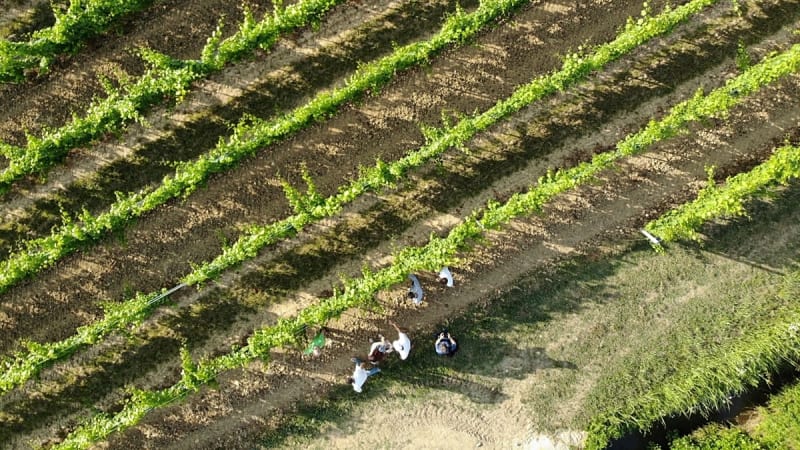
France's wine industry has been in crisis mode since officials banned 19 copper-based fungicides that farmers relied on for decades to protect grapes from deadly mildew. The products were pulled over health concerns for vineyard workers, leaving growers scrambling for alternatives just as climate change made their disease problems worse.
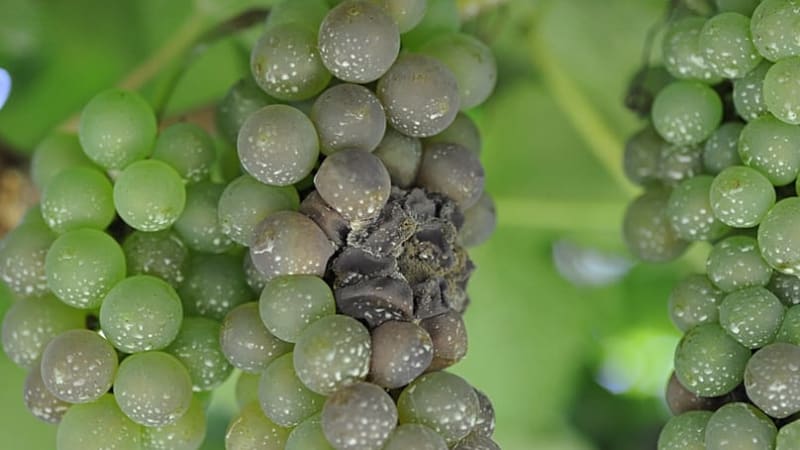
The timing couldn't be more critical. In 2024, France recorded one of its smallest wine harvests in a century, with yields plummeting 18 percent from the previous year. Powdery and downy mildew swept through most wine-growing regions, causing major economic losses and forcing some desperate farmers to permanently rip out their vines.
Climate change created the perfect storm for these plant diseases. Last summer's scorching 43°C heatwaves brought drought to many regions, while altered rainfall patterns and higher humidity elsewhere gave mildew the exact conditions it needs to thrive and spread. Disease outbreaks that were once predictable now strike more frequently and without warning.
Enter Mevalone, a breakthrough biofungicide developed by UK tech company Eden Research. The product just received approval in France, arriving as a lifeline for struggling grape growers.
Unlike copper pesticides, Mevalone uses active ingredients that plants naturally produce as part of their immune systems. These plant-derived molecules fight the same diseases copper did, but with a crucial difference: they break down rapidly in soil instead of persisting as potentially harmful forever chemicals.
The environmental benefits extend beyond the vineyard. Because plants consume CO2 while producing these protective molecules, Mevalone carries a lower carbon footprint than copper fungicides, which require higher doses and more applications.
The Ripple Effect
This innovation arrives at exactly the right moment. With the copper fungicide ban in full effect since January 15 and farmers' stockpiles running out within a year, Mevalone is now one of the only viable options available to French grape growers.
The fungicide supports the shift toward regenerative agriculture that climate pressures are making essential. By degrading quickly in the environment, it protects both crops and soil health, allowing beneficial organisms to thrive while still defending against disease.
For an industry that employs hundreds of thousands across France and represents a cornerstone of the country's cultural identity, this sustainable solution offers more than disease protection. It provides a path forward that works with nature instead of against it, even as warming temperatures make traditional farming practices increasingly difficult.
French vineyards now have a fighting chance to recover without sacrificing environmental health or worker safety.
More Images



Based on reporting by Euronews
This story was written by BrightWire based on verified news reports.
Spread the positivity!
Share this good news with someone who needs it