Plant With No Brain Can Count, Study Finds
Scientists discovered that mimosa pudica plants can track and count light cycles without neurons or a brain, suggesting intelligence may exist beyond nervous systems. The groundbreaking finding could reshape how we understand learning and memory.
A humble houseplant just proved it can count to three, and it doesn't need a brain to do it.
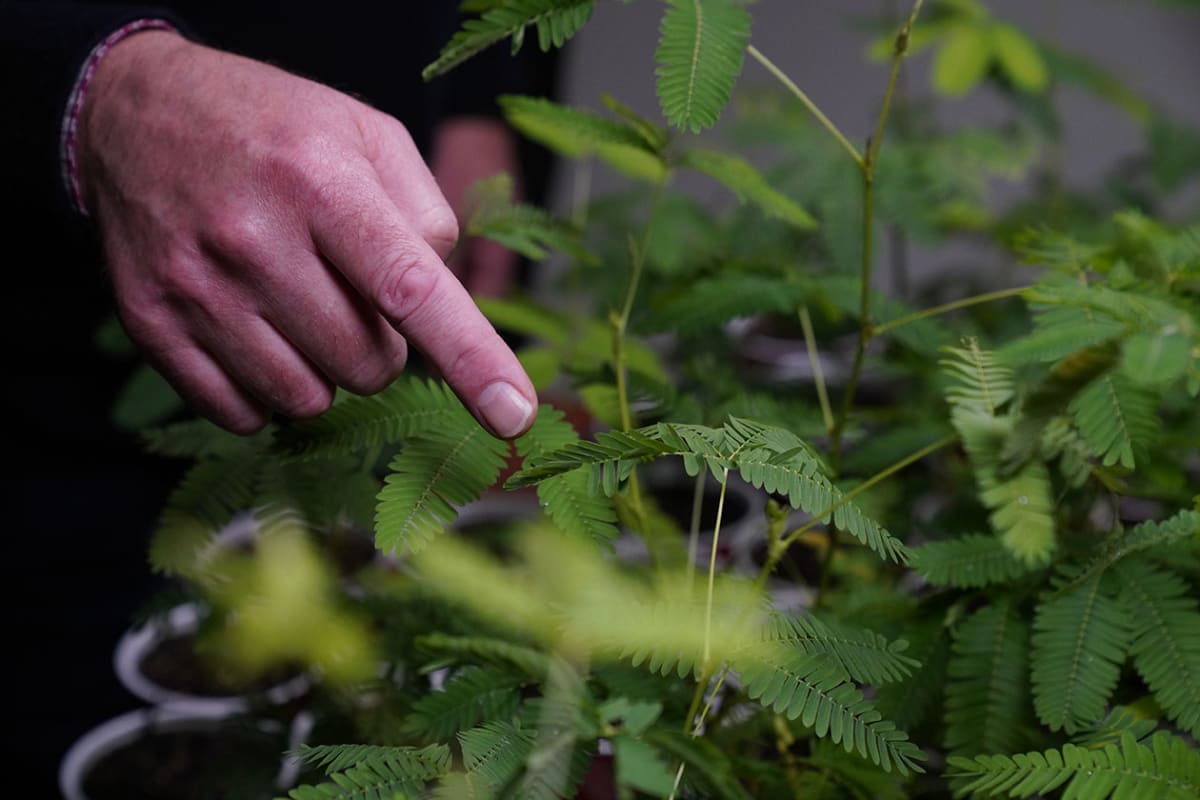
Researchers at William & Mary discovered that mimosa pudica, known as the shy plant, can track the number of light and dark cycles it experiences. The plant anticipated when light would return after watching a repeating three-day pattern, a cognitive feat scientists thought required a nervous system.
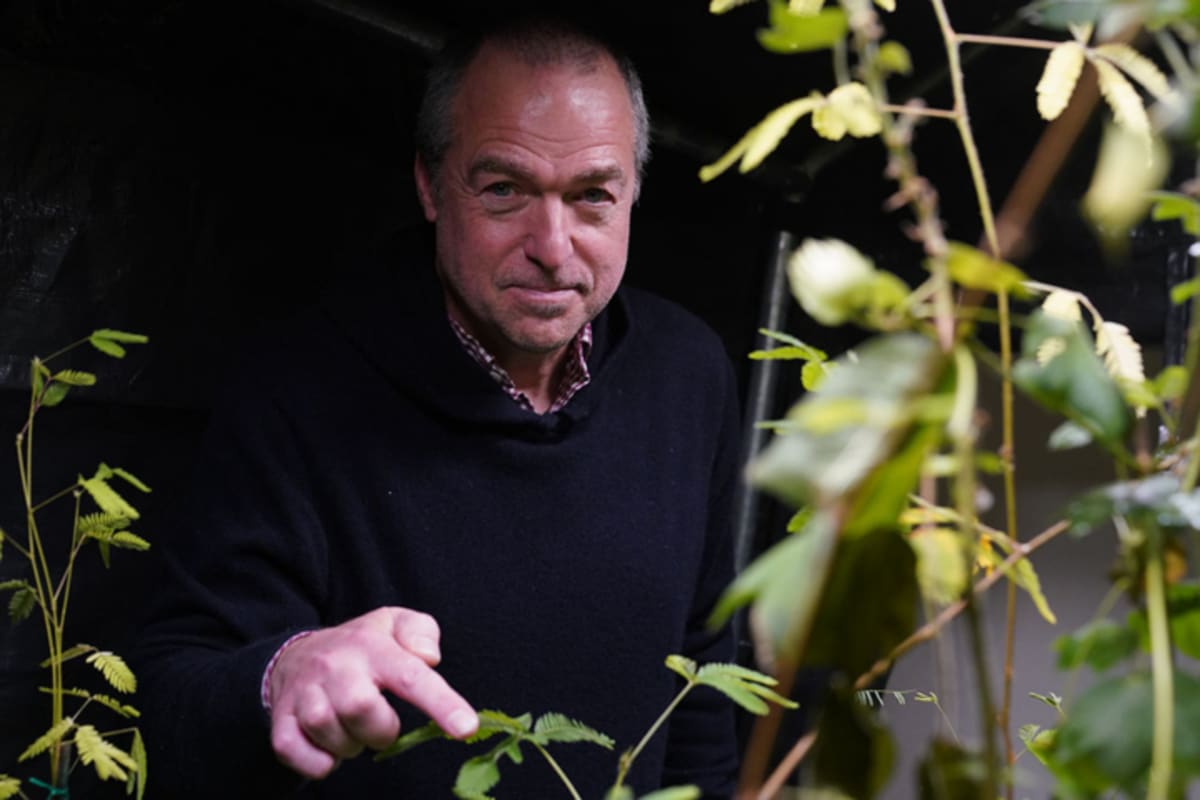
Psychology professor Peter Vishton and former student Paige Bartosh tested the plants inside a windowless tent, creating artificial day-night cycles. For two days, plants got 12 hours of light and 12 hours of darkness. On the third day, they stayed in the dark.
After five repetitions, something remarkable happened. The plants became more active just before dawn on days when light was scheduled to return. On the always-dark third day, that pre-dawn activity dropped.
The plants had learned the sequence.
To rule out circadian rhythms, the team shortened days from 24 hours to 20 hours. The plants adjusted almost immediately. Then researchers tried random cycle lengths between 10 and 32 hours. The pattern held for cycles between 12 and 24 hours but broke down at the extremes.
"The simplest explanation is that these plants are tracking the number of events that take place, not simply responding to time," Vishton said.
The mimosa pudica moves through structures called pulvini, swellings at the base of each leaf that shift water pressure using ionic exchanges. No neurons involved. How the plant stores and processes this counting information remains a mystery.
The study, published in Cognitive Science in late 2025, represents the first evidence that plants can enumerate discrete events. The learning curve even matched patterns seen in rats learning sequences.
Why This Inspires
This discovery challenges everything we thought we knew about intelligence. If a plant can learn and remember without a single neuron, what else might be happening in the cellular world we've overlooked?
Vishton hopes biologists will dig deeper into the mechanisms. He also wonders if non-neuronal cells in animals and humans might be capable of more than we assume. Future applications could range from plant-based sensors to new understanding of how habits form at the cellular level.
The shy plant just taught us that intelligence might be far more widespread in nature than we ever imagined.
More Images

Based on reporting by Google News - Scientists Discover
This story was written by BrightWire based on verified news reports.
Spread the positivity!
Share this good news with someone who needs it