Planting Trees Cuts Urban Heat by 40% in U.S. Cities
New research shows that simply planting more trees can reduce urban heat by up to 40 percent in American neighborhoods. The solution to deadly heat waves might be growing right outside our windows.
Cities across America are discovering that one of the best weapons against rising temperatures has been hiding in plain sight for centuries: trees.
Two groundbreaking studies reveal that urban tree canopy can slash excess heat by up to 40 percent compared to neighborhoods without greenery. The research compared 65 American cities and found dramatic cooling benefits wherever trees were planted, from New York to Los Angeles to Atlanta.
The science is surprisingly simple. Trees cool cities in two powerful ways: they release moisture from their leaves like natural air conditioners, and they provide shade that prevents concrete from absorbing heat. Without trees, pavement soaks up the sun's energy all day and releases it throughout the night, giving city residents no relief even after sunset.
This matters because heat already kills more Americans every year than all other extreme weather events combined. The urban heat island effect makes cities significantly hotter than surrounding countryside, with temperatures reaching dangerous levels for vulnerable groups like the elderly and those without air conditioning.
The cooling benefits are most dramatic in neighborhoods that need them most. Lower-income areas often have far less tree cover than wealthier suburbs, creating temperature gaps of almost 4 degrees Fahrenheit between tree-rich and tree-poor neighborhoods in the same city.
Robert McDonald, lead scientist at the Nature Conservancy, estimates that urban heat islands would be twice as severe without existing trees. His research shows that tree cover can cancel out half of the heat island effect entirely.
The Ripple Effect
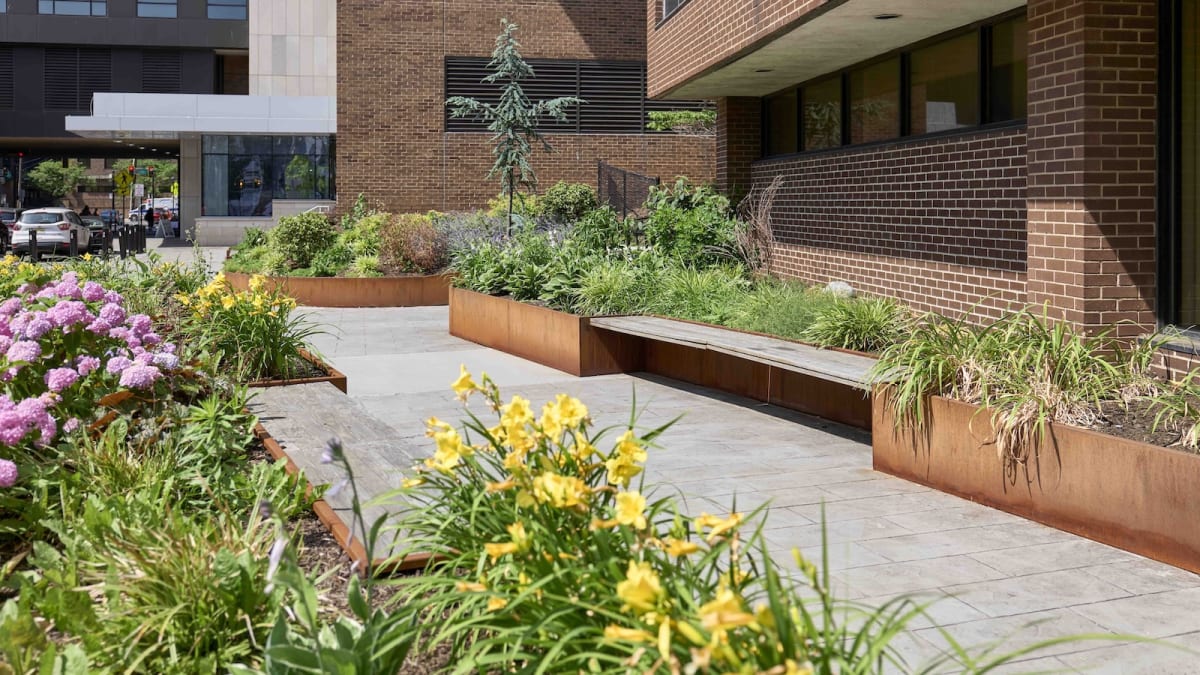
The benefits extend far beyond temperature control. More trees mean better biodiversity, cleaner air, and improved mental health for city residents. Urban forests provide shade for afternoon walks, habitats for birds and pollinators, and even food when cities choose fruit-bearing species.
Steve Whitesell from the Healthy Green Spaces Coalition found remarkable consistency across American cities. "They were all showing an impact," he said of the cooling dividend trees provided, regardless of regional climate differences.
The strategy requires thoughtful planning. Bigger trees provide more shade, while native species support local wildlife. Cities must also consider climate change, planting species that will survive not just today's temperatures but tomorrow's hotter conditions.
Trees alone won't solve everything. Even maximum tree planting would only offset 20 percent of projected temperature increases from climate change. Cities will need additional solutions like reflective rooftops and smart urban design.
But for neighborhoods suffering through deadly heat waves right now, the answer is refreshingly straightforward: plant more trees, create more shade, and watch temperatures drop.
More Images



Based on reporting by Grist
This story was written by BrightWire based on verified news reports.
Spread the positivity!
Share this good news with someone who needs it