Plants and Worms Clean Polluted City Drains in Scotland
Scientists in Scotland discovered how to use plants and earthworms to clean contaminated drainage systems, creating infrastructure that heals itself. The breakthrough could save cities millions while cutting carbon emissions from expensive soil replacement.
Cities might soon have drainage systems that clean themselves, thanks to an unlikely team: specially chosen plants and earthworms working together underground.
Researchers at the University of Strathclyde in Glasgow proved that nature can do what expensive machinery struggles with. They successfully used phytomining plants and earthworms to remove pollutants from sustainable urban drainage systems, the green infrastructure designed to manage stormwater and prevent flooding.
Here's the problem they solved: these drainage systems naturally filter out metals and chemicals from rainwater, but over time, the contaminated soil needs replacing. Digging up and disposing of polluted soil costs cities a fortune and releases huge amounts of carbon into the atmosphere.
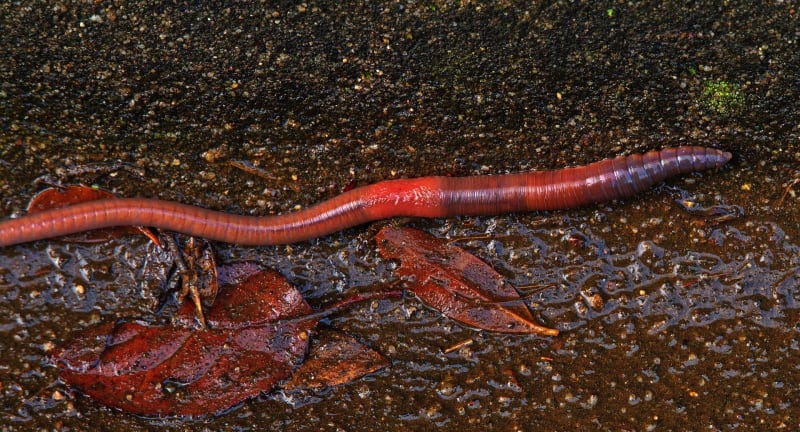
The research team partnered with companies Phyona Ltd and Pictish Worms to test a biological solution. The phytomining plants pull metals from the soil through their roots, while earthworms break down organic pollutants and rebuild healthy soil structure. Together, they turned contaminated drainage systems into self-healing infrastructure.
Professor Vernon Phoenix, who led the research, emphasized the long-term vision. "As we install more SuDS systems, we want to ensure they stay healthy and functional for as long as possible," he said. The natural approach cuts both costs and carbon emissions while keeping critical flood protection working longer.
The timing couldn't be better. Climate change is bringing more intense rainfall to cities worldwide, making drainage systems more important than ever for flood protection. Infrastructure that strengthens itself over time instead of breaking down offers real resilience against these growing pressures.
The Ripple Effect
This breakthrough reaches far beyond one city's drainage problem. Sustainable urban drainage systems are being installed in communities worldwide as cities work to manage stormwater and reduce flooding risks.
If this biological approach scales up, thousands of drainage sites could avoid the excavation and disposal cycle entirely. Cities would save money currently spent on soil replacement and redirect those funds to other climate resilience projects. The carbon savings alone could be significant, as heavy machinery and landfill operations generate substantial emissions.
The research also opens doors for metal recovery. The phytomining plants don't just remove metals from soil, they concentrate them in ways that might allow recycling. What once was contamination could become a resource.
Dr. Liz Fletcher from IBioIC said the next step involves working with local authorities and industry partners on expanded trials. More testing will help refine the approach and prove it works across different soil types and pollution levels.
Cities worldwide are watching what happens in Scotland, waiting to see if nature's cleanup crew can transform urban infrastructure everywhere.
More Images


Based on reporting by Phys.org - Earth
This story was written by BrightWire based on verified news reports.
Spread the positivity!
Share this good news with someone who needs it