Plants Store 'Winter Memory' in Tiny Molecular Clusters
Scientists at the University of York have discovered how plants remember winter at the cellular level, watching molecular clusters form "memory hubs" that tell flowers when to bloom. The breakthrough could help us grow crops that adapt to our changing climate.
For the first time, scientists have watched plants build memories of winter inside their cells, revealing how flowers know the perfect moment to bloom.
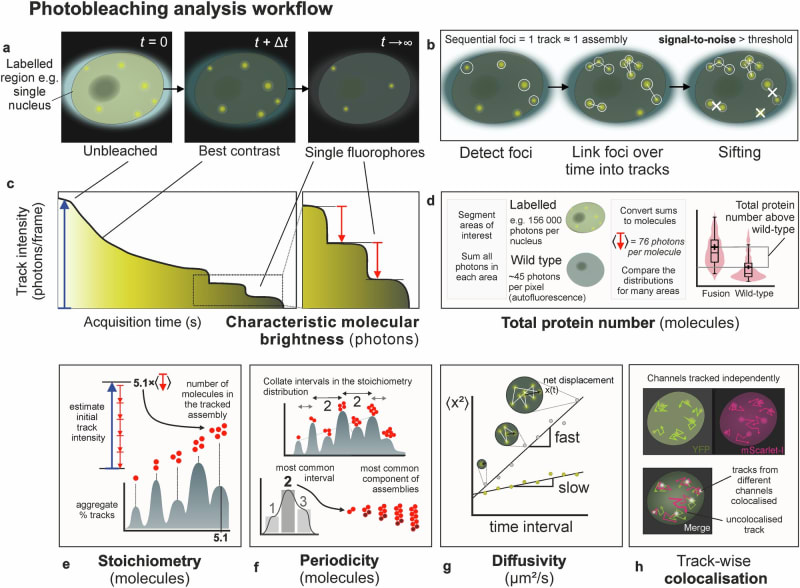
Researchers at the University of York created a new microscope technique called SlimVar that peers deep inside living plant tissue, capturing what was previously invisible. The technology acts like an ultra-sensitive camera, tracking individual molecules as they move around 30 micrometers beneath the surface, far deeper than traditional microscopes can see.
What they found surprised them. Two proteins named VIN3 and VRN5 gather into tiny clusters inside plant cell nuclei during cold weather. These clusters double in size throughout winter, forming around genes linked to flowering.
Here's the remarkable part: many of these clusters stick around even after temperatures warm up again. Professor Mark Leake from the University of York explains these long-lasting clusters act like miniature memory hubs, helping plants remember they've survived winter and it's time to grow.
The proteins work by switching off a gene that prevents flowering. Without experiencing cold, many plants would never bloom at all. They need to know winter happened before they invest energy into flowers and reproduction.
The discovery reveals how plants use epigenetics, natural and reversible changes that control which genes turn on or off, to sense and respond to their environment. Until now, watching these processes unfold inside thick plant tissues seemed nearly impossible.
The technique required clever engineering. By adjusting light angles and using advanced computer processing, the team cut through the blur that normally obscures molecular movement deep inside living tissue. The result is crystal-clear video of individual molecules doing their work in real time.
Why This Inspires
This breakthrough opens doors scientists have been trying to unlock for years. Understanding how plants sense and remember environmental conditions could transform how we breed crops for unpredictable weather patterns.
As climate change brings warmer winters and irregular cold spells, many crops struggle to know when to flower. Some bloom too early and get damaged by late frosts. Others wait too long and miss optimal growing seasons. Being able to adjust these cellular memory systems could help farmers grow food that adapts to whatever weather comes.
The SlimVar technique isn't limited to studying winter memory either. Researchers can now explore how plants respond to drought, heat stress, diseases, and other challenges, all by watching molecular conversations happen in living tissue.
Sometimes the biggest advances come from simply being able to see what was always there, waiting to teach us something new.
More Images

Based on reporting by Google: scientists discover
This story was written by BrightWire based on verified news reports.
Spread the positivity!
Share this good news with someone who needs it
%2Ffile%2Fattachments%2F2996%2F20ThefarmersdaughterusingsolarandAItokeepharvestsalive10_793178.jpg)