Plug-In Solar Panels Get Cheaper, Face Utility Pushback
Affordable solar panels that plug directly into your wall outlet are spreading across America, letting renters and homeowners instantly cut their power bills. Thirty states are now considering laws to make them easier to use, though electric utilities are hitting the brakes.
Imagine cutting your electricity bill by just plugging a solar panel into your wall like a lamp. That future is arriving faster than anyone expected.
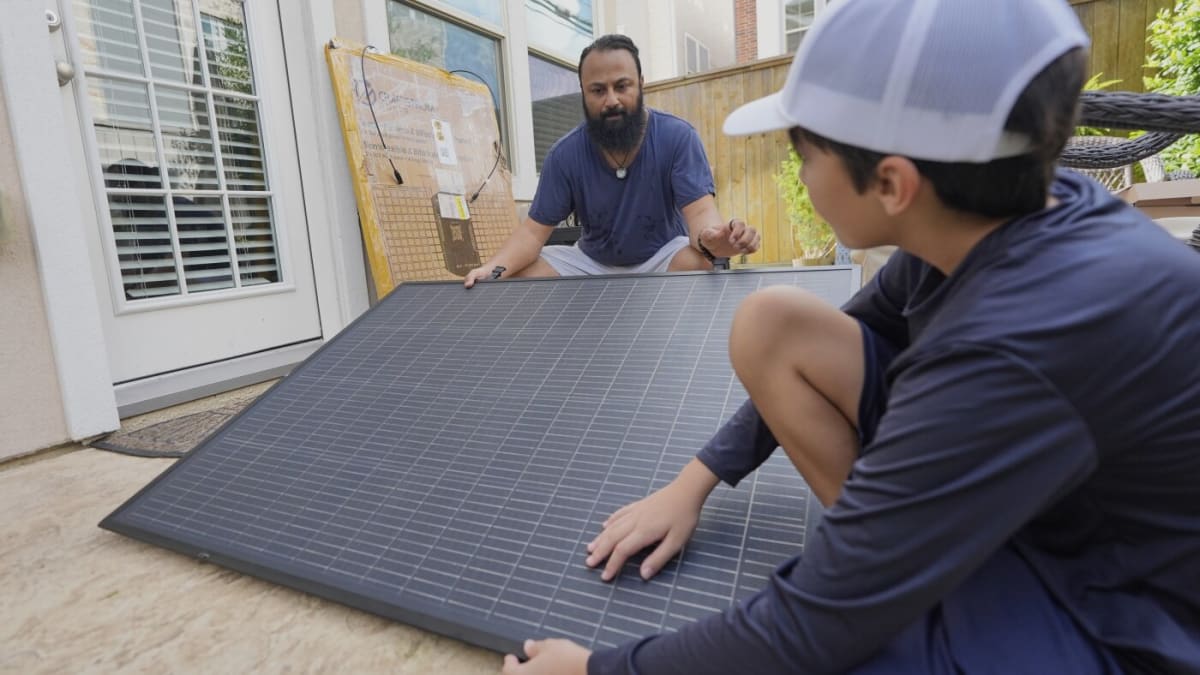
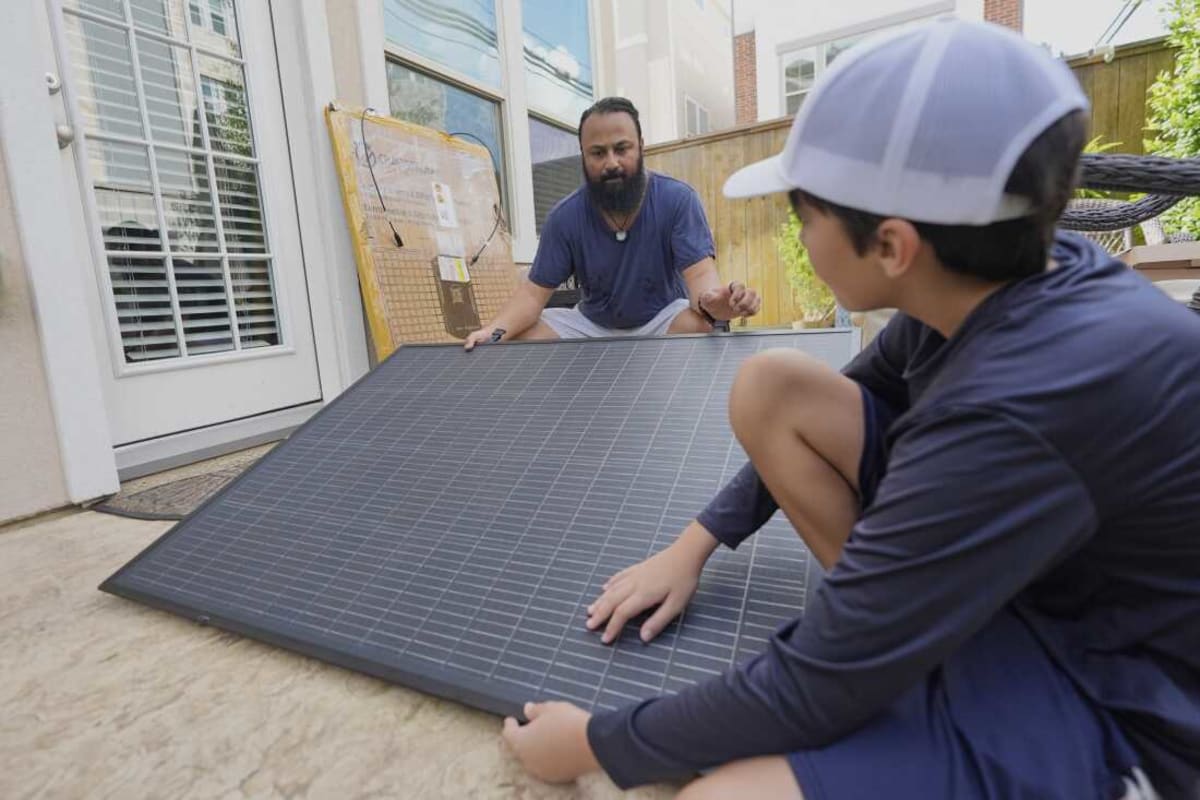
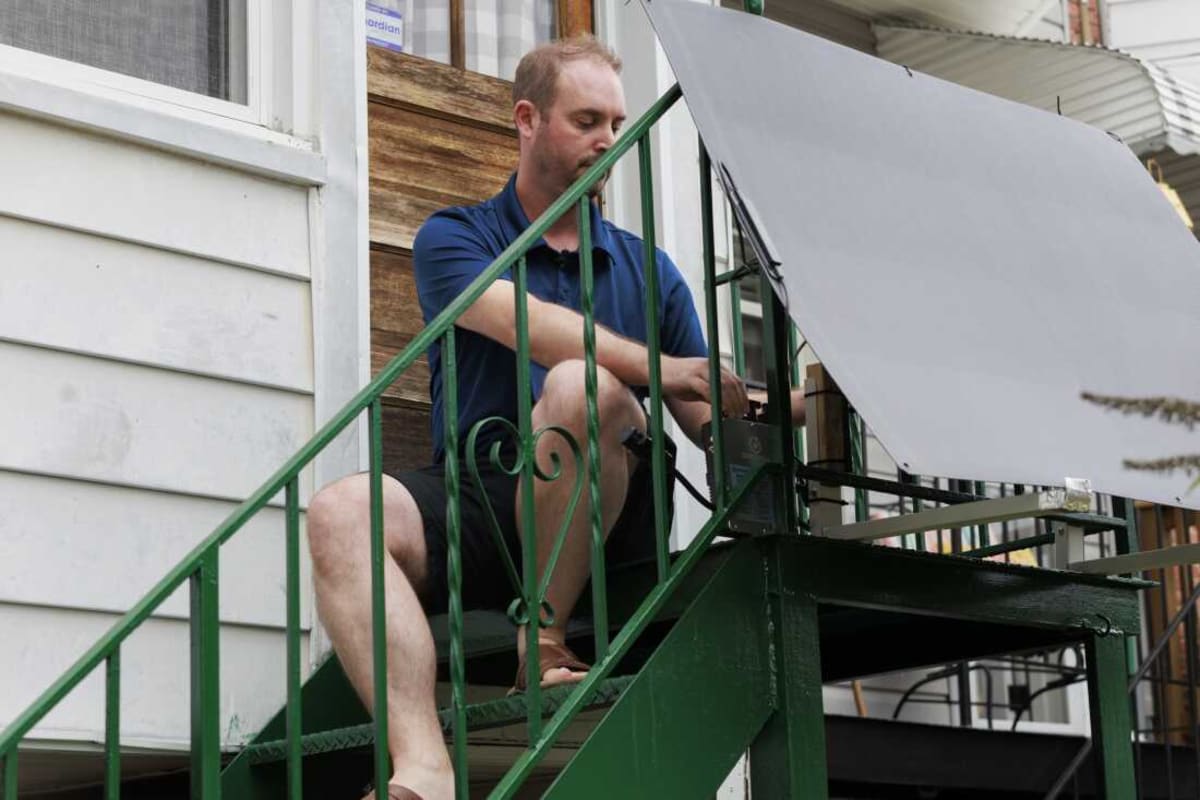
Plug-in solar panels are creating buzz across America as energy costs climb. These small systems sit on balconies, hang from windows, or rest in backyards, generating enough power to run a refrigerator or microwave while shaving dollars off monthly utility bills immediately.
"A year ago, nobody was talking about this," says Cora Stryker, who co-founded Bright Saver, a California group promoting the technology. Germany is already all-in, with 1.2 million registered systems powering homes across the country.
The panels cost a fraction of traditional rooftop solar, which can run over $20,000. These plug-in versions generate clean energy without the expensive installation, permits, and utility agreements that typically double the final price tag.
Utah became the first state to pass a law supporting plug-in solar last May. Now roughly 30 states have introduced similar bills to eliminate complicated paperwork requirements for these small systems.
But electric companies are pumping the brakes. Utilities have convinced lawmakers in five states to delay votes, citing safety concerns for electrical workers.
The main worry is that panels could keep generating power during outages, potentially endangering lineworkers repairing downed lines. Utilities also point to shock risks from plugs that generate electricity instead of consuming it, unlike regular appliances.
The Bright Side
Safety experts say these concerns are real but solvable. UL Solutions, the respected product safety organization, launched a testing program in January specifically for plug-in solar systems.
"There are ways, from a technological standpoint, to mitigate those potential hazards for utility workers," says Ken Boyce, vice president of engineering at UL Solutions. Manufacturers must design around these issues before earning the familiar UL certification label.
The proposed state laws actually require this certification, meaning only tested and approved products would qualify. Every kilowatt-hour these panels generate comes from sunshine instead of climate-warming fossil fuels, helping families save money while reducing emissions.
Stryker believes utilities worry less about safety and more about competition. "They don't want anyone messing with their business model," she says, noting that every solar kilowatt-hour means one less sale for power companies.
The technology offers something especially valuable: solar access for renters and people who can't afford $20,000 rooftop installations. Clean energy is becoming democratic, one outlet at a time.
More Images

Based on reporting by NPR Science
This story was written by BrightWire based on verified news reports.
Spread the positivity!
Share this good news with someone who needs it