Pocket Device Detects Food Allergens in 2 Minutes
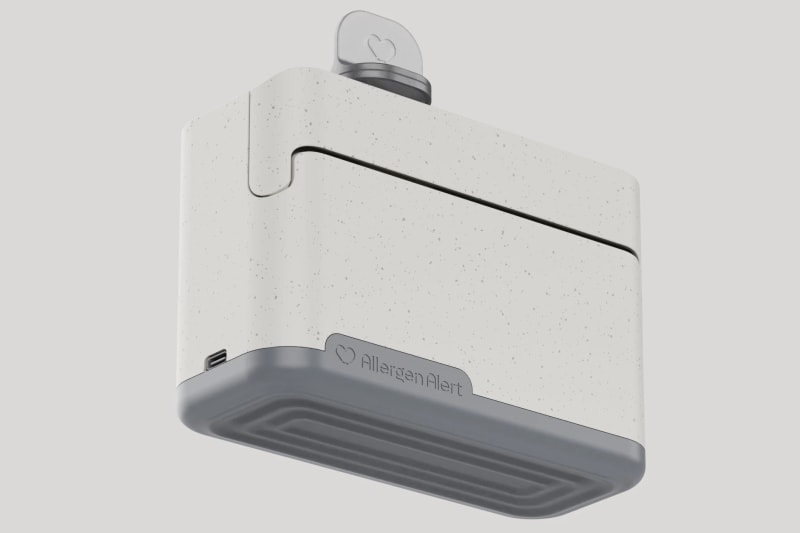
A French company just unveiled a pocket-sized device that identifies food allergens in two minutes, offering newfound freedom to millions living with food allergies. After 10 years of development with doctors and patients, Allergen Alert could transform dining out from stressful to safe.
Imagine being able to test your restaurant meal for hidden allergens before taking that first risky bite. That's now possible thanks to a breakthrough device unveiled at CES 2026.
French company bioMerieux introduced Allergen Alert, a portable battery-operated detector that identifies food allergens with laboratory precision in just two minutes. The pocket-sized tool represents a decade of collaboration between allergists, emergency physicians, allergy patients, and restaurant owners.
The timing couldn't be better. Food allergies have surged 50% over the past 15 years, transforming from a rare concern into a widespread public health challenge. Changing lifestyles, food industrialization, and environmental shifts have all contributed to this dramatic rise.
For the 32 million Americans living with food allergies, everyday activities like dining out or grocery shopping carry real risks. Families with allergic children spend an extra $4,000 to $5,000 annually on specialized food, careful meal planning, and medical care. Cross-contamination concerns and inaccurate menu listings turn simple meals into anxiety-inducing experiences.
Allergen Alert works differently than previous detection attempts that relied on barcode scanners or photo analysis apps. Users place a small food sample into a single-use pouch, insert it into the device, and receive clear results on a screen or smartphone app within two minutes.
The device currently detects milk and gluten allergens using immunoassay technology, which identifies specific allergen proteins through antibodies. When it launches for pre-order later this year, test pouches will cost under $10 each or be available through subscription plans.
By 2028, bioMerieux plans to expand detection to the nine most common food allergens responsible for 80% of allergic reactions. That list includes peanuts, tree nuts, milk, eggs, fish, shellfish, wheat, soy, and sesame.
The Ripple Effect
Restaurant owners concerned about patron safety now have a reliable tool to verify dishes are truly allergen-free. Parents can test food at birthday parties or school events without seeming overprotective. Teenagers and young adults gain independence to eat away from home with confidence.
Beyond food allergies, the technology opens doors to future applications in water quality testing and environmental monitoring. What started as a solution for safer dining could evolve into a versatile tool for detecting contaminants in multiple settings.
Allergen Alert transforms the invisible threat of hidden allergens into something detectable and preventable, giving millions of people the freedom to enjoy meals without fear.
More Images


Based on reporting by New Atlas
This story was written by BrightWire based on verified news reports.
Spread the positivity! 🌟
Share this good news with someone who needs it