Podcaster Pushes Solar Energy as National Security Win
A prominent social media voice is championing solar energy development, framing clean power as essential to American national security. Her posts highlight China's massive solar expansion while urging the U.S. to accelerate its own investment.
A new voice is bringing solar energy into unexpected conversations, and the message is catching attention.
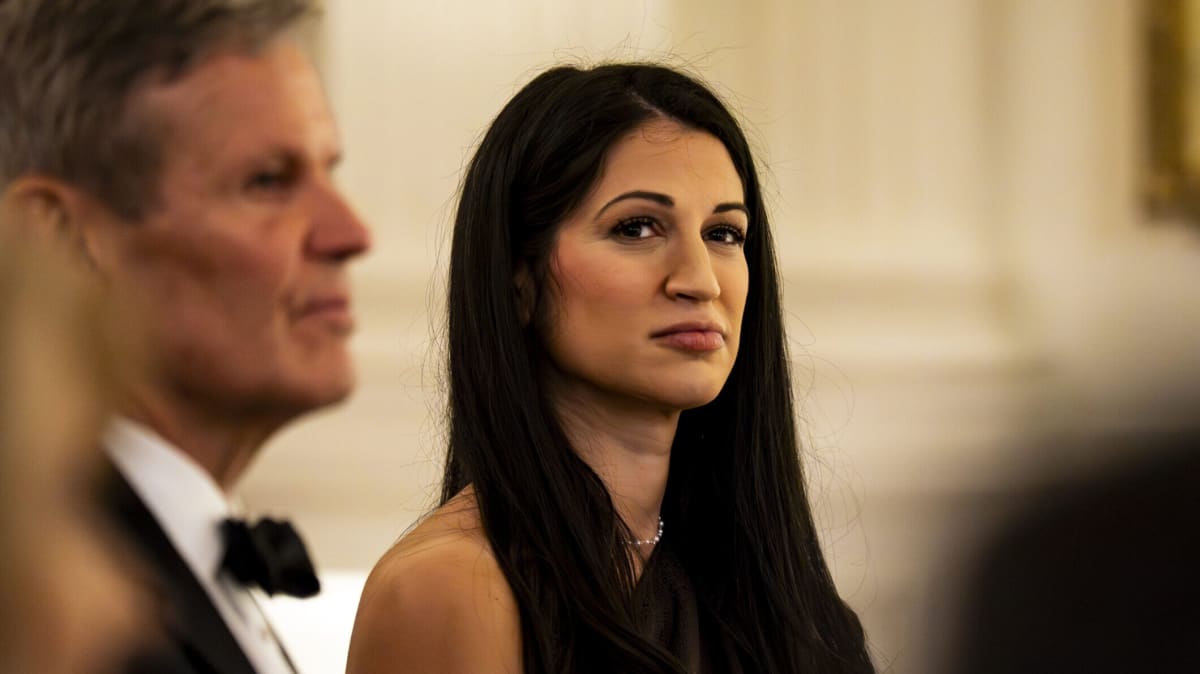
Katie Miller, a podcaster with significant social media reach, has spent the past month posting nearly a dozen times about the benefits of solar development. Her angle is fresh: she's framing renewable energy investment as a critical national security priority for the United States.
Miller's posts often point to China's extensive solar buildout as both a challenge and a blueprint. By highlighting how far ahead China has moved in solar infrastructure, she's making the case that American investment in clean energy isn't just environmental policy. It's strategic competition.
The framing is notable because it bridges political divides that often stall clean energy progress. When solar power gets positioned alongside national security and economic competitiveness, it opens doors to broader support across the political spectrum.
Miller typically focuses her social media presence on birth rates and technology industry dynamics. Her pivot to championing solar represents an expansion of the clean energy conversation into new networks and audiences who might not traditionally engage with climate topics.
The Ripple Effect
The real power here isn't just one person's posts. It's the potential for reframing how Americans think about renewable energy.
When clean energy gets discussed purely as an environmental issue, it can feel abstract or partisan to some audiences. But when it's presented as economic strength, job creation, and national security, the conversation shifts. Suddenly, solar panels aren't just about reducing emissions. They're about American competitiveness and energy independence.
China currently dominates global solar manufacturing and installation. The country added more solar capacity in 2023 than the entire world combined in 2022. That kind of gap creates genuine strategic concerns about supply chains, technological leadership, and economic advantage.
By bringing these angles to her audience, Miller is helping normalize solar advocacy in spaces where it might have faced skepticism. That kind of cross-pollination of ideas helps build the broad coalitions needed for major infrastructure investment.
The United States has been ramping up domestic solar manufacturing and installation, supported by recent federal investment. But voices that can translate those efforts into language that resonates across different communities make the work more durable and widely supported.
When more Americans see solar energy as a strength issue rather than just a green issue, the path forward gets clearer for everyone.
More Images


Based on reporting by Google News - Clean Energy
This story was written by BrightWire based on verified news reports.
Spread the positivity!
Share this good news with someone who needs it