Pokémon Go Data Helps Delivery Robots Navigate City Streets
Millions of Pokémon Go players accidentally created the world's most detailed urban map while hunting virtual creatures. Now those snapshots are helping pizza delivery robots find their way through cities where GPS fails.
Remember when everyone was outside catching Pokémon in 2016? Those millions of players were doing more than hunting Pikachu. They were building the future of robot navigation.
Niantic Spatial, spun off from the company behind Pokémon Go, just partnered with Coco Robotics to solve a problem that's stumped delivery robots for years. GPS simply doesn't work well in cities, where signals bounce off buildings and can place you on the wrong block entirely.
The solution came from an unexpected source. Over eight years, 500 million Pokémon Go players took 30 billion photos of urban landmarks while playing the game. Each image came tagged with super-accurate location data showing exactly where the player stood, which direction they faced, and what they saw.
Niantic Spatial turned that massive collection into a visual positioning system that can pinpoint your location to within a few centimeters. Instead of relying on spotty satellite signals, it figures out where you are by recognizing what's around you.
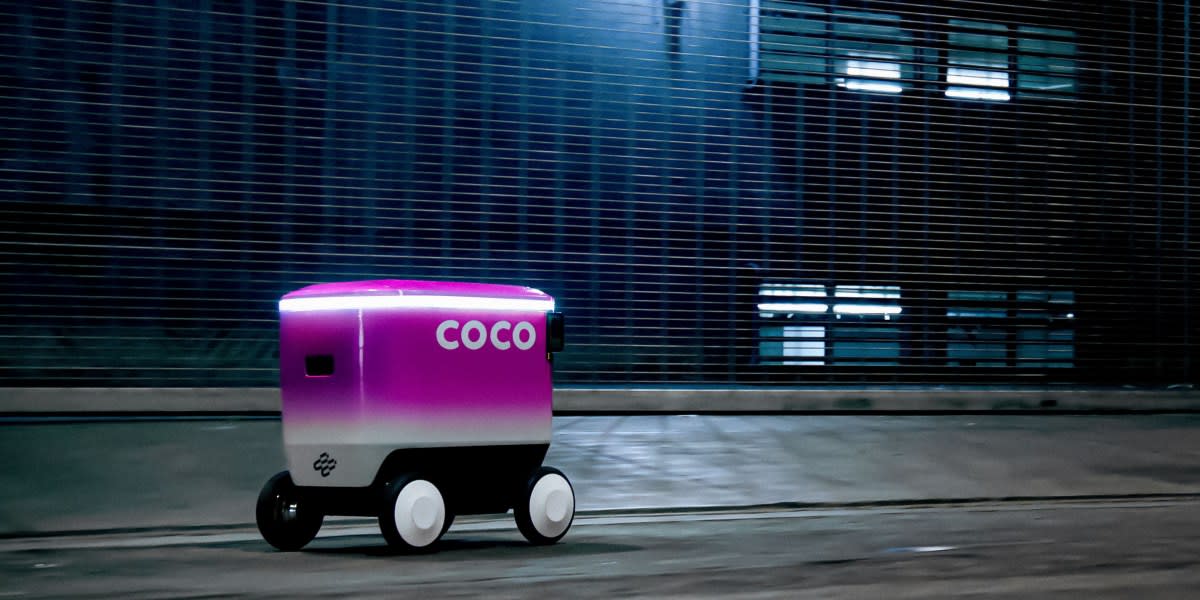
Coco Robotics now operates about 1,000 sidewalk robots delivering pizzas and groceries in Los Angeles, Chicago, Jersey City, Miami, and Helsinki. The robots have completed over half a million deliveries, but getting lost in urban canyons remained their biggest challenge.
"The best way we can do our job is by arriving exactly when we told you we were going to arrive," says Coco CEO Zach Rash. With Niantic's technology, the robots use their four cameras to recognize landmarks and navigate precisely, even when GPS goes haywire.
The system works because Niantic has images from a million hot spots worldwide, each captured thousands of times from different angles, times of day, and weather conditions. The AI learned to recognize places so well it can locate itself accurately even in areas with less data.
The Ripple Effect
This partnership shows how seemingly frivolous fun can build something genuinely useful. Those players chasing rare Pokémon created a digital map more detailed than anything built by professional surveyors. Now that crowdsourced knowledge is making autonomous delivery more reliable and bringing us closer to a future where robots handle last-mile logistics efficiently.
Other delivery robot companies use similar visual systems, but none have access to Niantic's treasure trove of real-world images. The technology that made Pikachu appear to dance on your sidewalk is the same tech helping robots deliver your dinner safely.
From gaming phenomenon to pizza delivery, that's quite an evolution for a smartphone app about catching cartoon creatures.
Based on reporting by MIT Technology Review
This story was written by BrightWire based on verified news reports.
Spread the positivity!
Share this good news with someone who needs it