Poland's Solar Boom Could Replace 40,000 Coal Jobs
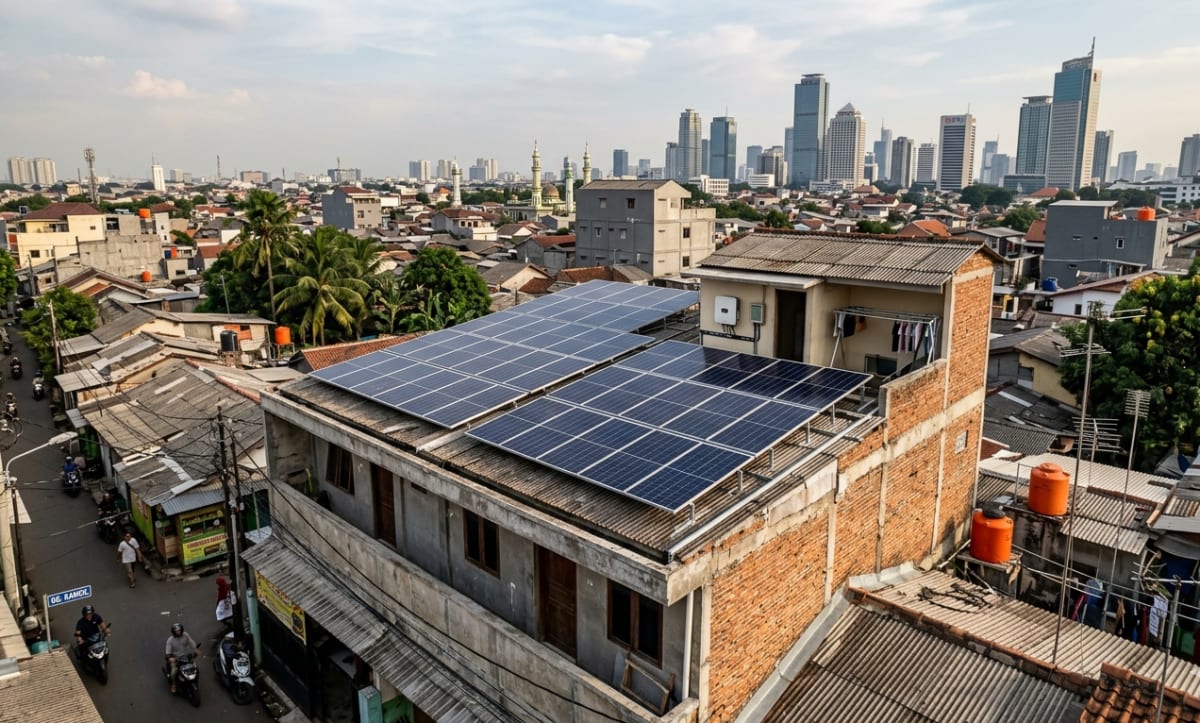
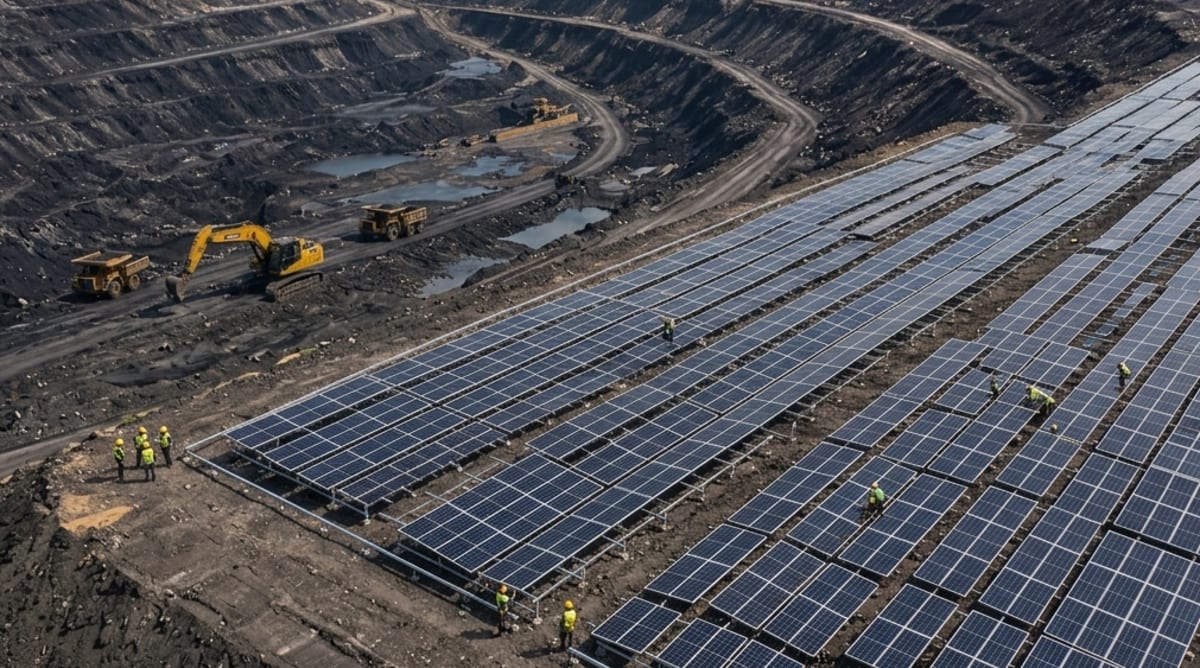
Poland's growing solar industry could maintain up to 40,000 jobs over the next 15 years, offering a lifeline to coal workers as the country transitions away from its largest electricity source. New research shows the shift doesn't mean job losses, just different work.
Poland is proving that going green doesn't have to mean going jobless.
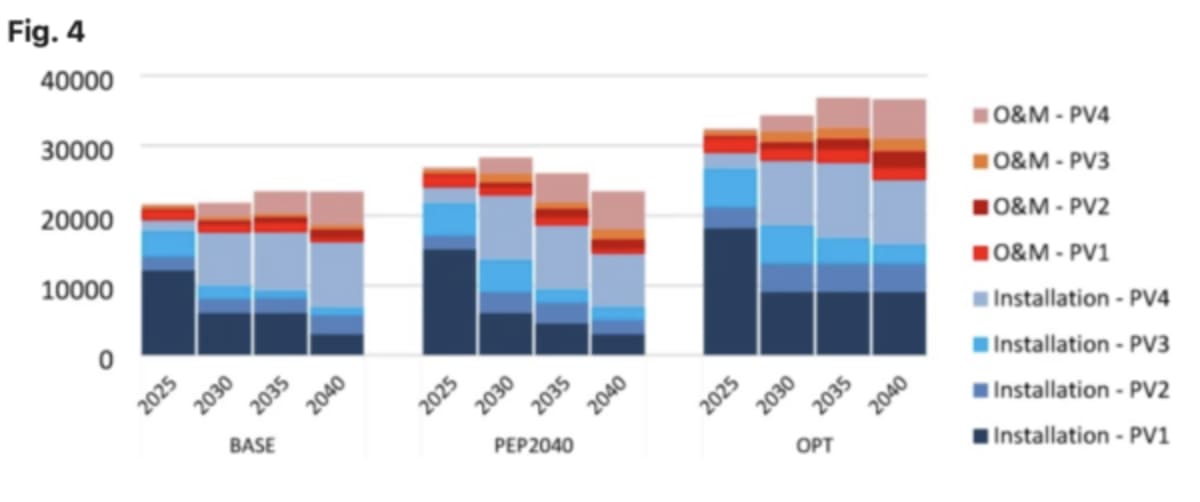
New research from AGH University of Krakow reveals that Poland's expanding solar industry could sustain between 20,000 and 40,000 jobs through 2040, depending on how aggressively the country pursues renewable energy. That's welcome news in a nation where coal still dominates electricity production and thousands of workers face uncertain futures.
The study, published in Scientific Reports, examined three different scenarios for Poland's solar market over the next 15 years. Under the most ambitious plan, the industry could support 35,000 to 40,000 workers, a significant boost from the baseline scenario of 20,000 jobs.
Lead researcher Łukasz Lach says this is the first time anyone has quantified the real employment potential of Poland's solar transition. Previous government plans relied on data from other countries, making it nearly impossible to predict what would actually happen to Polish workers.
The job landscape will shift as the industry matures. Early years will see more positions installing rooftop solar for homeowners, while later years will bring more large-scale solar farms and permanent maintenance jobs. That gradual transition gives workers time to retrain and adapt.
Poland added 3.6 gigawatts of solar capacity in 2025, bringing the country's total to 24.8 gigawatts. The momentum keeps building despite coal's continued dominance.
The Ripple Effect
The real employment impact could be even bigger. The research focused only on direct solar jobs, but economic ripple effects typically create an additional 33% to 100% more positions in supporting industries. That means the actual job creation could reach 80,000 positions or more.
For coal workers facing layoffs, solar offers a genuine alternative. The skills needed for installing and maintaining solar infrastructure overlap significantly with existing energy sector expertise, making the transition more realistic than switching to completely unrelated fields.
Lach warns that Poland still faces serious obstacles. The electricity grid is overloaded, causing delays and rejections for new solar projects. Simply installing more panels won't work anymore without massive investment in transmission infrastructure and energy storage solutions.
But the long-term outlook remains bright. High electricity prices, strong industrial demand for renewable power purchase agreements, and the urgent need to reduce coal dependence all point toward continued solar growth.
Poland's experience offers a template for other coal-dependent nations worried about job losses during energy transitions. The study proves that with proper planning, renewable energy doesn't destroy employment, it transforms it.
The country now has a roadmap showing exactly how many jobs each solar scenario would create, giving policymakers the data they need to make informed decisions. For the first time, Poland can plan its energy future based on its own economic reality, not foreign estimates.
As one energy sector shifts down and another ramps up, Polish workers are discovering they don't have to choose between their livelihoods and their country's environmental future.
More Images

Based on reporting by Regional: poland development (PL)
This story was written by BrightWire based on verified news reports.
Spread the positivity!
Share this good news with someone who needs it