Police Turn Teen Hackers Into Cybersecurity Pros
A UK program is helping teenage hackers redirect their tech skills toward legal careers instead of criminal records. More than 1,150 young people have gotten a second chance through one-on-one mentoring with police officers.
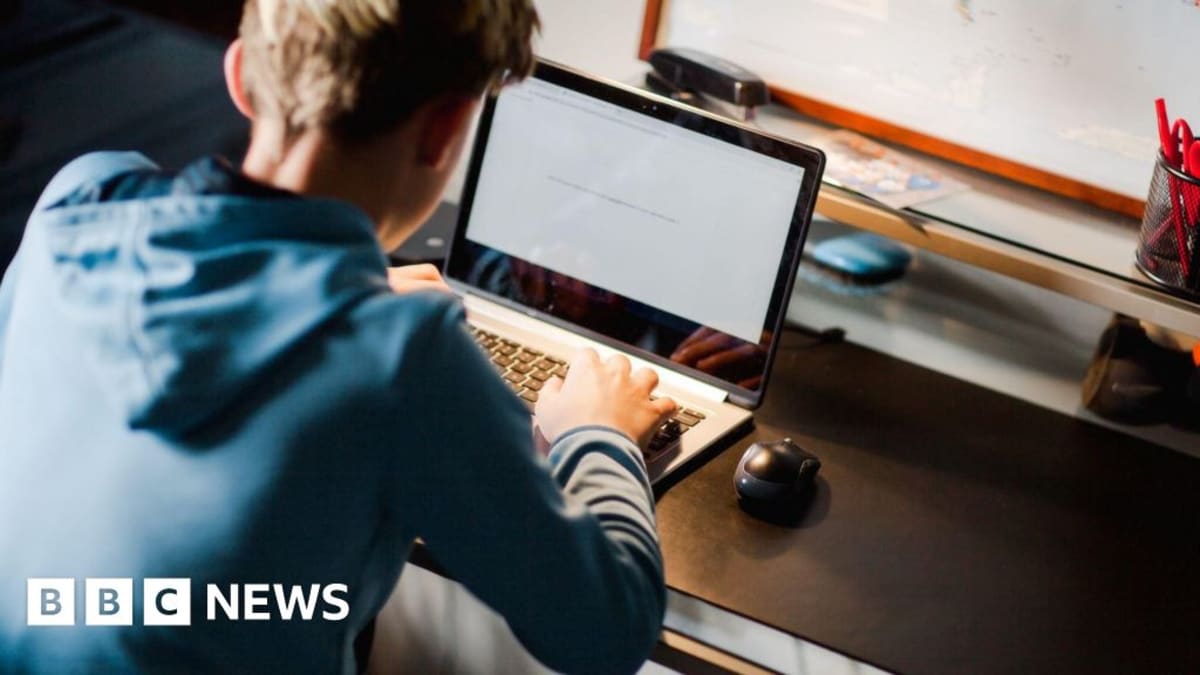
When 16-year-old Lucas hacked his school computers just to play games, he had no idea his curiosity could lead to serious legal trouble. His mother called the police, terrified her son might be heading down a dangerous path.
What happened next surprised them both. Instead of handcuffs, Lucas got a mentor.
PC Sam Cooper showed up at their rural Cumbria home as part of Cyber Choices, a nationwide program that works like rehab for young hackers. The officer didn't lecture Lucas about what he did wrong. Instead, he asked what fascinated him about computers and how those skills could become a real career.
"It's quite a sense of achievement when you've succeeded in doing something that two or three trained professionals have spent a lot of time trying to stop you doing," Lucas explained about his hacking motivation. That drive to solve puzzles is exactly what cybersecurity professionals need.
Cooper now visits Lucas regularly, checking that his computer experiments stay legal and planning a university visit to explore cybersecurity courses. He's had these conversations with dozens of teenagers, many of them autistic or neurodiverse kids who connect better with computers than people.
The program has grown dramatically because it's needed. In the last eight years, more than 1,150 cases have been referred to Cyber Choices, with nearly 600 coming just in the last three years. Young hackers have been linked to serious attacks on Transport for London, MGM Grand, and major retailers.
Paul Foster from the National Crime Agency says most young offenders don't start out wanting to become criminals. They're experimenting with technology and testing systems before getting pulled into online communities that encourage hacking.
Why This Inspires
The success stories show what's possible when we choose mentorship over punishment. Izak, now 21, went through the program at 15 after hacking his school computers to use Photoshop for graphic design. Today he works as a cybersecurity professional.
Lucas admits he would have kept pushing boundaries if he hadn't been caught and helped. The fear of that police officer knocking changed his perspective completely.
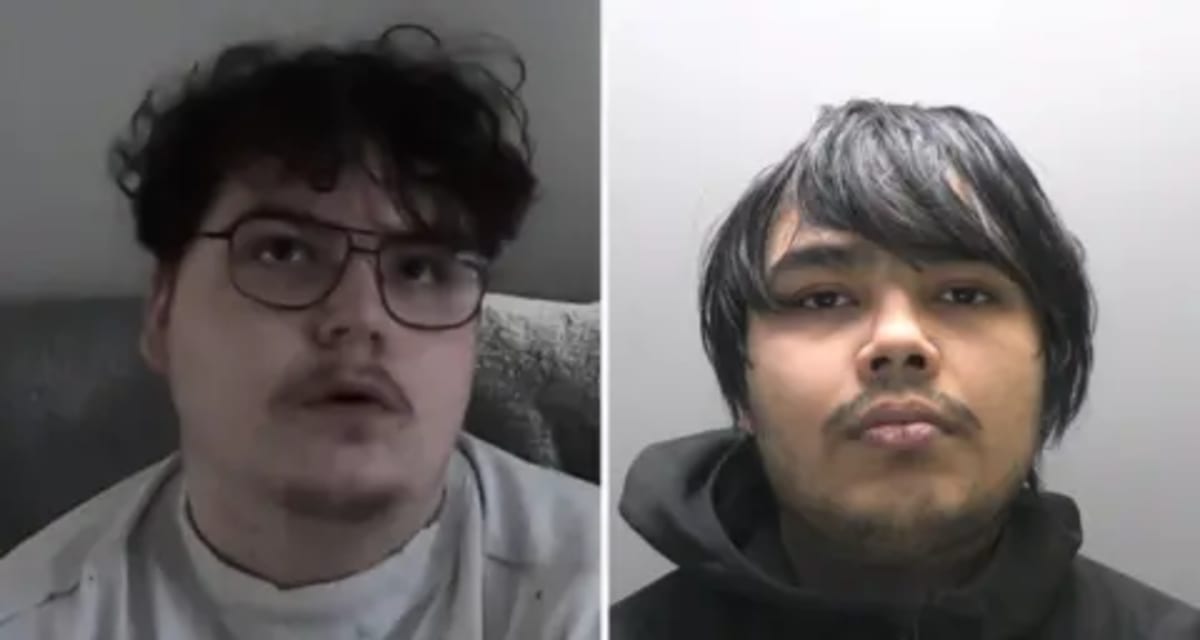
Not every teenager accepts help. Owen Flowers refused to engage with Cyber Choices when offered the chance at 16, and later received a five-and-a-half-year prison sentence for hacking Transport for London. Some critics worry that teaching cyber skills to young hackers might make them more dangerous.
Foster understands the concern but sees greater risk in doing nothing. "My fear is that if we didn't give them something like Cyber Choices, where would they get that input and where would that input take them?" he asks.
The program aims to intervene before curiosity and talent turn into serious crime, giving young people a path forward that uses their gifts legally.
For Lucas and hundreds like him, one conversation changed everything.
More Images


Based on reporting by BBC Technology
This story was written by BrightWire based on verified news reports.
Spread the positivity!
Share this good news with someone who needs it