Polio Survivor Brings Water to 64 Drought-Hit Villages
A man who refused to let polio define him just transformed water access for 64 villages in drought-stricken Maharashtra. His community-led approach saved millions and planted over 127,000 trees.
In Dahiwadi, Maharashtra, buying water wasn't just an expense. It was a way of life that drained village budgets and crushed hope year after year.
Abhay Todkar grew up here watching his neighbors struggle with empty wells and dry fields. Polio had affected his mobility as a child, but he carried one unshakable belief into adulthood: obstacles don't have to define your impact.
"I wanted to live a normal life," Abhay says. "I gave 100% in everything I did, whether it was sports or life."
That same determination eventually turned toward the drought that gripped his village. Dahiwadi sits in a region where rainfall barely registers, and water scarcity shaped every decision families made.
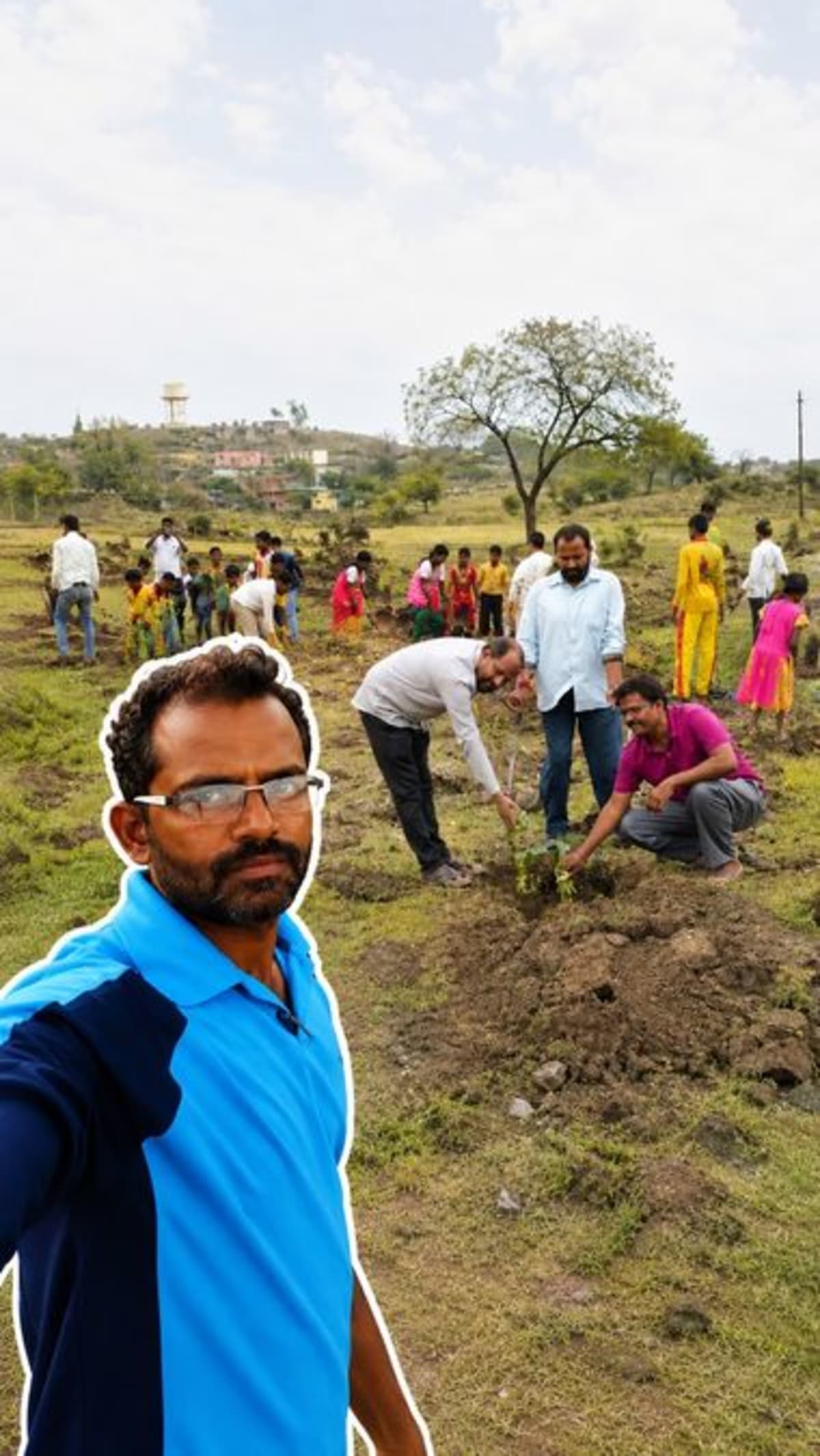
In 2015, Abhay gathered his community with a bold plan: build their own dam on the Manganga River. No government contracts, no waiting for outside help, just neighbors working together with their own hands and resources.
The dam changed everything. Dahiwadi stopped depending on purchased water, saving crores of rupees that had disappeared into tanker trucks every season.
Word spread fast. Nearby villages started asking how they could do the same thing.
The Ripple Effect
Between 2018 and 2024, Abhay's approach reached 64 villages across Maharashtra. Each community adapted his model of collective action, building their own water conservation structures and taking ownership of their water future.
But Abhay didn't stop at dams. He knew drought relief meant restoring the land itself, so tree planting became part of the mission. Over five years, communities planted approximately 127,000 trees alongside their water projects.
The transformation came from villagers themselves. They contributed labor, shared knowledge, and proved that local problems often have local solutions when people work together.
What started as one man's refusal to accept scarcity became a blueprint for community-led change across an entire region. Today, 64 villages manage their own water needs, their fields stay green longer, and their budgets stay intact.
From Dahiwadi to dozens of communities beyond, Abhay proved that the courage to start can spark a revolution.
Based on reporting by The Better India
This story was written by BrightWire based on verified news reports.
Spread the positivity!
Share this good news with someone who needs it

%2Ffile%2Fattachments%2Forphans%2FPhotoEssay-MemorialTsontso20_658775.jpg)