Polish Astronaut Captures Stunning Earth Views from Space
ESA astronaut Sławosz Uznański-Wiśniewski filmed breathtaking timelapse videos of Earth and the moon during his 20-day mission aboard the International Space Station. The Polish space traveler conducted 16 scientific experiments while sharing humanity's view from orbit.
📺 Watch the full story above
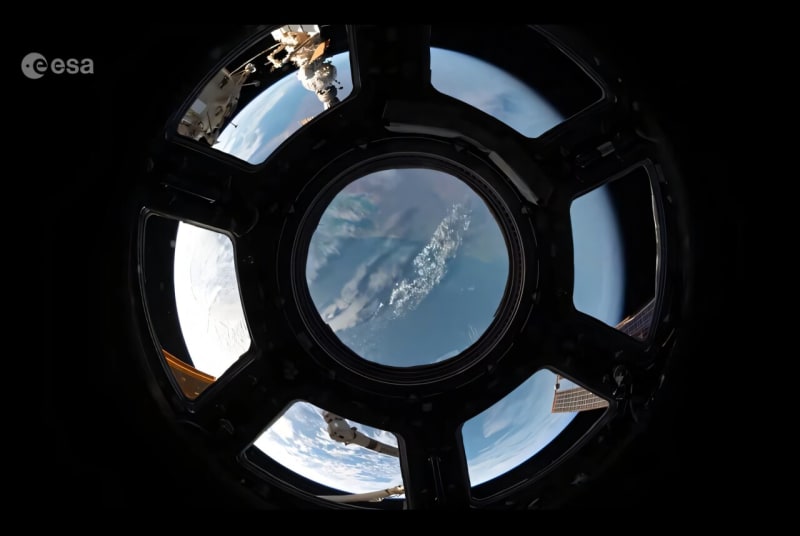
Imagine watching Earth spin below you through the most spectacular window in the universe. That's exactly what ESA project astronaut Sławosz Uznański-Wiśniewski did during his recent mission to the International Space Station, and he captured it all on camera for the world to see.
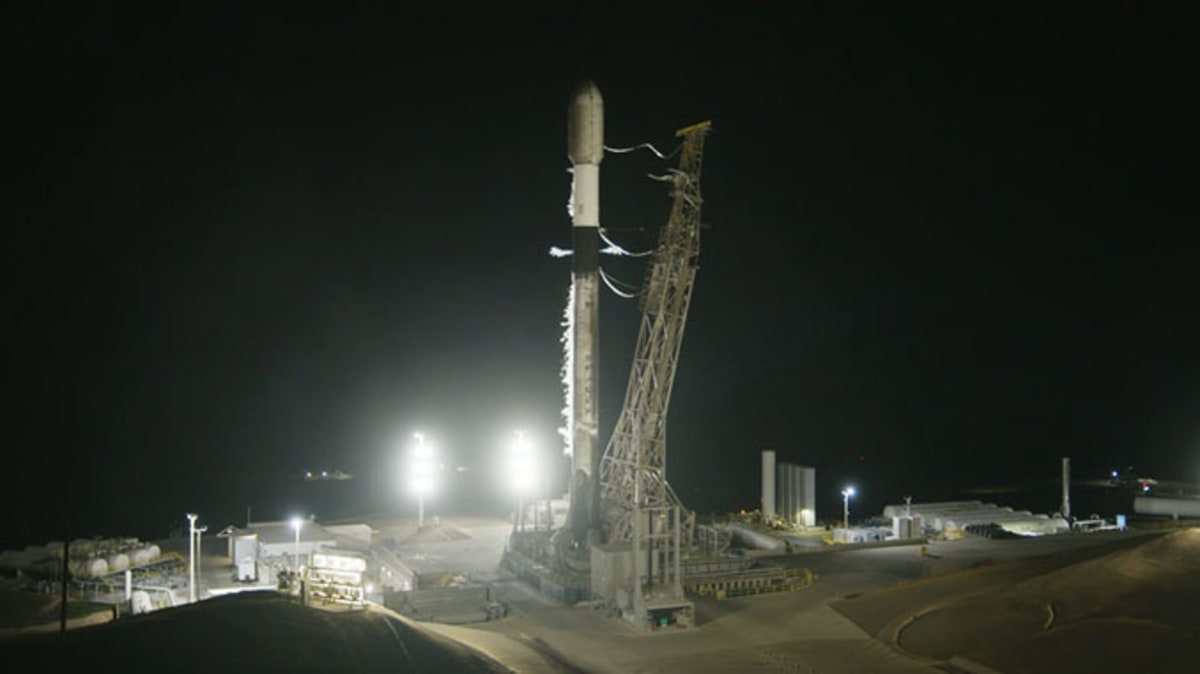
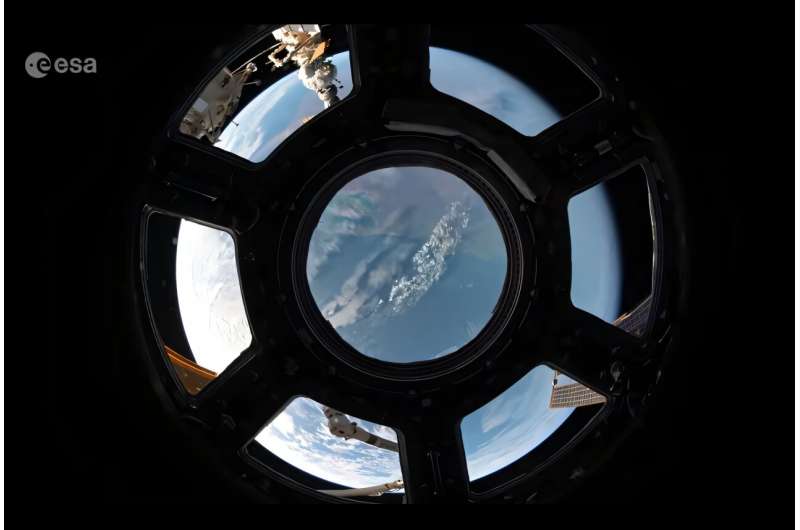
Sławosz spent 20 days aboard the ISS as part of Axiom Mission 4, nicknamed Ignis. Launched on June 25, 2025, aboard a SpaceX Dragon spacecraft, he filmed stunning timelapse videos from the Cupola, the space station's iconic observation module with seven windows offering 360-degree views of our planet.
But this wasn't just a sightseeing trip. The Polish astronaut stayed busy conducting 16 scientific experiments spanning human research, materials science, biology, biotechnology, and technology demonstrations. Thirteen of these experiments came from Polish institutions working with ESA, while three were ESA-led investigations.
The mission marked an important milestone as the second commercial human spaceflight for an ESA project astronaut. It shows how space exploration is becoming more accessible beyond traditional government programs, opening doors for more countries to contribute to space science.
Why This Inspires
These videos remind us that we all share one beautiful home floating in space. When astronauts look down at Earth from orbit, they often describe a profound shift in perspective, seeing no borders, just one interconnected planet.
Sławosz's mission proves that smaller nations can make big contributions to space exploration. Poland's participation in cutting-edge space research demonstrates how international cooperation pushes science forward while inspiring the next generation of scientists and engineers worldwide.
The experiments he conducted might seem abstract now, but they're solving real problems. Research in microgravity helps us understand everything from how diseases progress to how materials behave, knowledge that eventually improves life back on Earth.
As commercial spaceflight grows, more people from diverse backgrounds will get the chance to conduct research and share that cosmic perspective. The timelapse videos serve as a reminder that despite our daily challenges, we're living in an era when humans routinely live and work 250 miles above Earth, advancing knowledge for all of humanity.
More Images

Based on reporting by Phys.org
This story was written by BrightWire based on verified news reports.
Spread the positivity!
Share this good news with someone who needs it