Polish Team Finds Ancient Ship Graveyard Off Libya Coast
Archaeologists have discovered a 100-meter underwater "ship graveyard" off Libya's coast, revealing centuries of Mediterranean maritime history. After a 13-year pause due to civil war, the team returned to uncover remarkable insights into ancient trade routes.
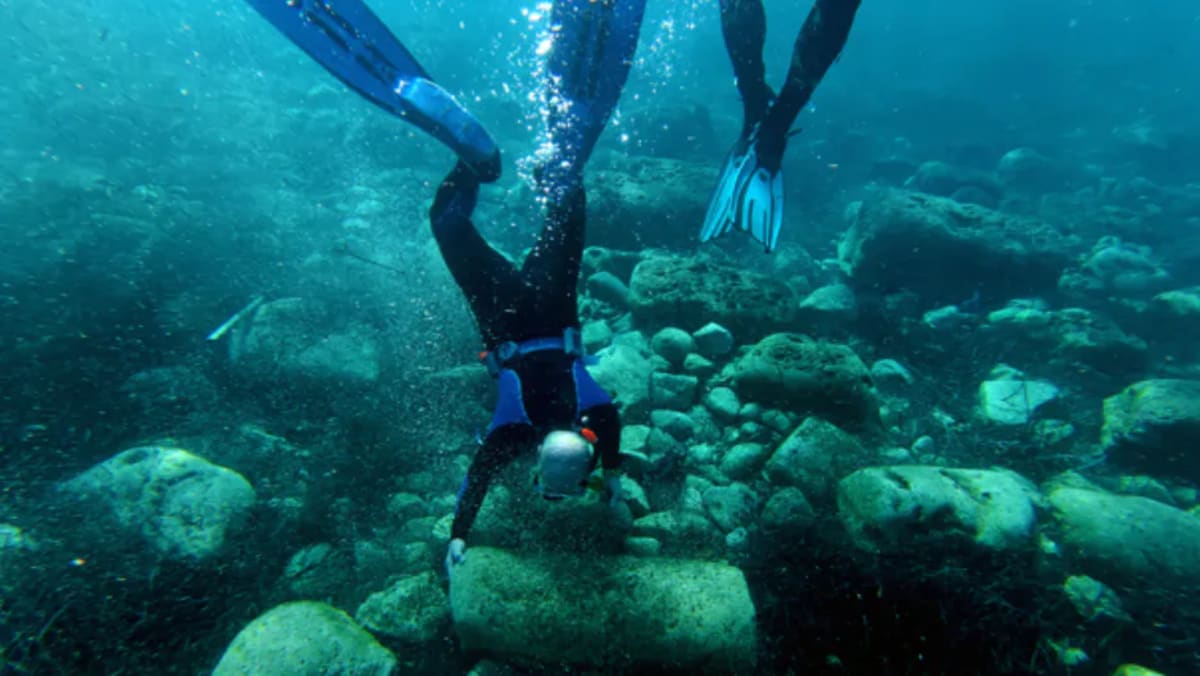
Polish archaeologists diving off the coast of ancient Ptolemais have discovered something remarkable: multiple shipwrecks spanning centuries, creating an underwater time capsule of Mediterranean trade and tragedy.
The team from the University of Warsaw found fragments of several ships, cargo containers called amphorae, bronze tools, and ancient anchors scattered across more than 100 meters of seabed. The discovery came during their first research season since 2023, when they finally returned after the Libyan civil war forced a 13-year break.
Dr. Piotr Jaworski, who leads the project, says the artifact distribution tells a clear story. "This was not the remains of a single ship," he explains. "Several vessels must have been wrecked here over time."
The site sits several kilometers east of where Ptolemais once thrived as a major Greek city, founded between the late fourth and third centuries BCE. Ships approaching from the east repeatedly met disaster in this same dangerous zone, creating layers of history on the ocean floor.
Among the most fascinating finds is a Roman balance weight shaped like a woman's head, crafted in bronze and filled with lead. The team also discovered what might be crystallized wine still preserved inside an ancient amphora, now undergoing laboratory analysis.
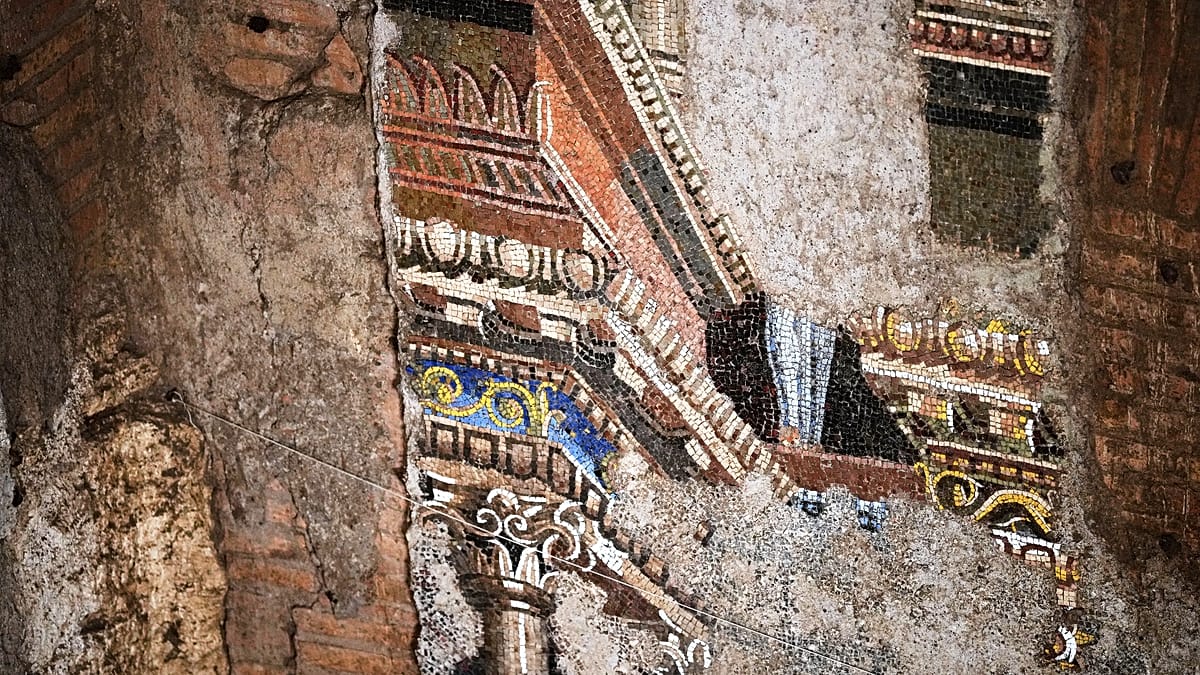
Rising sea levels and earthquakes over the centuries submerged parts of the ancient harbor, preserving roads, columns, and tools once used by ancient mariners. These environmental changes, while destructive at the time, created perfect conditions for archaeological preservation.
The Ripple Effect
The discovery does more than reveal ancient shipping disasters. It opens a window into how Mediterranean cultures traded goods like wine, olive oil, and grain across vast distances two thousand years ago.
Back on land, another team made their own surprise find: a previously unknown road built for wheeled transport leading up to the city's acropolis, 300 meters above sea level. They also uncovered what appear to be ancient watchtowers and a Roman milestone with Greek inscriptions dating to the third century CE.
The research shows what dedication can preserve, even through war and disruption. After waiting 13 years to return, these archaeologists are now piecing together stories that have waited centuries longer to be told.
Based on reporting by Google: archaeological discovery
This story was written by BrightWire based on verified news reports.
Spread the positivity!
Share this good news with someone who needs it