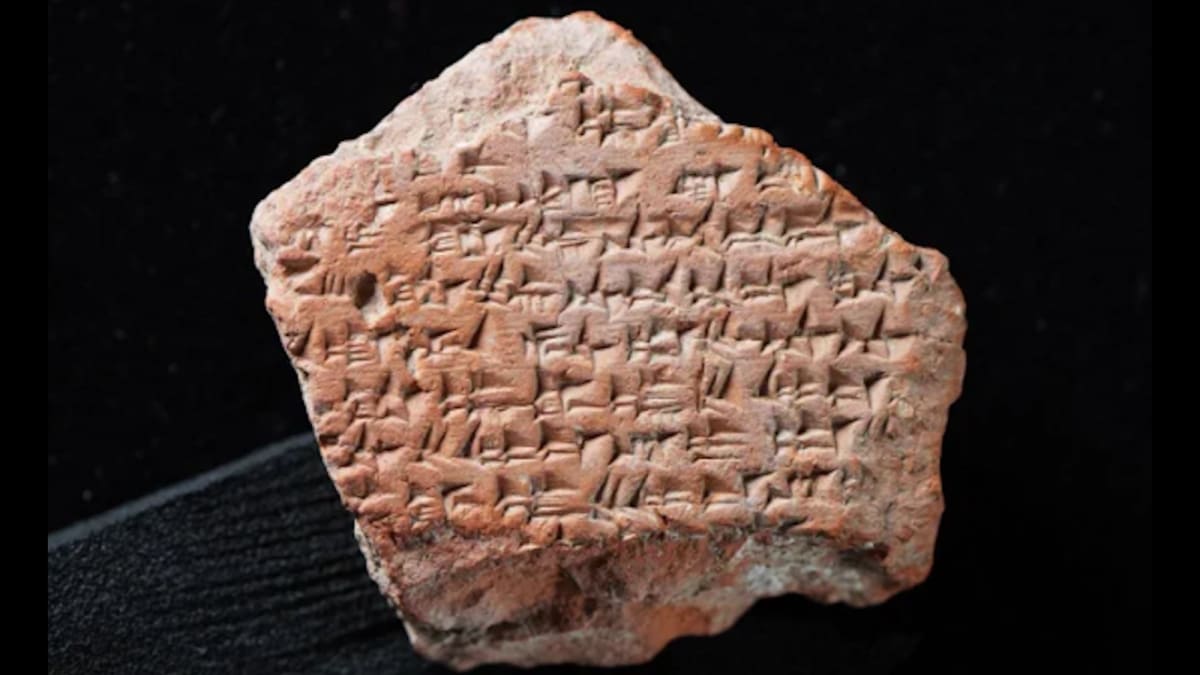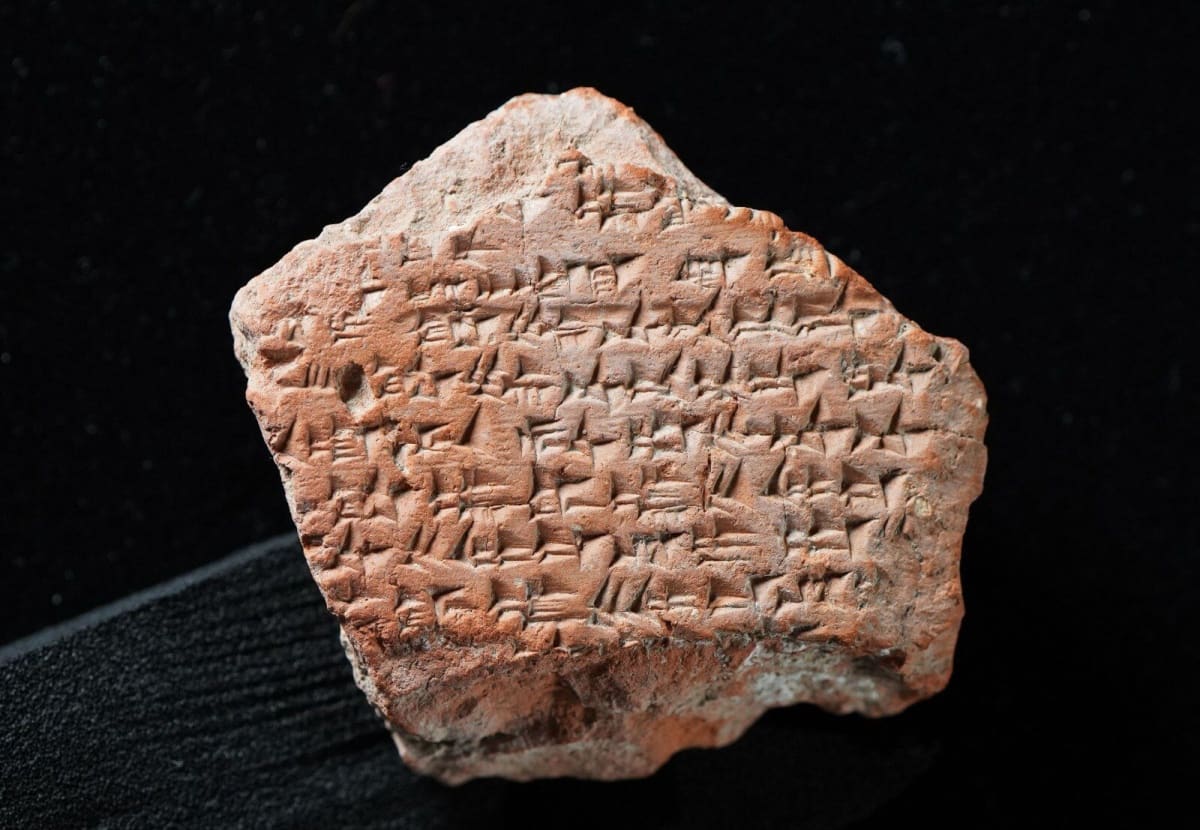
Pompeii Doctor ID'd 2,000 Years Later by Medical Tools
Advanced scanning technology revealed a physician's medical kit inside a plaster cast at Pompeii, solving a 60-year mystery about a victim who fled with his instruments during the 79 AD eruption. The discovery shows how professionals carried their life's work even in humanity's darkest moments.
A doctor who died fleeing Mount Vesuvius nearly 2,000 years ago has finally been identified, thanks to the medical instruments he clutched as he ran.
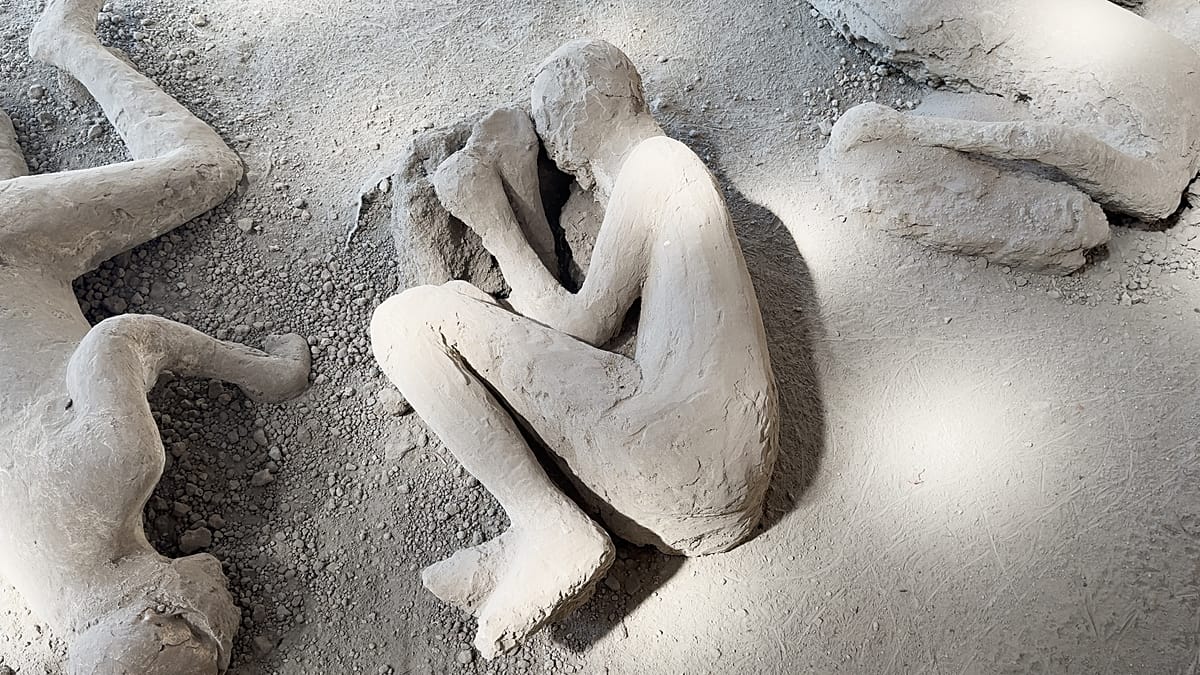
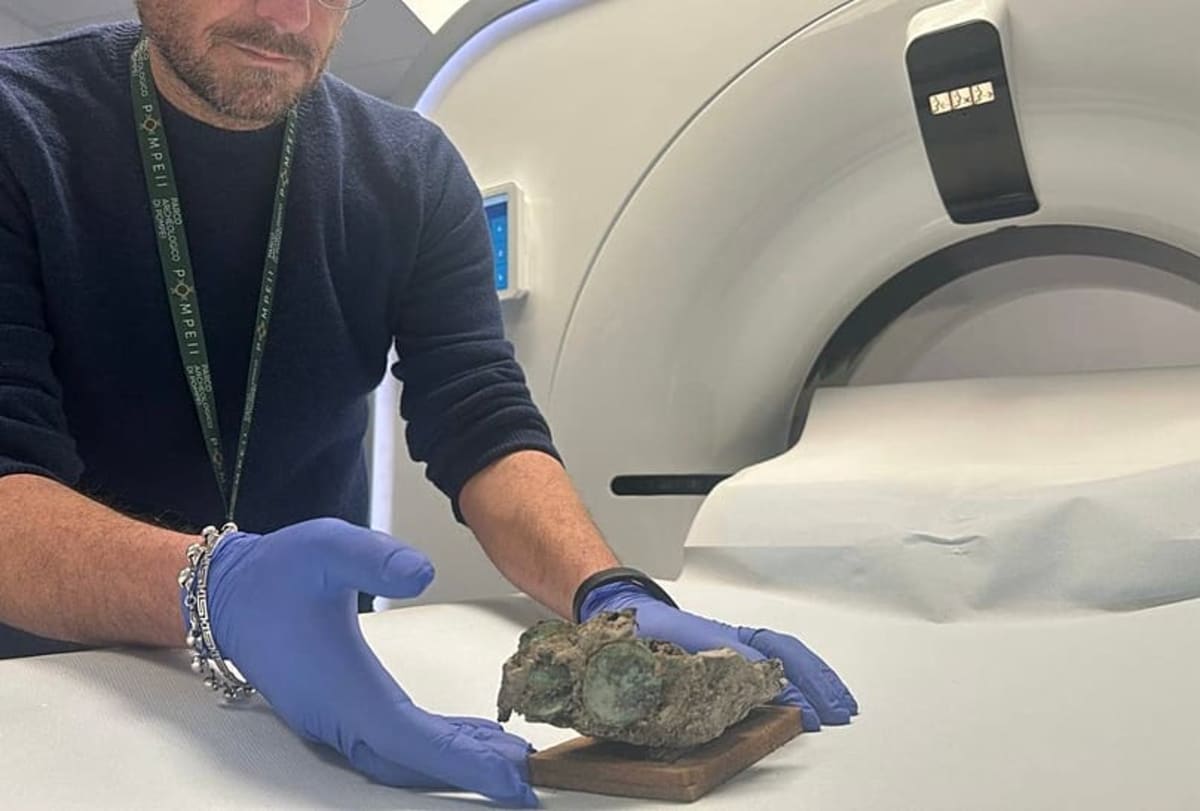
The breakthrough came from a plaster cast excavated in 1961 at Pompeii's Archaeological Park. Inside the cast, researchers discovered a small case containing surgical tools, a slate plate for preparing medicines, and coins that this ancient physician carried during his final moments.
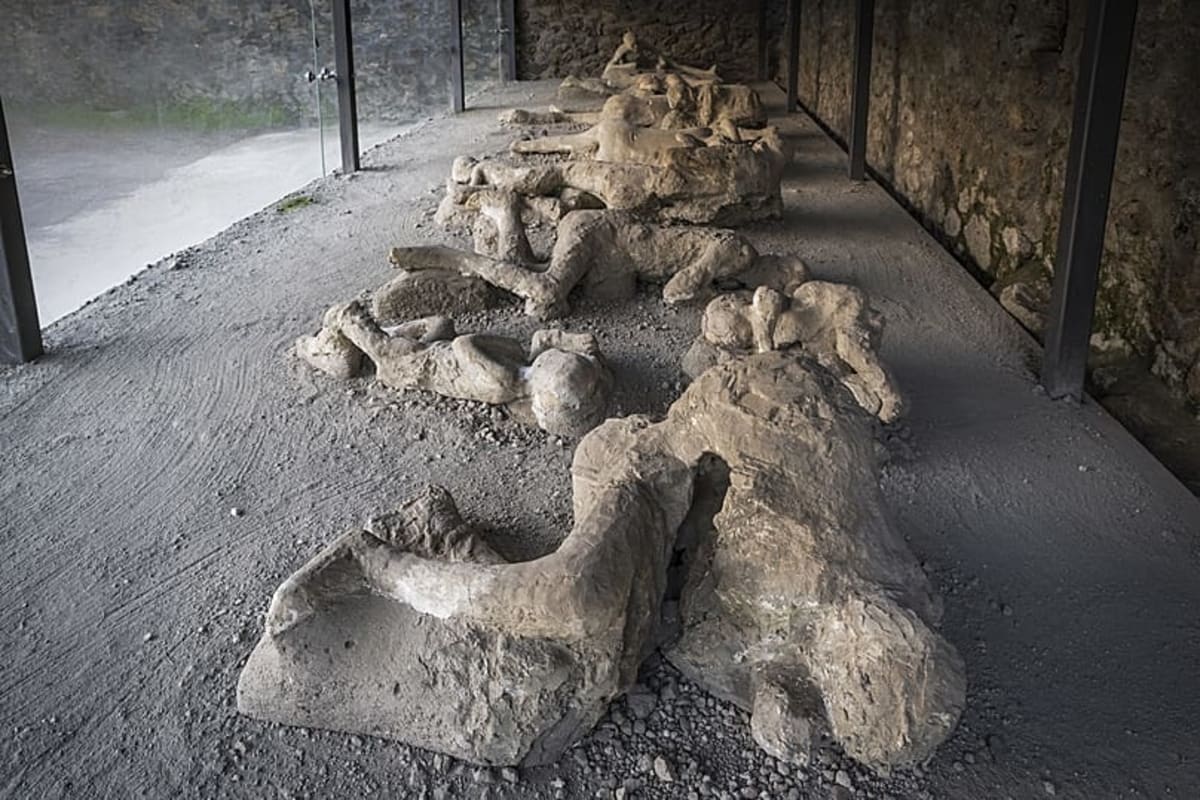
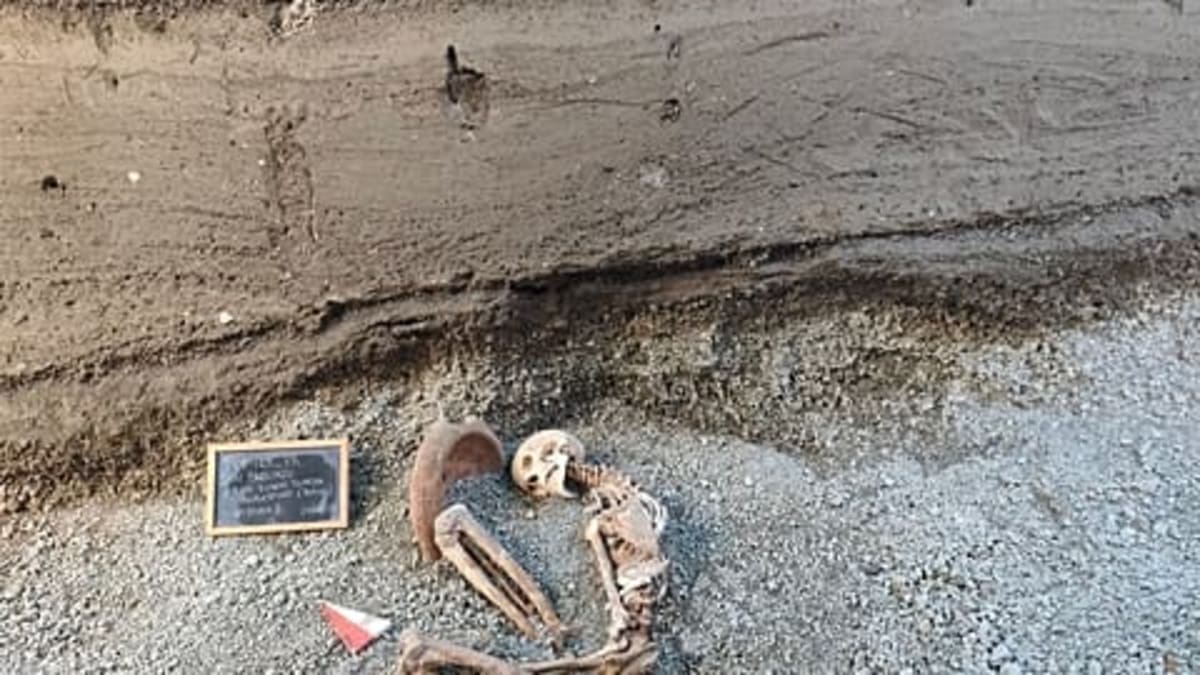
The area, called Orto dei Fuggiaschi, preserved the final moments of fourteen people caught in the pyroclastic cloud as they desperately tried to escape through Porta Nocera. For over 60 years, researchers didn't know who these victims were or what their stories might tell us.
Recent CT scans and AI-assisted 3D reconstructions changed everything. The technology allowed scientists to peer inside the fragile plaster without damaging it, revealing the sophisticated medical kit hidden within.
The small wooden box featured an advanced toothed-wheel locking mechanism to keep the precious instruments secure. Inside, metal surgical tools and a slate mixing board painted a clear picture of the man's profession.
Why This Inspires
This discovery reveals something beautiful about human nature. This doctor didn't grab gold or treasures as Mount Vesuvius erupted. He grabbed his medical instruments.
Park Director Gabriel Zuchtriegel believes the physician intended to rebuild his life elsewhere using his skills. But there's likely another reason he carried those tools: to help others who would need medical care after the disaster.
The research united archaeologists, radiologists, restorers, physical anthropologists, and digital specialists in an extraordinary collaboration. Together, they restored not just an artifact but an interrupted life story that waited 2,000 years to be told.
The project demonstrates how modern technology can unlock ancient mysteries while respecting fragile historical treasures. The same CT and AI techniques that helped identify this physician open new possibilities for studying hundreds of other Pompeii casts without damaging them.
This physician lived in an era without modern medicine, yet he embodied the same dedication we celebrate in healthcare workers today.
His final act teaches us that even facing unimaginable disaster, some people's first instinct is to ensure they can continue serving others.
More Images

Based on reporting by Euronews
This story was written by BrightWire based on verified news reports.
Spread the positivity!
Share this good news with someone who needs it