Pond Organism Rewrites DNA Rules Scientists Thought Fixed
A microscopic creature from an Oxford pond uses genetic code in a way never seen before, turning biology's universal "stop signs" into working parts. The accidental discovery shows nature is far more creative than we thought.
Scientists testing new DNA technology stumbled upon a tiny organism that breaks one of biology's most fundamental rules, proving that life still has surprises waiting in the most unexpected places.
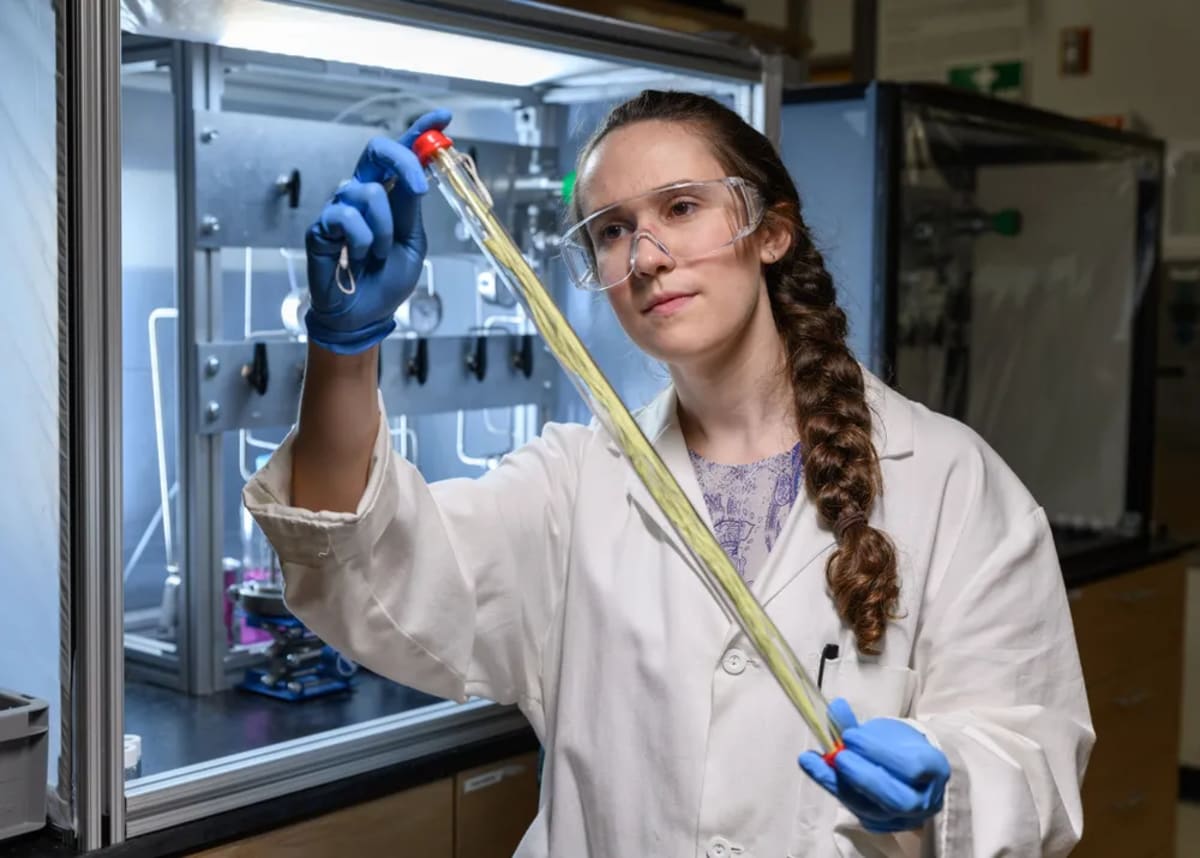
Dr. Jamie McGowan at the Earlham Institute was simply testing whether his team could read DNA from a single cell. He collected a water sample from a pond at Oxford University Parks and got to work. What he found wasn't just a successful test. It was a genetic outlier that challenges what biology textbooks say is universal.
The organism, a previously unknown species called Oligohymenophorea sp. PL0344, reads its DNA instructions differently than nearly every other living thing on Earth. In most organisms, three genetic "stop signs" tell cells when to end protein construction. This pond dweller rewrote two of those signals to mean something completely different.
"It's sheer luck we chose this protist to test our sequencing pipeline," McGowan said. "It just shows what's out there, highlighting just how little we know about the genetics of protists."
The discovery, published in PLOS Genetics, revealed that stop codons TAA and TAG no longer function as stop signals in this organism. Instead, TAA now codes for the amino acid lysine, while TAG codes for glutamic acid. Scientists had never seen these two signals split apart this way before.
This matters because the genetic code was thought to be nearly universal across all life. When rare variations do occur, TAA and TAG always change together and mean the same thing. This organism broke that pattern completely.
Why This Inspires
The discovery happened because scientists were looking at the right place at the right time. McGowan's team wasn't hunting for genetic oddities. They were testing technology on whatever happened to be swimming in a local pond.
That accidental success points to something hopeful. Ciliates, the group this organism belongs to, are common in watery environments everywhere. If one pond sample can reveal something this surprising, imagine what else might be waiting in puddles, lakes, and streams around the world.
Scientists even try to engineer new genetic codes in laboratories, but nature has already been experimenting for billions of years. The solutions are already out there, living quietly in environments we walk past every day.
The finding also suggests that life's instruction manual is more flexible than anyone expected. What seemed like fixed rules might actually be guidelines that nature bends, breaks, and rewrites when it finds a better way.
Based on reporting by Google: scientific discovery
This story was written by BrightWire based on verified news reports.
Spread the positivity!
Share this good news with someone who needs it