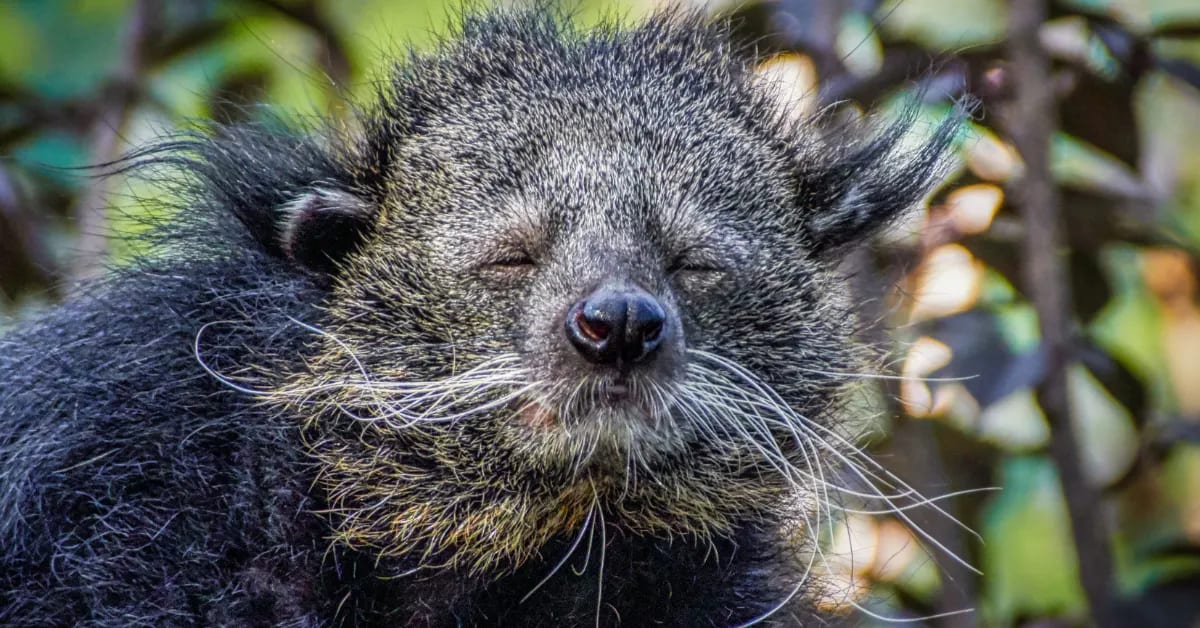
Popcorn-Scented 'Bearcats' Get New Hope Against Extinction
The binturong, a peculiar mammal that smells like buttered popcorn and looks like a raccoon from a fantasy film, is getting a lifeline from conservationists fighting wildlife trafficking. Rangers equipped by Flora & Fauna are working to save these vulnerable creatures before they vanish forever.
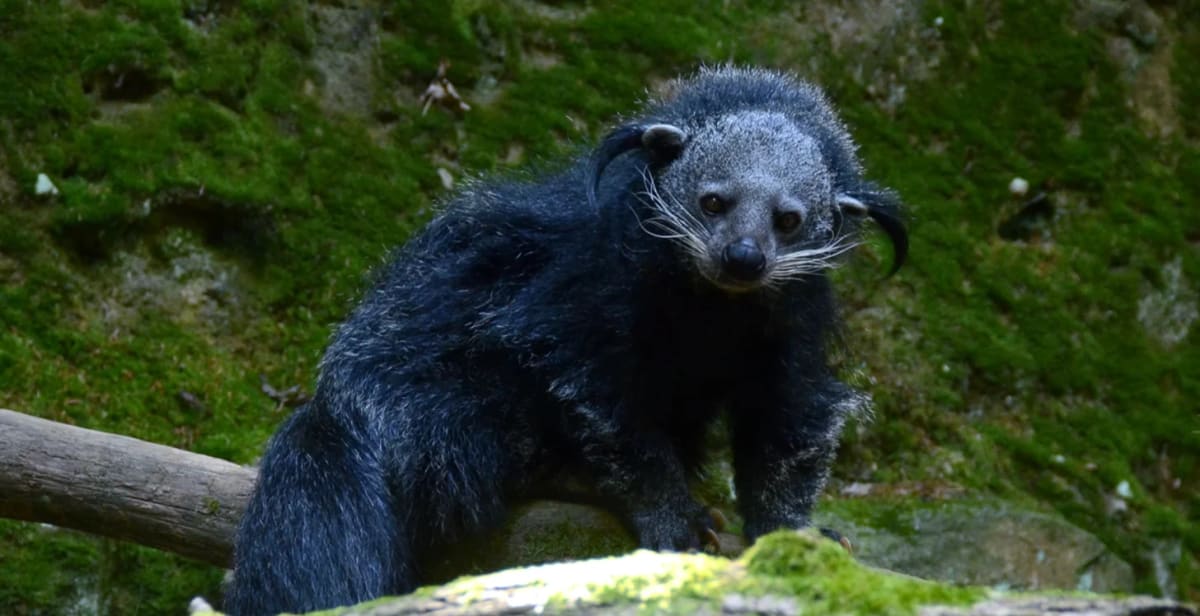
Imagine a creature that looks like it stepped out of a Jim Henson movie, uses its tail like a fifth hand, and somehow smells exactly like buttered popcorn at the movies.
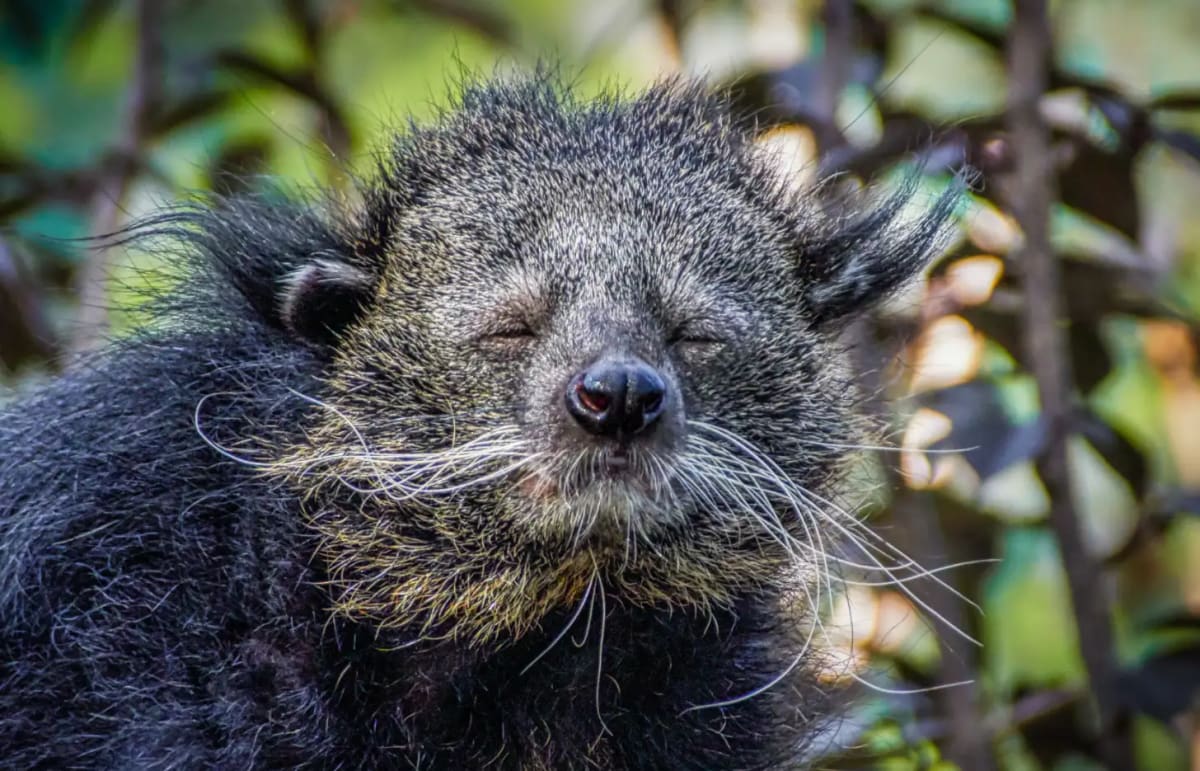
Meet the binturong, a fascinating mammal that's neither bear nor cat despite its "bearcat" nickname. These whiskered climbers belong to their own unique genus, the only species in Arctictis, and they're disappearing from Southeast Asian forests at an alarming rate.
The popcorn smell isn't a cute exaggeration. Scientists discovered that binturong urine contains 2-AP, the exact same chemical that gives popcorn its signature scent during popping. They use this distinctive smell to mark their territory as they navigate tropical forests in Indonesia, Malaysia, and Thailand.
Binturongs are one of only two carnivores on Earth with prehensile tails that can grasp branches like a monkey's. Females can weigh up to 50 pounds, more than double their male counterparts, making them one of nature's rare examples of reverse size differences between sexes.
These quirky mammals play a crucial role in their ecosystems, eating everything from fish to insects while spreading seeds that help forests regenerate. But their striking appearance and unusual charm have made them targets for exotic pet traders, causing populations to plummet over the past 30 years.
Flora & Fauna, a conservation nonprofit backed by David Attenborough, is fighting back with a straightforward solution. They're equipping forest rangers with boots, raincoats, and rucksacks so patrols can continue in any conditions, creating a constant presence that deters poachers.
The Ripple Effect
Flora & Fauna has proven this approach works. When they helped establish the International Gorilla Conservation Program in 1991, only a few hundred mountain gorillas survived. Today, over 1,000 thrive in the wild thanks to dedicated ranger patrols using similar methods.
The organization is now applying these same tried-and-true strategies to binturong protection across Southeast Asia. Their teams know these forests intimately and understand what it takes to stop wildlife trafficking at its source.
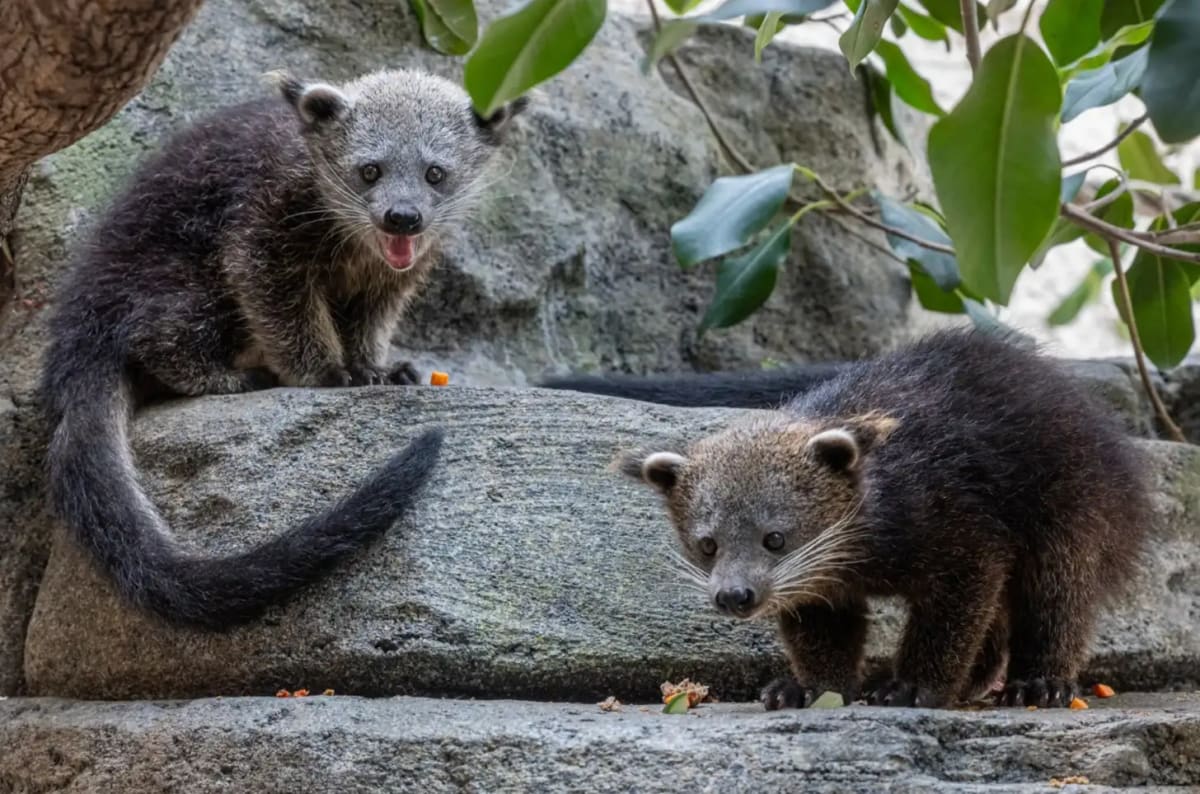
Hope arrived in March when the San Diego Zoo welcomed twin binturong babies, nicknamed Pulong and Tau, for the first time in 26 years. The brothers are now exploring trees, snorting and chuckling when happy, and learning classic binturong behaviors from their parents.
Behind the scenes, mother Nettle keeps busy with round-the-clock care while the twins grow stronger each day. Rangers on the ground and zoos worldwide are teaming up to ensure these popcorn-scented oddities have a future.
More Images

Based on reporting by Good Good Good
This story was written by BrightWire based on verified news reports.
Spread the positivity!
Share this good news with someone who needs it


