Pope and AI Founder Team Up on Tech Ethics
Pope Leo XIV is releasing his first major document on artificial intelligence with help from an AI company founder who's standing up for ethical tech. The Vatican's new focus brings moral leadership to one of humanity's biggest questions.
When the leader of over a billion Catholics joins forces with a tech founder fighting for AI safety, the world takes notice.
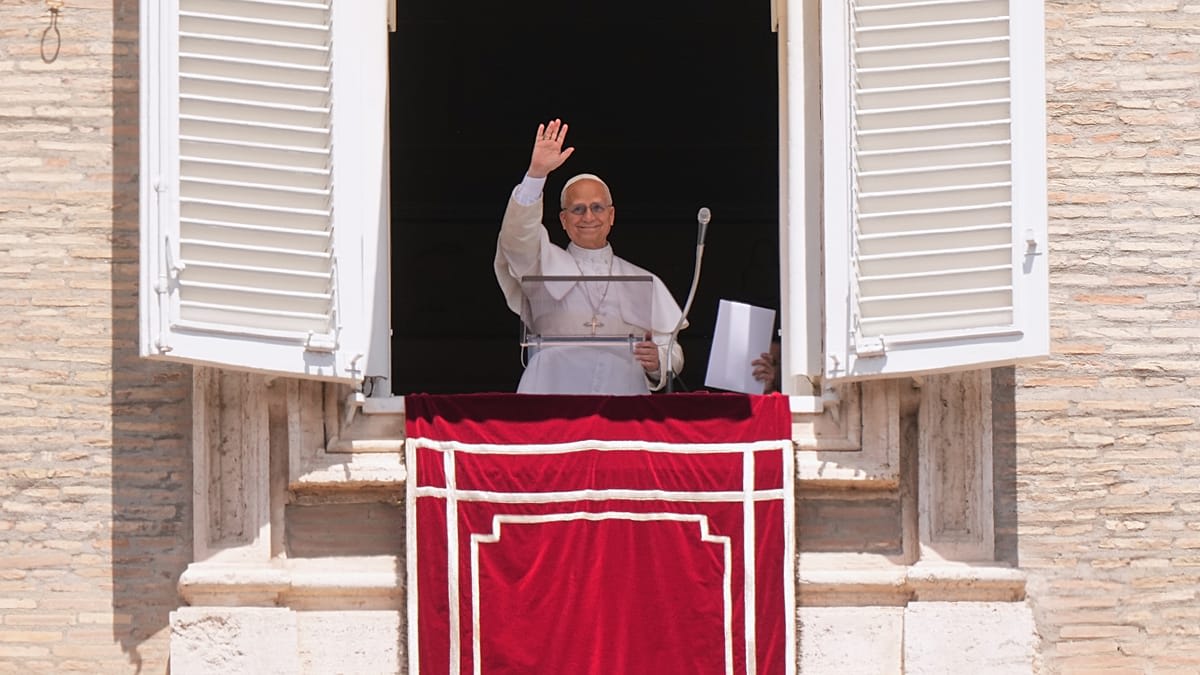
Pope Leo XIV will present his first encyclical on May 25 at the Vatican, addressing how artificial intelligence impacts human dignity and work. Christopher Olah, co-founder of AI company Anthropic, will attend the historic event.
The timing matters. Anthropic bills itself as the AI company that puts safety first. In February, the company faced major penalties from the Trump administration for refusing to give the US military unrestricted access to its AI technology. Anthropic is now suing the government, arguing it's being punished for trying to keep ethical limits on how its technology gets used.
The Vatican document, reportedly titled "Magnifica Humanitas" or "Magnificent Humanity," will explore AI through the lens of Catholic social teaching. It focuses on labor rights, justice, and protecting human dignity as machines reshape workplaces and daily life.
Pope Leo has made AI a priority since becoming Pope. He's particularly worried about AI in warfare and has called for careful monitoring of the technology. On May 16, he approved creating a new Vatican commission on artificial intelligence to coordinate policy across church institutions.
The commission includes representatives from seven Vatican bodies, including the Dicastery for the Doctrine of the Faith and the Pontifical Academy of Sciences. Their job is to align AI projects and set internal policies for how the Holy See uses the technology.
This builds on groundwork laid by Pope Francis, who spoke to G7 leaders about AI ethics in June 2024. Vatican officials have held private talks with executives from Google, Microsoft, and Cisco on the same topics.
The Catholic Church already has internal AI guidelines that took effect in January 2025. They require disclosure of AI-generated content, ban AI uses that contradict church values, and created a five-member team to enforce the rules.
Why This Inspires
In a world racing to adopt AI without always asking hard questions, religious and ethical voices offer something technology alone can't provide: a framework for protecting human dignity. When a major faith leader partners with a tech founder willing to face government penalties for his principles, it shows that progress and ethics don't have to be opposites.
The Vatican bringing moral authority to AI discussions reminds us that innovation works best when guided by timeless human values.
More Images
Based on reporting by Euronews
This story was written by BrightWire based on verified news reports.
Spread the positivity!
Share this good news with someone who needs it