Portugal Building Atlantic Spaceport for 2028 Launch
A quiet island in the Azores is becoming Europe's newest rocket launch site, complete with homegrown satellites and reusable space capsules. Portugal's space industry now employs 2,000 engineers and could send its first satellite into orbit by 2030.
Portugal is turning a sleepy Atlantic island into a launchpad for Europe's space future.
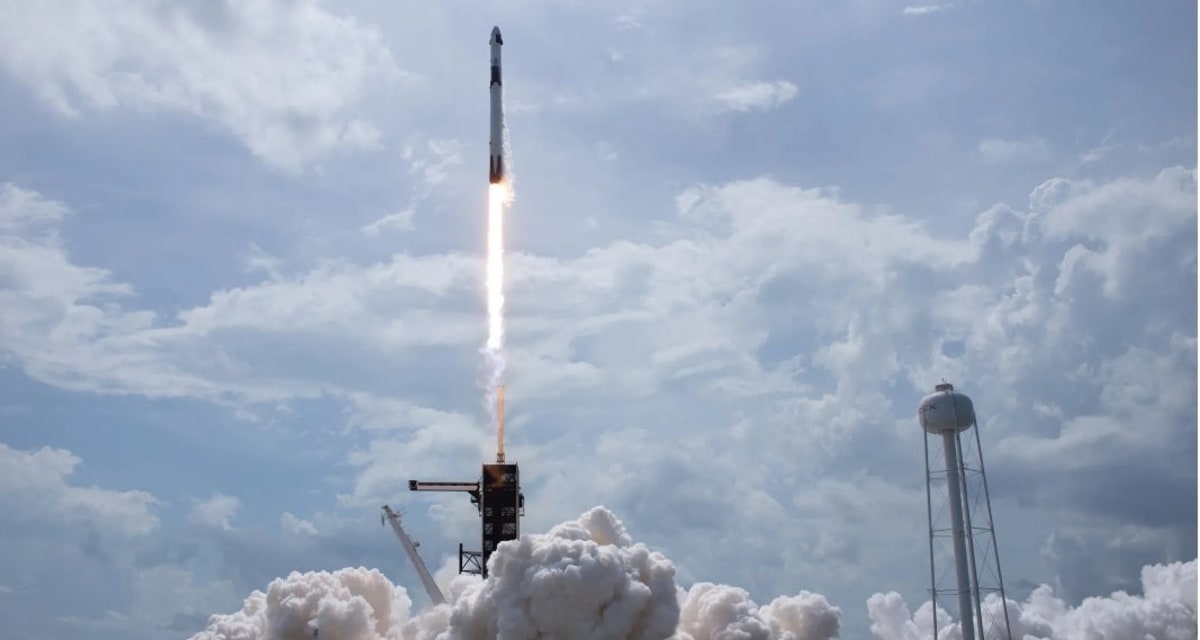
The country is building a spaceport on Santa Maria in the Azores, where rockets could launch as early as 2030. A European spaceplane is already scheduled to land there in 2028, touching down on parachutes beside a World War II runway that sits mostly unused today.
"Portugal has modernized considerably over the past 20 years," says Ricardo Conde, president of the Portuguese Space Agency founded in 2019. "Our universities produce outstanding engineers."
Those engineers are already hard at work. About 80 companies now employ 2,000 people across Portugal's space industry, generating $232 million last year alone.
The Santa Maria spaceport won't rival massive facilities like Cape Canaveral. Instead, it offers something Europe desperately needs: a cost-effective launch site for smaller satellites within EU borders. Only 35 people will staff the facility once complete, keeping operations lean and affordable.
The remote Atlantic location provides a crucial safety advantage. Spacecraft can land in the ocean without risking populated areas, making it ideal for testing reusable technology.
The Ripple Effect
Portugal isn't just building infrastructure. Three research centers are developing compact satellites for fighting wildfires, monitoring oceans, and improving communications.
CEiiA, a consortium in Porto, entered the space sector in 2018 and is already planning to multiply its production capacity by four or five times. A new research facility near Guimaraes will partner with the local university to build high-resolution satellites.
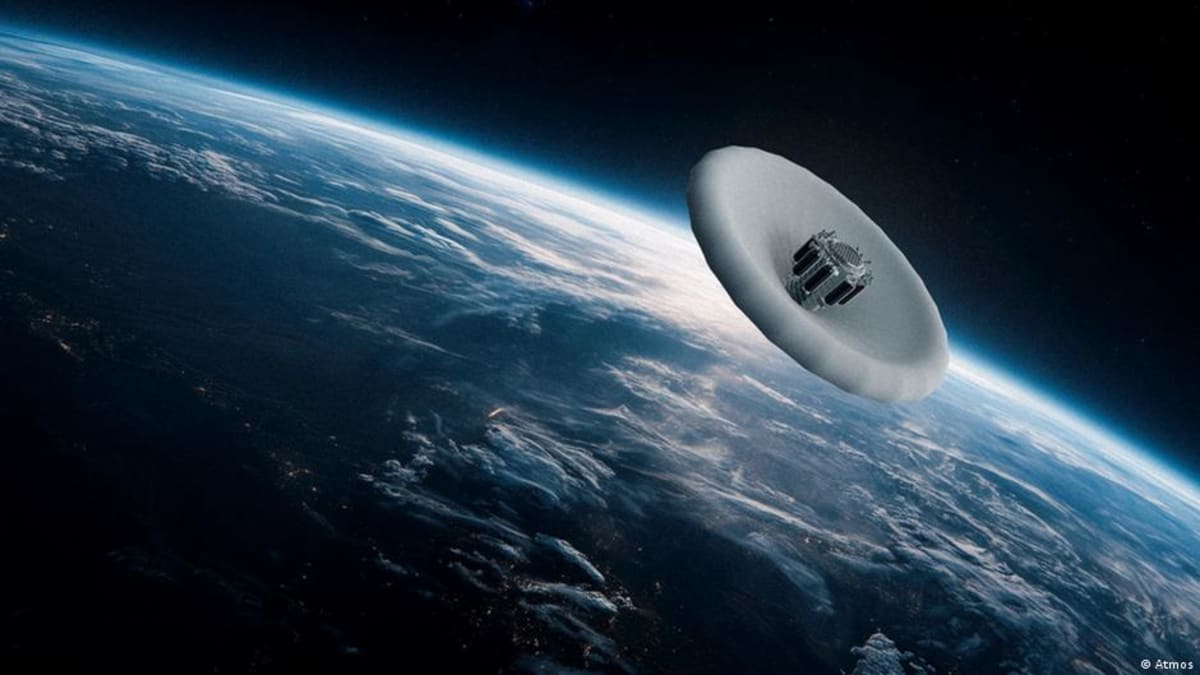
German logistics firm ATMOS Space Cargo, co-founded by Portuguese engineer Marta Oliveira, has already won approval for the EU's first spacecraft splashdown later this year. She calls her venture "the FedEx of space," using reusable capsules to deliver satellites at lower costs.
Spaceport operator Bruno Carvalho hopes the project will revive the local economy. "Maybe we can bring back young people who have left the island," he says.
The progress shows how strategic location, skilled workers, and European cooperation can launch a country into the space age in less than a decade.
Based on reporting by DW News
This story was written by BrightWire based on verified news reports.
Spread the positivity!
Share this good news with someone who needs it