Positive Climate Messages Boost Action by 25%
New research reveals that framing environmental actions positively—like "eat more plants" instead of "eat less meat"—makes people significantly more likely to act and feel happier about it. The simple messaging shift could transform how we talk about climate solutions.
What if fighting climate change wasn't about sacrifice, but about adding good things to your life?
A groundbreaking study from the University of British Columbia found that how we talk about climate action dramatically changes whether people actually do it. When researchers framed environmental behaviors positively, people were significantly more likely to take action and expected to feel happier doing it.
The team surveyed nearly 1,550 people across two studies, presenting 15 environmental actions in two different ways. Half the participants saw messages like "increase your use of reusable products that last a long time." The other half got the same idea framed negatively: "decrease your use of single use products that are often thrown away."
The results were striking. People consistently rated themselves more likely to take action when behaviors were framed as "do more good" rather than "do less bad." They also expected these positively framed actions would make them happier.
"I think a lot of people are overwhelmed with the idea that they need to cut back on everything," said lead researcher Jade Radke, a Ph.D. student at UBC. "They need to eat less meat and they need to shop less and they need to drive less and then they're sort of left to figure out what they're supposed to do instead."
The study found one interesting exception: driving. When asked about driving less versus carpooling more, the positive framing didn't boost enthusiasm. Radke suspects people simply don't enjoy driving enough for "more driving with others" to sound appealing.
The Ripple Effect
This research could reshape how environmental organizations, governments, and advocates communicate climate solutions. Instead of asking people to give things up, the message becomes about gaining healthier, happier habits.
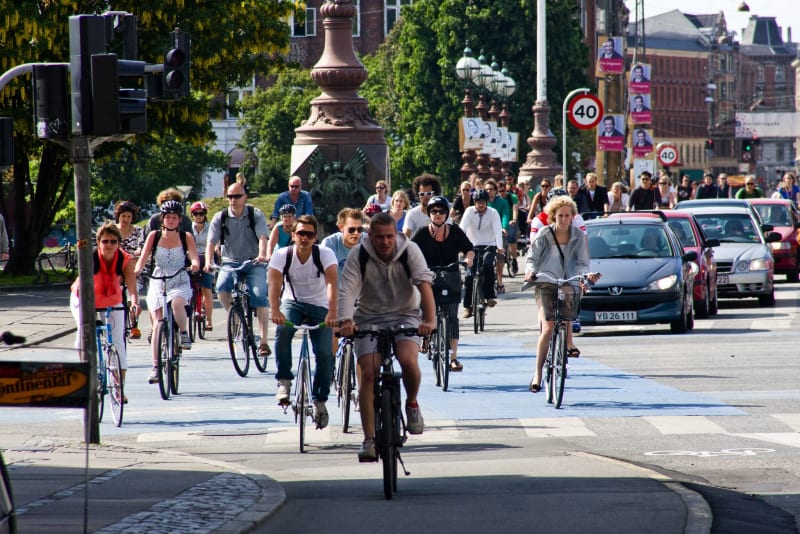
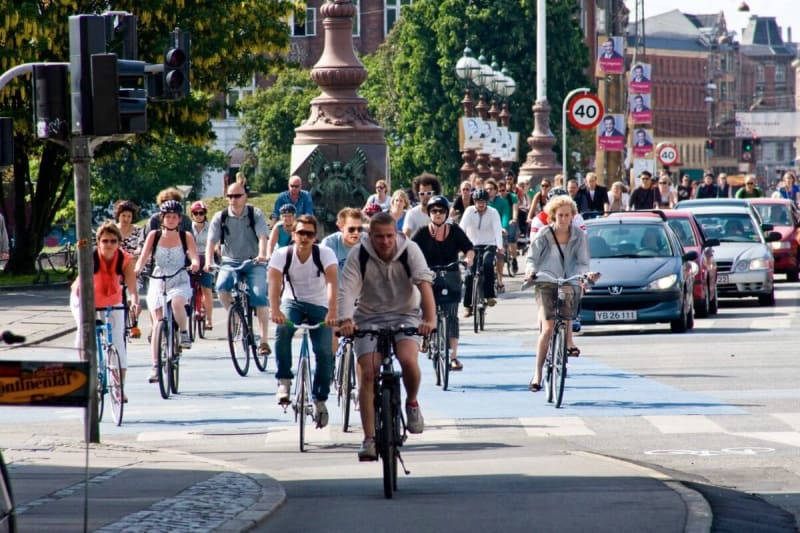
Eating more plants has been shown to boost happiness and health. Walking and biking more often improves fitness and mood. Using reusable products saves money over time. These aren't sacrifices but genuine improvements to daily life.
The shift is subtle but powerful. Clear, actionable alternatives make it easier for people to engage with climate action instead of feeling guilty or overwhelmed.
"My main focus is to really give people tangible ways that they can make a difference while adding to their lives instead of just taking away from it," Radke said.
Small changes in how we talk about climate action could unlock millions of people ready to make a difference.
More Images



Based on reporting by Mongabay
This story was written by BrightWire based on verified news reports.
Spread the positivity!
Share this good news with someone who needs it