Prairie Chickens Thrive Next to Kansas Wind Turbines
Scientists worried wind turbines would scare off endangered prairie chickens, but a seven-year study found the birds built nests right beside them. Female survival rates actually improved because the tall turbines kept predatory hawks away.
Wind farms were supposed to drive away the Greater Prairie-Chicken, but the birds had other plans. After seven years of watching these grassland birds at Kansas's Meridian Way Wind Power Facility, researchers discovered something remarkable: the turbines created an accidental safe zone.
The Department of Energy funded Kansas State University scientists to track the birds before, during, and after construction. Environmental groups had long argued that wind farms fragment habitats and scare vulnerable species away from their nesting grounds. But the Greater Prairie-Chicken stayed put.
The birds didn't just tolerate their new neighbors. They thrived alongside them. Clutch sizes stayed the same, eggs hatched at normal rates, and the chickens nested within sight of the spinning blades.
The Bright Side
Female prairie chickens saw their survival rates climb in an unexpected way. Large birds of prey, their main threat, started avoiding the area because they couldn't hunt effectively near the massive rotating turbines. The wind farm became an unintentional fortress for ground-nesting birds raising their young.
The study noted that females still wandered away from turbines during routine travel. Researchers suggest planting dense grass cover near wind installations could help species recover even faster.
This finding flips a common assumption about renewable energy. Clean power projects don't automatically destroy wildlife habitats. When developers understand local ecosystems, they can design wind farms that actually support vulnerable species.
The results matter now more than ever. Data centers alone will consume over 1,000 terawatt-hours of electricity this year, and wind capacity must grow to meet surging demand without burning fossil fuels. These Kansas prairie chickens prove that meeting climate goals and protecting biodiversity aren't opposing forces.
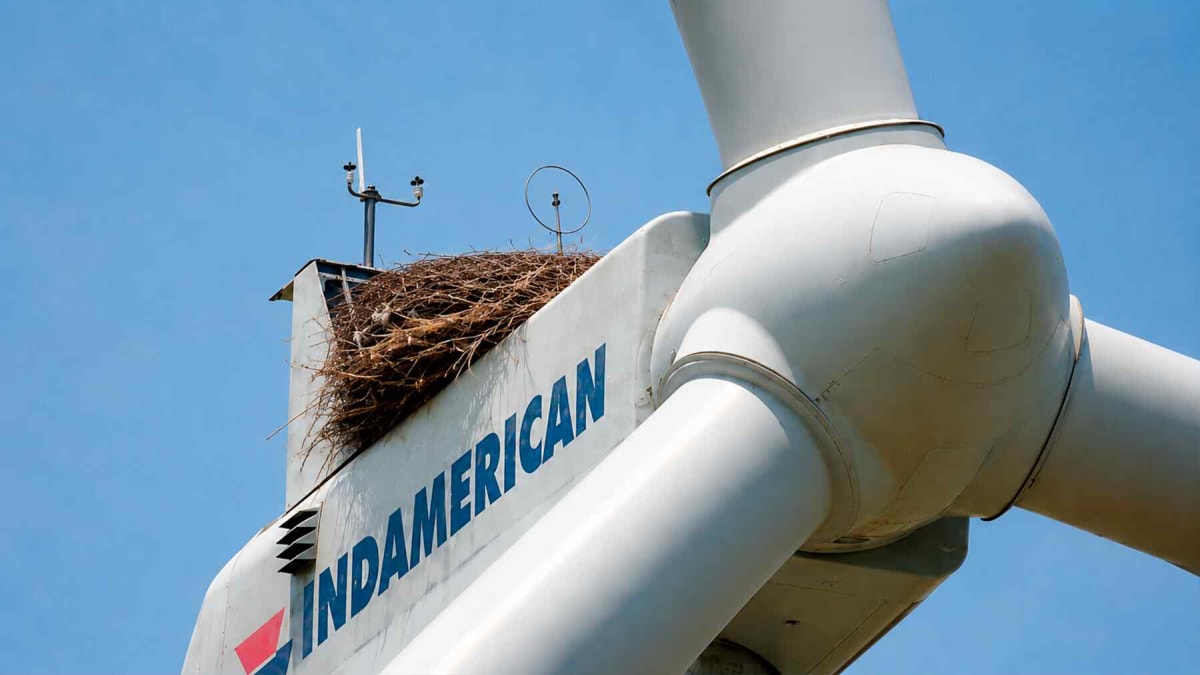
The Meridian Way study offers a blueprint for responsible wind development. By watching how species respond and adjusting management practices, energy companies can power the world's digital transformation while giving vulnerable animals a fighting chance. Sometimes progress looks like a prairie chicken building her nest in the shadow of a 300-foot turbine, raising her chicks in the safest spot she's ever known.
More Images



Based on reporting by Google News - Wind Energy
This story was written by BrightWire based on verified news reports.
Spread the positivity!
Share this good news with someone who needs it