Pregnancy Transforms Brains to Prepare Moms for Newborns
A groundbreaking Spanish study reveals pregnancy changes brain structure in positive ways, reshaping grey matter to help moms bond with and care for their babies. The findings flip the script on "baby brain," showing these changes represent specialized rewiring, not decline.
Forget everything you've heard about "baby brain" making pregnant women forgetful and less capable. The largest study of its kind reveals that pregnancy transforms the brain in remarkable ways, priming women for the extraordinary task of caring for a newborn.
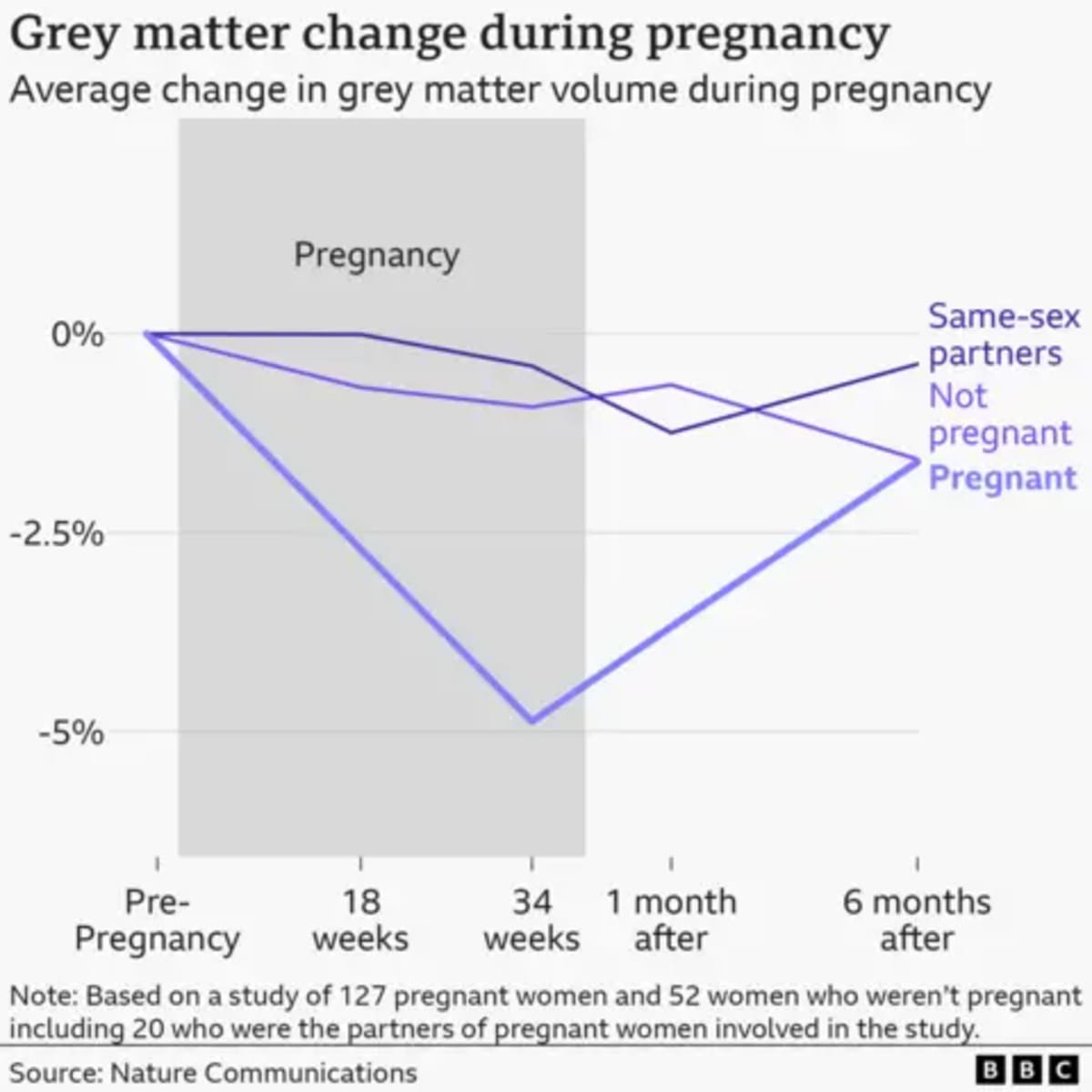
Scientists in Spain scanned the brains of 127 pregnant women before, during, and after pregnancy in a project called Be Mother. They discovered that grey matter, the nerve-rich brain tissue involved in processing emotions and empathy, decreased by nearly 5% during pregnancy.
But here's the beautiful twist: these changes appear to be beneficial, not harmful. The more a woman's brain changed during pregnancy, the stronger her bond with her baby after birth.
"Rather than becoming dumber, we are becoming more specialized for the job," said Tania Esparza, one of the new moms who participated in the research. She told researchers she was tired of pregnant women being infantilized by outdated stereotypes.
Prof. Susana Carmona, who led the study at Madrid's Gregorio Marañón Health Research Institute, compares the process to pruning a tree. "Some of the branches are cut to make it grow more efficiently," she explains.
The brain appears to be rewiring itself, streamlining its architecture to prepare for motherhood. Just as the heart grows bigger and lung capacity increases during pregnancy, the brain adapts too.
The changes were most pronounced in the default mode network, the brain region involved in self-perception, empathy, and altruism. This transformation could help mothers tune into their babies' needs and respond with care.
The team also tracked hormone levels and found that rising estrogen closely matched the reduction in grey matter. Most of the grey matter partially returned six months after birth, though not completely.
Why This Inspires
This research does something powerful: it reframes a stigmatized experience as an impressive biological adaptation. For too long, pregnant women have been dismissed as scattered or less capable. Now science shows their brains are actually reorganizing to master one of life's most demanding roles.
The study opens doors for understanding not just typical pregnancy, but also conditions like postpartum depression. By mapping how the brain transforms during this pivotal time, researchers can better support women when things go wrong.
And importantly, the scientists studied non-pregnant partners too, recognizing that good parenting comes in many forms. "You can be many types of parents, and you don't need to be pregnant to be a good one," Carmona notes.
This research celebrates what pregnant women's bodies and brains accomplish: a complete renovation to welcome new life.
More Images



Based on reporting by Google News - Health
This story was written by BrightWire based on verified news reports.
Spread the positivity!
Share this good news with someone who needs it