Pregnancy Vaccine Cuts Baby RSV Hospitalizations 70%
A new vaccine given to pregnant mothers is slashing dangerous RSV hospitalizations in newborns by nearly 70%, offering protection from birth when babies are most vulnerable. This breakthrough could save thousands of infants from severe respiratory illness every year.
Babies are getting powerful protection against a dangerous respiratory virus before they're even born, thanks to a vaccine given during pregnancy that's proving remarkably effective in the real world.
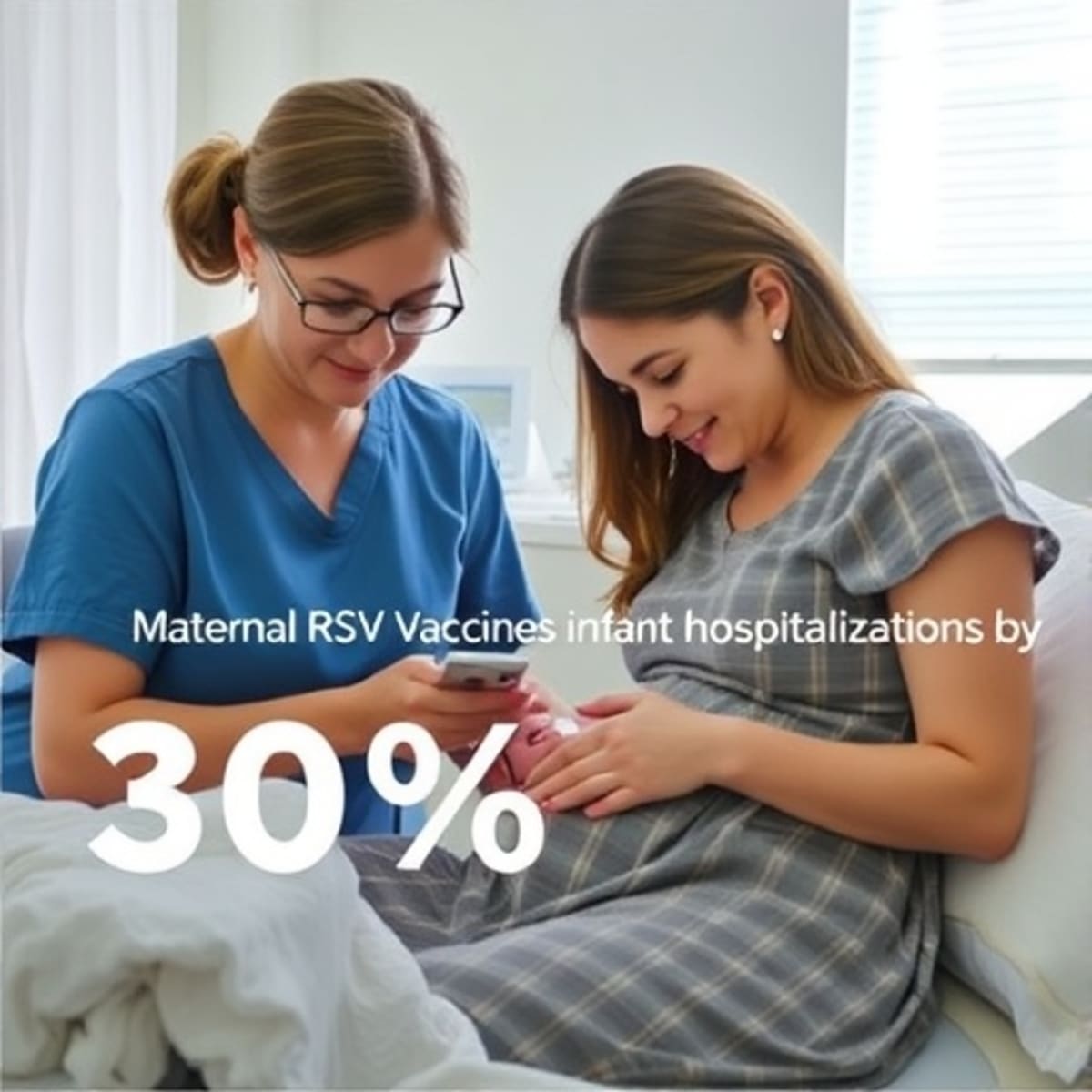
Researchers at the University of Pittsburgh and UPMC tracked infants under three months old across two RSV seasons and found something remarkable. Mothers who received a single dose of the RSVpreF vaccine during pregnancy reduced their babies' risk of RSV hospitalization by 68%. Even more impressive, severe respiratory infections requiring intensive care dropped by 69%.
RSV has long terrorized parents of newborns for good reason. It's the leading cause of hospital admissions in young infants across the United States, often requiring oxygen therapy or even mechanical ventilation. Until now, healthy newborns had limited protection, relying mainly on antibody treatments given after birth.
This maternal vaccine changes everything by working with a mother's natural connection to her baby. The shot stimulates the mother's immune system to create protective antibodies during pregnancy. Those antibodies pass through the placenta to the developing baby, providing a shield of protection from day one when infants are most vulnerable.
Dr. Anne-Marie Rick, the study's lead author, emphasized what matters most. "We centered our research on the outcomes that matter most to families: whether their newborn ends up in the hospital with RSV," she explained. The results show substantial impact on infant health while simultaneously relieving pressure on pediatric hospitals during seasonal outbreaks.
The vaccine targets a specific part of the RSV virus called the prefusion F protein, essential for the virus to enter cells. By focusing on this critical target, the vaccine generates high-quality antibodies that effectively neutralize the virus before it can cause serious illness.
The Ripple Effect
This success story extends far beyond individual families. Fewer hospitalized babies means reduced strain on pediatric intensive care units during RSV season, when beds often fill quickly. It means parents missing less work, siblings experiencing less disruption, and healthcare workers able to focus resources where they're needed most.
The vaccine also represents a powerful expansion of maternal immunization strategies that have traditionally focused on influenza and whooping cough. Public health experts are now calling for integration of RSV vaccination into routine prenatal care, potentially protecting countless babies during their most fragile first months.
The research team isn't stopping here. Their four-year study will continue tracking protection duration and effectiveness in babies up to six months old, helping optimize timing and public health guidelines. With FDA approval already granted in 2023, the path is clear for widespread implementation.
For the millions of parents who've anxiously watched their newborns struggle to breathe, this vaccine offers something priceless: the ability to protect their babies before illness ever strikes.
More Images
Based on reporting by Google News - Vaccine Success
This story was written by BrightWire based on verified news reports.
Spread the positivity!
Share this good news with someone who needs it