Pregnancy Vaccine Cuts Baby RSV Hospitalizations by 80%
A vaccine given during pregnancy is slashing hospital admissions for newborns with dangerous chest infections by more than 80%. The breakthrough is protecting thousands of vulnerable babies from a virus that sends over 20,000 infants to UK hospitals each year.
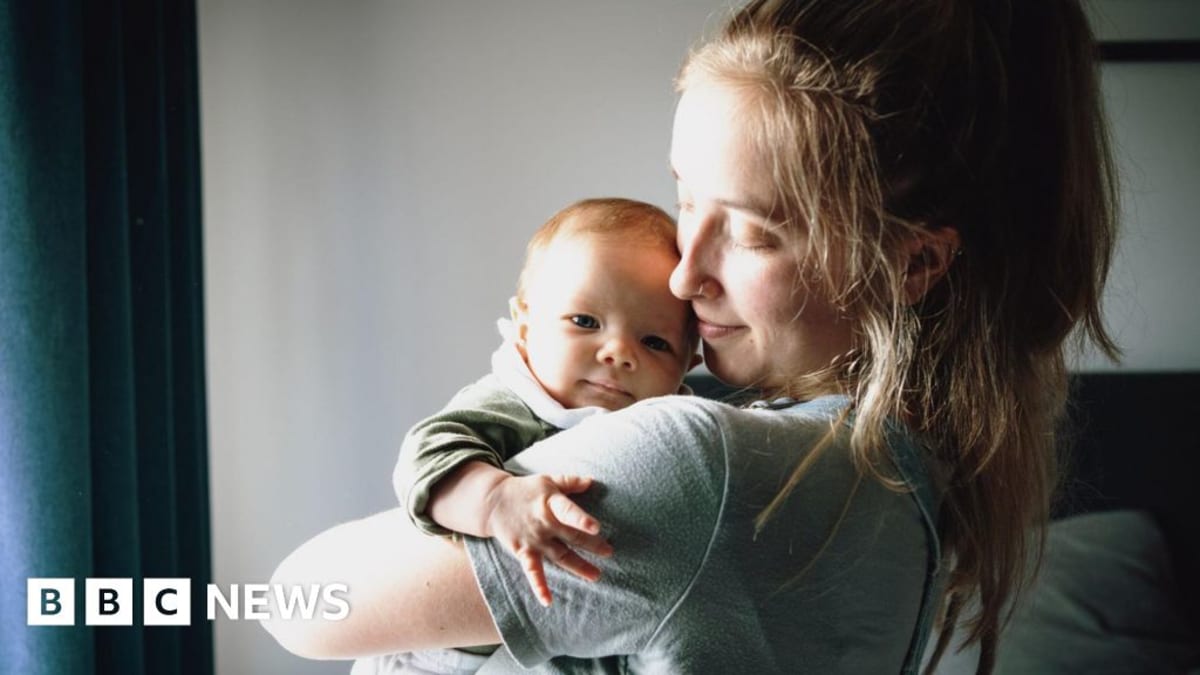
Babies across England are breathing easier thanks to a vaccine their mothers received during pregnancy.
Since 2024, pregnant women in the UK have been offered a shot that protects their newborns from RSV, a virus that can make tiny lungs struggle for air and leave infants too weak to eat. A new study tracking nearly 300,000 babies shows the vaccine is working even better than hoped, cutting hospital admissions by 85% when given at least four weeks before birth.
RSV affects half of all newborns in their first months of life. For most, it causes mild cold symptoms, but for thousands it turns life-threatening. Parents watch helplessly as their babies' chests heave with the effort to breathe, their tiny bodies fighting inflammation in their lungs.
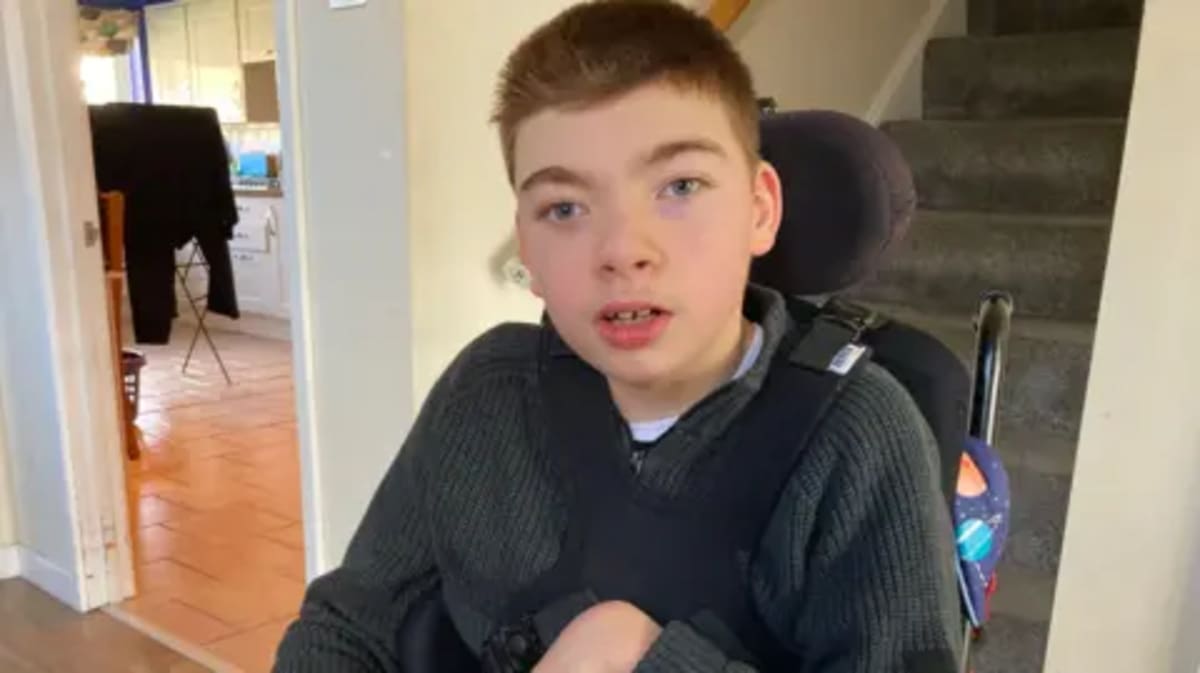
Laine Lewis knows that terror firsthand. Her son Malachi developed what seemed like a simple cold as a baby, but soon he was in Bristol Children's Hospital on oxygen. Then he stopped breathing. A scan revealed brain damage that affects him to this day at age 12.
"I'd encourage people to take the vaccine for RSV because it will help their child," Lewis says now. She stresses that what happened to Malachi was extremely rare, but preventable protection matters.
The vaccine works by boosting a pregnant woman's immune system enough to pass antibodies to her baby through the placenta. From their very first breath, these babies arrive with built-in armor against RSV.
Dr. Conall Watson, who leads the RSV program for the UK Health Security Agency, says timing matters but isn't everything. Even a two-week gap between vaccination and birth can protect babies born early. "Get it on time," he advises. "But if you can't, do get vaccinated all the way through the third trimester."
The Ripple Effect
The impact reaches far beyond individual families. More than 4,500 babies were hospitalized during the study period, and the vast majority had mothers who hadn't received the vaccine. Each prevented hospitalization means less strain on overstretched children's hospitals, fewer traumatized parents, and babies who stay healthy at home where they belong.
Currently, about 64% of pregnant women in England are getting the RSV vaccine, though that drops to 53% in London. Health officials hope these promising results will encourage more mothers to protect their babies.
One simple shot during pregnancy is keeping thousands of babies out of hospitals and in their parents' arms.
More Images
Based on reporting by Google News - Health
This story was written by BrightWire based on verified news reports.
Spread the positivity!
Share this good news with someone who needs it