Priest Spent 48 Years Learning From Paraguay's Indigenous
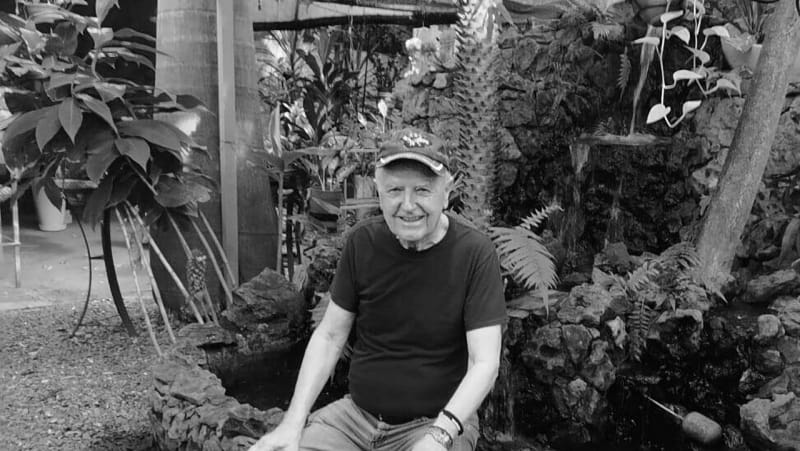
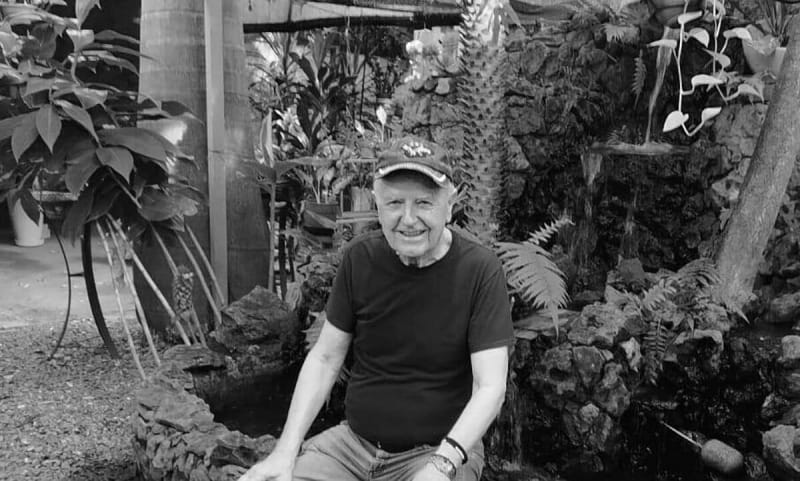
Father José Zanardini arrived in Paraguay in 1978 and spent nearly five decades listening to and learning from Indigenous communities, particularly the Ayoreo people of the Gran Chaco. His work as both priest and anthropologist helped create schools, document disappearing languages, and push the Catholic Church toward respecting Indigenous spirituality instead of erasing it.
When Italian priest José Zanardini first arrived to meet the Ayoreo people in 1978, he stepped off a boat after three days of travel and promptly fell into the Paraguay River. Everyone laughed, and in that moment of humility, a different kind of missionary work began.
An Ayoreo shaman told the soaking wet newcomer: "If you want to stay with us, you must learn many things." Zanardini, who died January 19th at age 83, would later say that advice helped him more than all his university studies combined.
Born in Brescia, Italy in 1942, Zanardini studied engineering before becoming a Salesian priest. When his order sent him to Paraguay, he added a doctorate in social anthropology to his training. He would spend the next 48 years working alongside Indigenous communities in the Gran Chaco, living in villages for years at a time.
His approach broke from older missionary patterns. Instead of treating Indigenous spirituality as something to replace, he advocated for the Church to take it seriously. "They possess beautiful and important wisdom and are more spiritual than we are," he once said, rejecting the colonial claim that Indigenous peoples lacked God or knowledge.
Why This Inspires
Zanardini combined scholarship with practical support, founding schools that taught in Indigenous languages and launching community radio stations. He led the Anthropological Studies Center at Catholic University of Asunción for 22 years, helping train Indigenous educators and documenting Ayoreo language and culture that might otherwise have been lost.
His work contributed to Paraguay's shift toward intercultural education, creating space for Indigenous children to learn their own histories alongside national curriculum. Academic papers credit him with "indispensable contributions" to understanding Ayoreo society, but he saw his role more simply: as someone privileged to listen.
The history of missions in South America carries deep wounds, and Zanardini acknowledged that reality. He worked within institutions that had caused harm, trying to model a better path forward. His life posed a question rather than answered it: whether genuine listening and respect can help repair relationships broken by centuries of coercion.
For nearly half a century, he chose to stay, to learn, and to support Indigenous communities on their own terms. That choice, repeated across thousands of days, became its own kind of testimony.
More Images

Based on reporting by Mongabay
This story was written by BrightWire based on verified news reports.
Spread the positivity!
Share this good news with someone who needs it