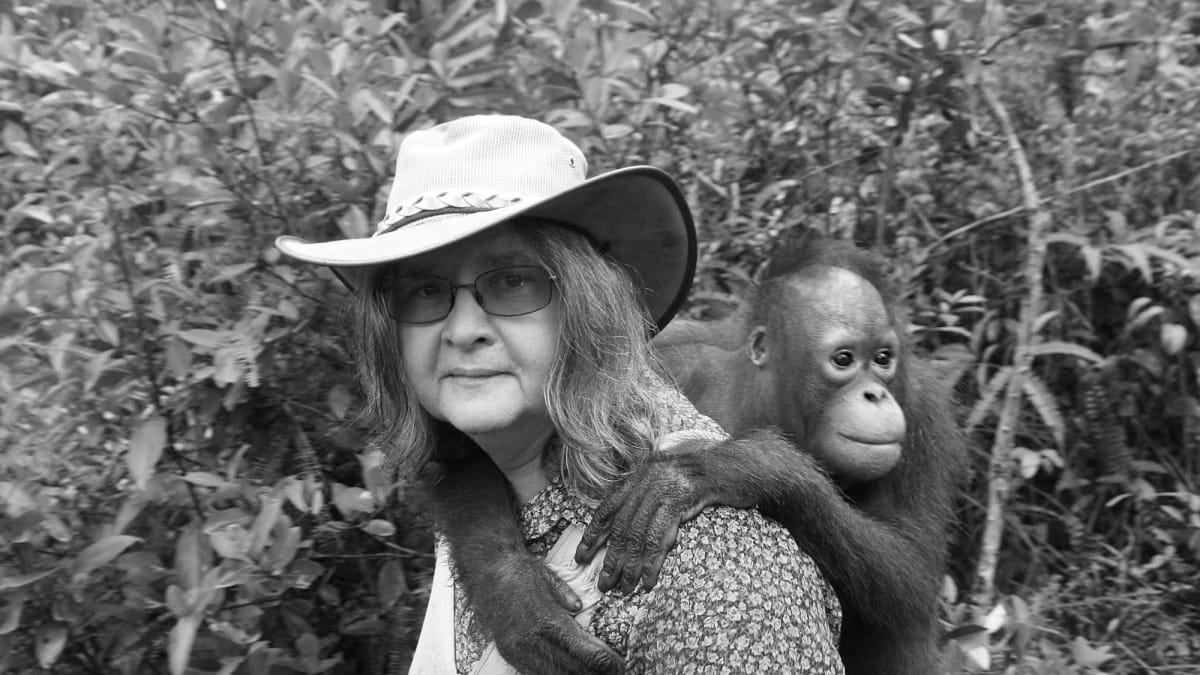
Primatologist Birutė Galdikas Dies at 79, 450 Apes Saved
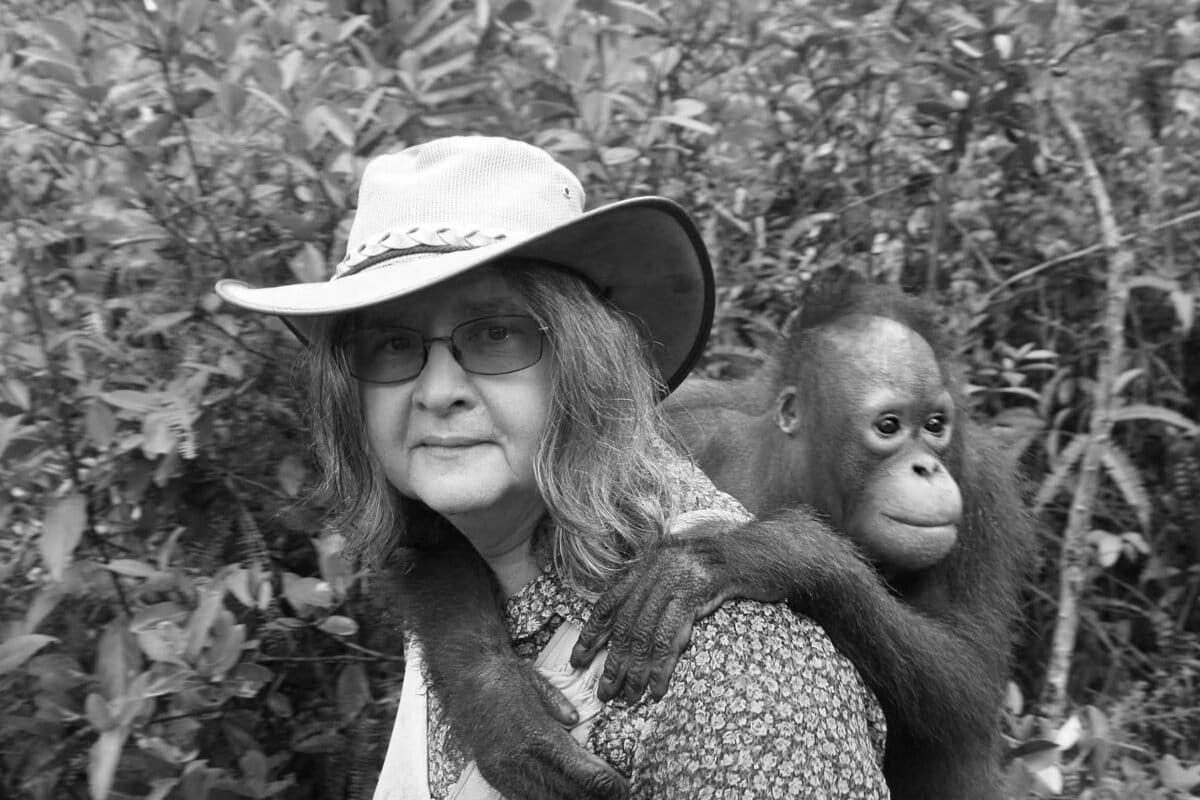
A pioneering scientist who spent 50 years studying orangutans in the jungles of Borneo has passed away, leaving behind one of conservation's most remarkable legacies. Birutė Galdikas didn't just observe these critically endangered apes—she helped save hundreds of them while protecting the forests they call home.
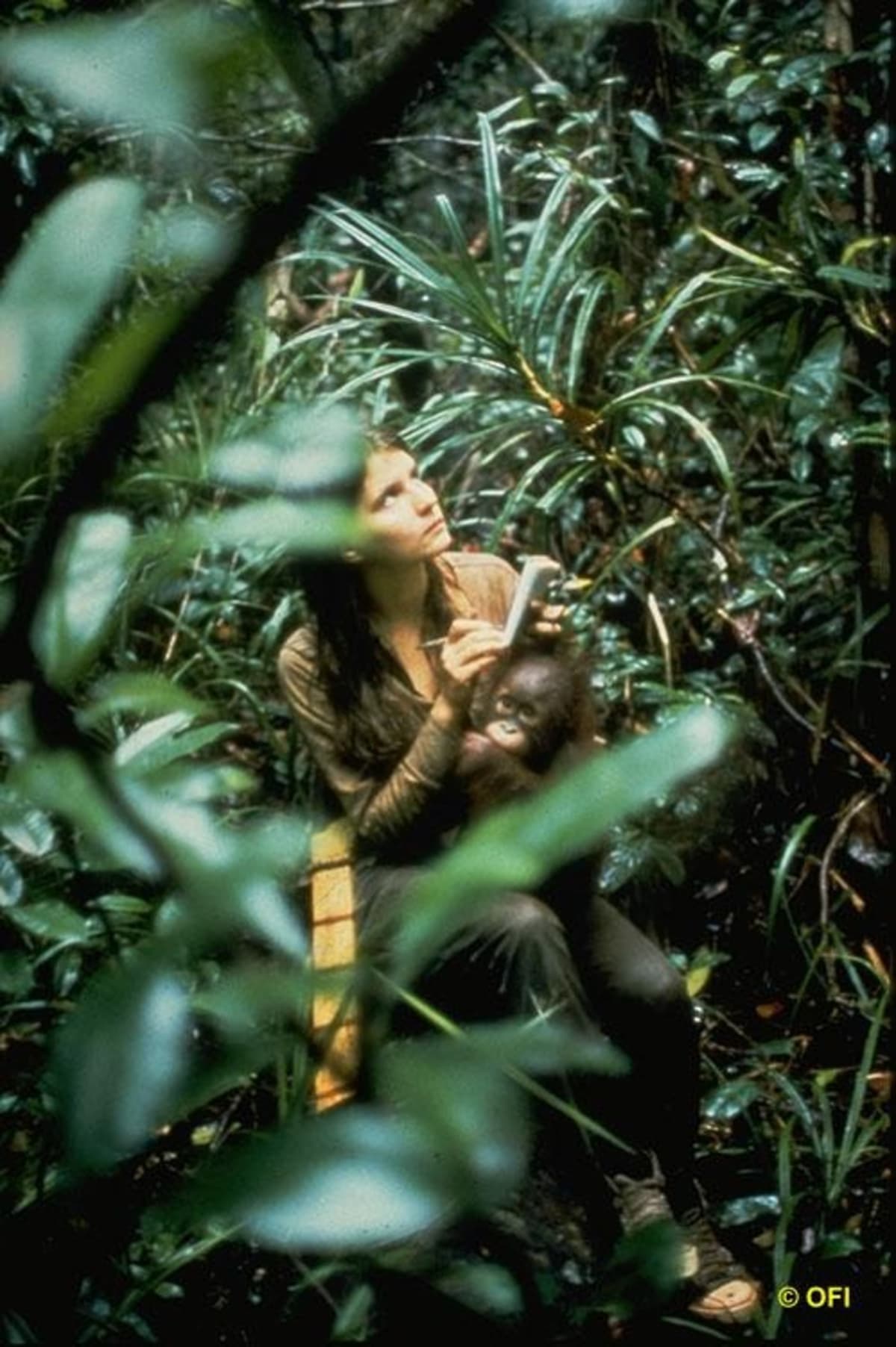
In 1971, a determined graduate student walked into a remote peat swamp in Indonesian Borneo with a simple goal: understand orangutans in the wild. Nobody knew if it was even possible.
Birutė Galdikas proved it was. Over the next five decades, she built one of the longest-running field studies of any wild mammal, transforming how scientists understand these solitary, slow-reproducing apes.
Her work revealed that orangutans were fundamentally different from their African cousins. They lived largely alone, with loose social connections rather than stable groups, and females produced only a few offspring over their lifetimes.
But Galdikas didn't stop at observation. As Borneo's forests began disappearing to logging and agriculture, orphaned and displaced orangutans started appearing with nowhere to go.
She created a rehabilitation program that became a lifeline. Young orangutans learned to climb, forage, and navigate the canopy before gradually returning to the forest, some relying on supplemental feeding platforms until they gained independence.
Over the years, her program successfully returned more than 450 orangutans to the wild. Each one represented not just a scientific achievement, but a living connection between research and real-world rescue.
In 1986, she founded Orangutan Foundation International to expand beyond individual animals. The organization employed local staff, supported forest patrols, and worked with communities to protect remaining habitat as economic pressures intensified.
The work wasn't easy. During periods of weak governance in the late 1990s, illegal logging stripped valuable timber from protected areas while authorities looked the other way.
Galdikas adapted by making conservation work for local economies. Camp Leakey, her research station, became an ecotourism destination that linked forest protection with income for nearby communities.
As one of Louis Leakey's "Trimates" alongside Jane Goodall and Dian Fossey, Galdikas helped bring great apes into public consciousness. Her work showed these animals weren't just subjects for study—they were behaviorally complex beings worth protecting.
Why This Inspires
Galdikas spent half a century in challenging conditions because she believed persistence could make a difference. She was right.
Her legacy lives in every rehabilitated orangutan now thriving in Borneo's forests, in the local communities who continue conservation work, and in the protection of habitat that might otherwise be lost. She showed that one person's dedication, sustained over decades, can create ripples that protect an entire species.
The forests of Borneo still face threats, but they face them with stronger defenses because of her life's work.
More Images


Based on reporting by Mongabay
This story was written by BrightWire based on verified news reports.
Spread the positivity!
Share this good news with someone who needs it