Princeton Student Retracts Own Paper After Finding Errors
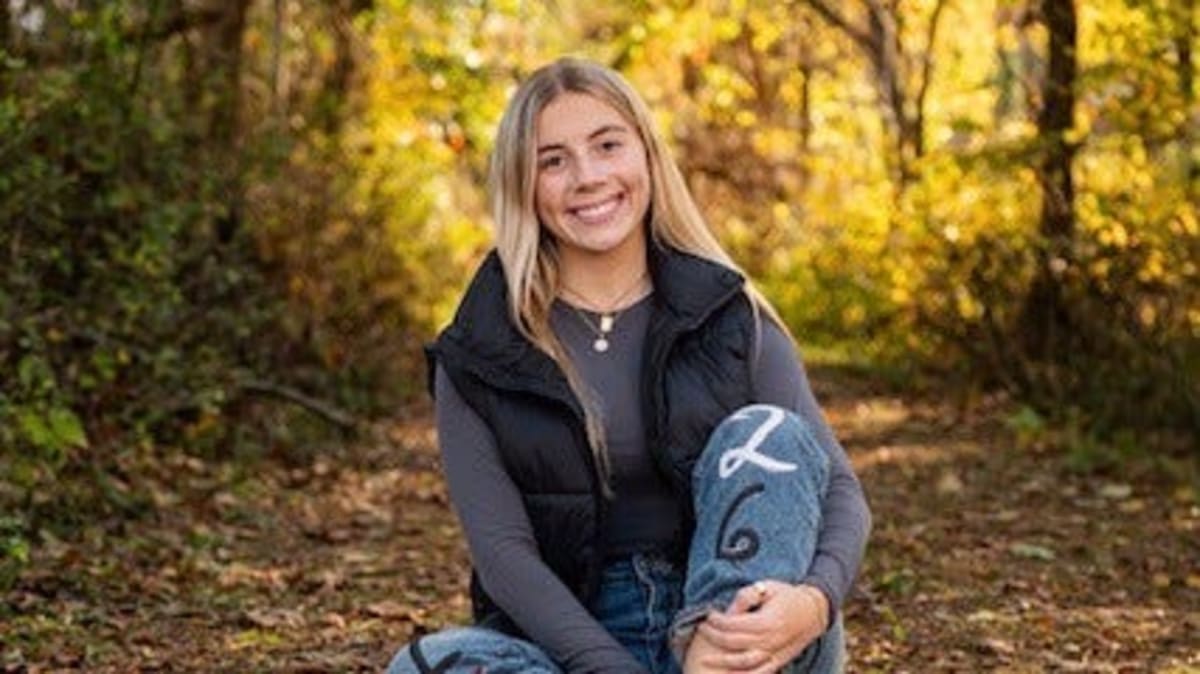
When Princeton sophomore Rishika Porandla discovered mistakes in her published high school research, she made the rare choice to retract her own work. Her integrity earned praise from scientists and led to a new award recognizing researchers who correct their own errors.
Not many college students would willingly pull their published research from the scientific record, but Rishika Porandla knew it was the right thing to do.
As a high schooler, Porandla discovered a new way to break down plastic and published her findings in a scientific journal. It was one of her proudest achievements, representing years of lab work and confirming her dream to become a researcher.
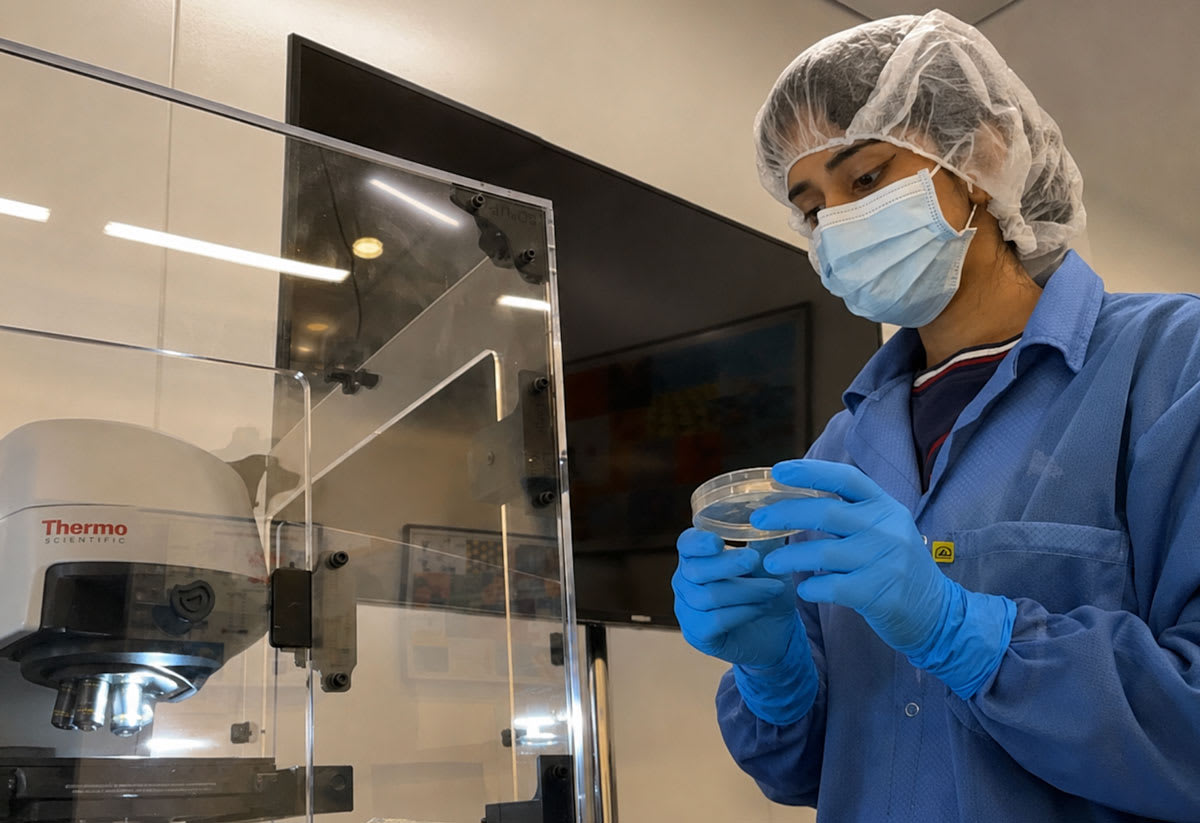
But during a Princeton University course called "The Curious Scientist," she decided to build on that earlier discovery. As she dug deeper into her original work using more advanced equipment, she found something unexpected: two methodological errors that made her conclusions inaccurate.
At first, she hoped the inconsistencies would disappear. "I thought it might have been a calibration error in the Princeton experiment, not the one I did back in high school," she recalled. But the more she examined the study, the clearer the truth became.
Porandla contacted the journal publisher Wiley and requested a retraction. "It was really hard because I had to let go of something that beyond just being a publication was a full project that I really thought was part of my identity as a researcher," she said.
In May, the journal officially retracted her paper. What happened next surprised her.
Why This Inspires
Scientists familiar with her case praised Porandla's honesty, pointing out how rare self-retractions are. A 2013 study found only 22% of scientific retractions are self-reported. Most errors get discovered by others, making voluntary corrections uncommon.
The journal's editor-in-chief, David Huesmann, called her actions an "honest commitment to scientific integrity." The journal has encouraged her to resubmit updated research once she completes it.
The Center for Scientific Integrity recently created the Ctrl-Z Award to honor researchers like Porandla who discover their own mistakes and correct the scientific record despite professional risk. Her case demonstrates the kind of integrity the award celebrates.
Looking back, Porandla believes her high school teachers didn't adequately guide her on rigorous experimental validation before publishing. The paper went through peer review with only one reviewer, and no one questioned her methodology.
Now she's using what she learned to do better science. The retraction wasn't an ending but a beginning for more accurate research.
More Images


Based on reporting by Google News - Science
This story was written by BrightWire based on verified news reports.
Spread the positivity!
Share this good news with someone who needs it