Private Donors Fuel Breakthrough Cancer and Brain Research
Billions in private donations are accelerating life-saving medical discoveries that might otherwise take decades or never happen. From cancer treatments to brain disease research, philanthropic funding is helping researchers pursue bold ideas with the flexibility government grants can't provide.
When Charles Provenzano received a tongue cancer diagnosis at age 72, the glassblower faced losing not just his health but the craft that defined his life. Thanks to innovative surgical techniques developed at Memorial Sloan Kettering Cancer Center, doctors removed his cancer using a less invasive approach that preserved his ability to blow glass.
His successful treatment represents just one example of how private philanthropy is transforming medical research. Each year, private foundations and individual donors contribute billions of dollars to medical research, providing scientists with the resources and freedom to pursue discoveries that traditional funding often can't support.
The scale of this investment is remarkable. In December 2023, Kenneth C. Griffin and David Geffen donated $400 million to Memorial Sloan Kettering Cancer Center to accelerate cancer research and patient care. These massive gifts allow institutions to recruit top researchers, invest in cutting-edge technologies, and launch innovative programs that lead to new therapies.
Private funding offers something government grants struggle to provide: flexibility and stability. While public funding priorities shift with each new administration and budget cycle, philanthropic support gives researchers the consistency to pursue long-term projects that may take years or decades to yield results.
Organizations like Klingenstein Philanthropies are investing in high-risk neuroscience research that could unlock new understanding of devastating diseases. The foundation supported researcher Lisa Giocomo, whose work examining how single-cell biological processes affect cognitive and spatial awareness could contribute to better diagnosis and treatment of dementia and Alzheimer's disease.
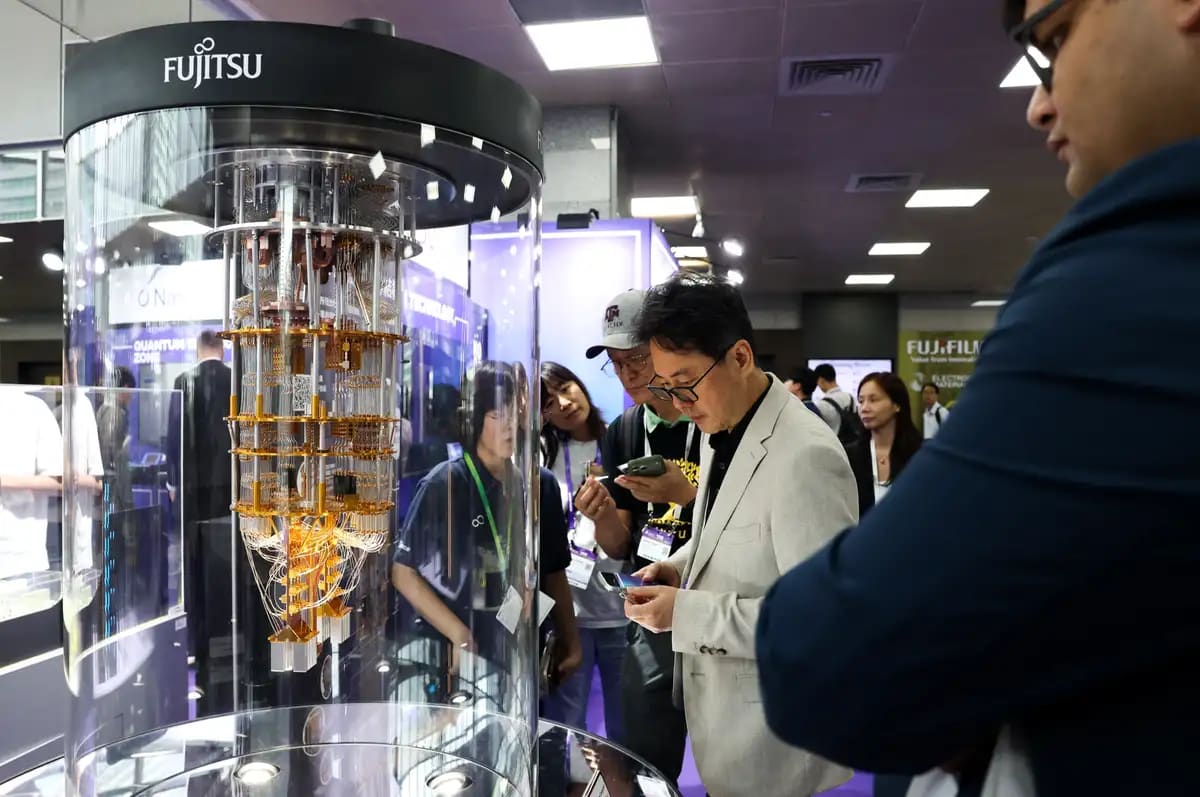
The Gordon and Betty Moore Foundation has contributed more than $2.4 billion to scientific research, enabling pioneering technological advances. Their support for quantum materials research is laying groundwork for future innovations in medical imaging, advanced computing, and highly sensitive diagnostic sensors.
These philanthropic investments can also move faster than traditional funding channels. When scientific opportunities or emergencies emerge, private donors can deploy capital quickly, allowing researchers to respond without waiting for lengthy government approval processes.
The Ripple Effect
The impact extends far beyond individual patients like Charles Provenzano. Private philanthropy is building an entire ecosystem of medical innovation that strengthens America's capacity for discovery. By funding specialized areas of research that struggle to attract traditional grants, donors help scientists pursue foundational work that may seem risky but holds tremendous potential.
This voluntary support has become indispensable to biomedical research. It expands institutional capacity, enables ambitious projects, and provides the flexible funding that allows scientists to follow unexpected discoveries wherever they lead.
The combination of brilliant researchers and generous private support is creating a steady stream of breakthroughs that help people live longer, healthier lives.
More Images
Based on reporting by Google News - Medical Breakthrough
This story was written by BrightWire based on verified news reports.
Spread the positivity!
Share this good news with someone who needs it