Private Landers Will Touch Down on Asteroid Apophis in 2029
In 2029, private company ExLabs will make history by landing spacecraft on asteroid Apophis as it passes closer to Earth than our satellites. Multiple nations are sending missions to study this once-in-thousands-of-years event that will be visible to the naked eye.
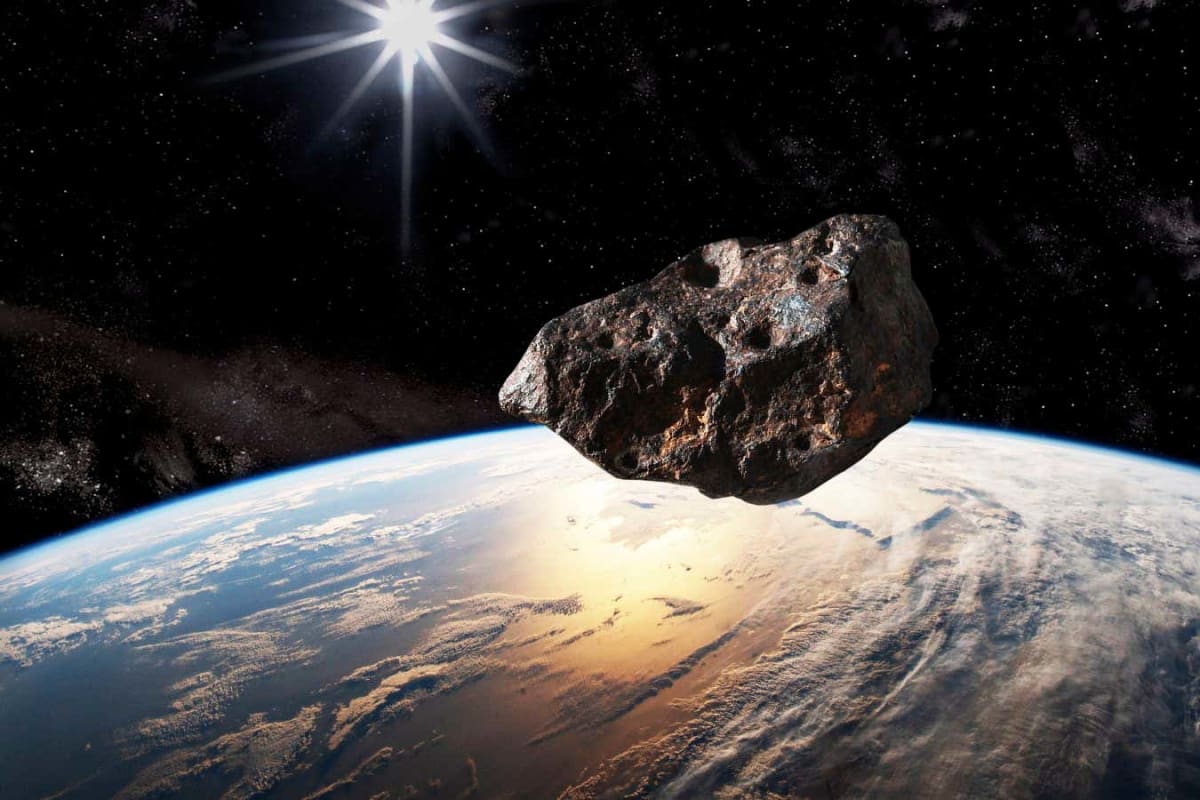
Get ready for one of the most spectacular cosmic shows in human history. On April 13, 2029, asteroid Apophis will zoom past Earth just 32,000 kilometers away, closer than our geostationary satellites, and you'll be able to see it without a telescope.
What makes this even more exciting? Private spaceflight company ExLabs just announced it will land two spacecraft on Apophis, marking the first time a private company has ever touched down on an asteroid. The mission passed a critical review phase and is set to launch in 2028.
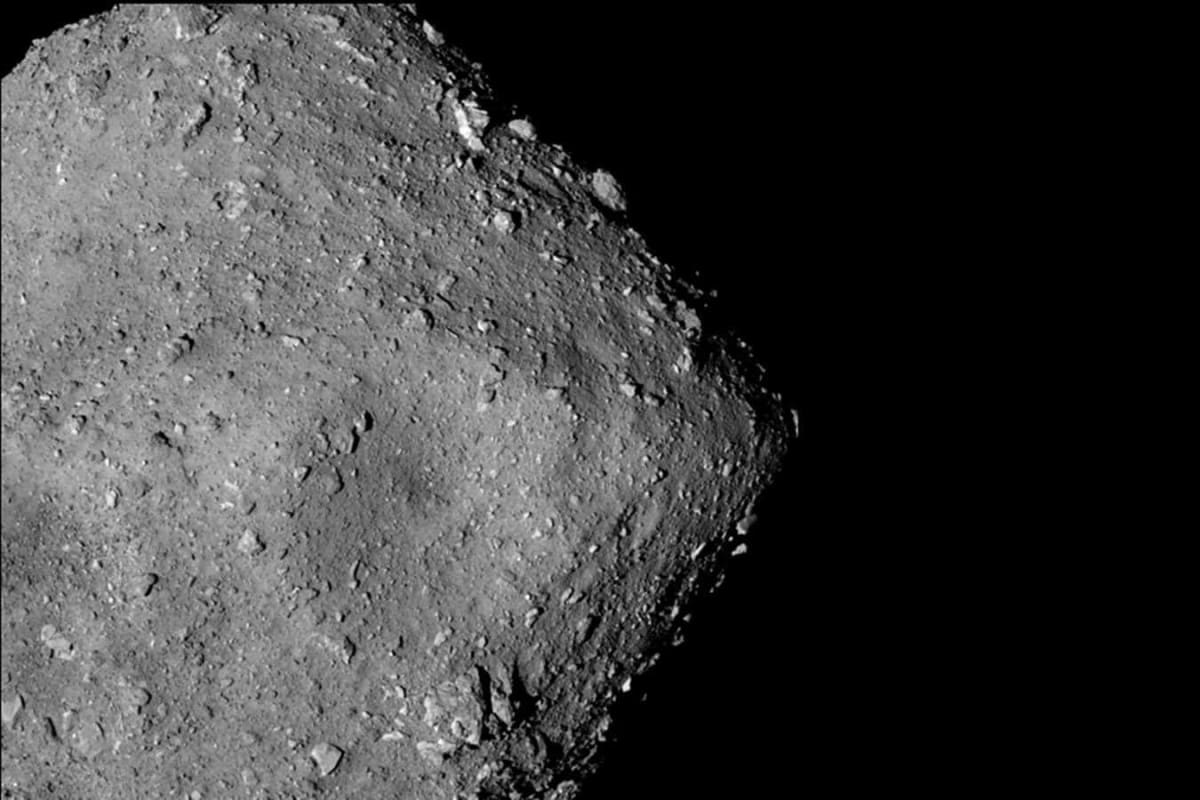
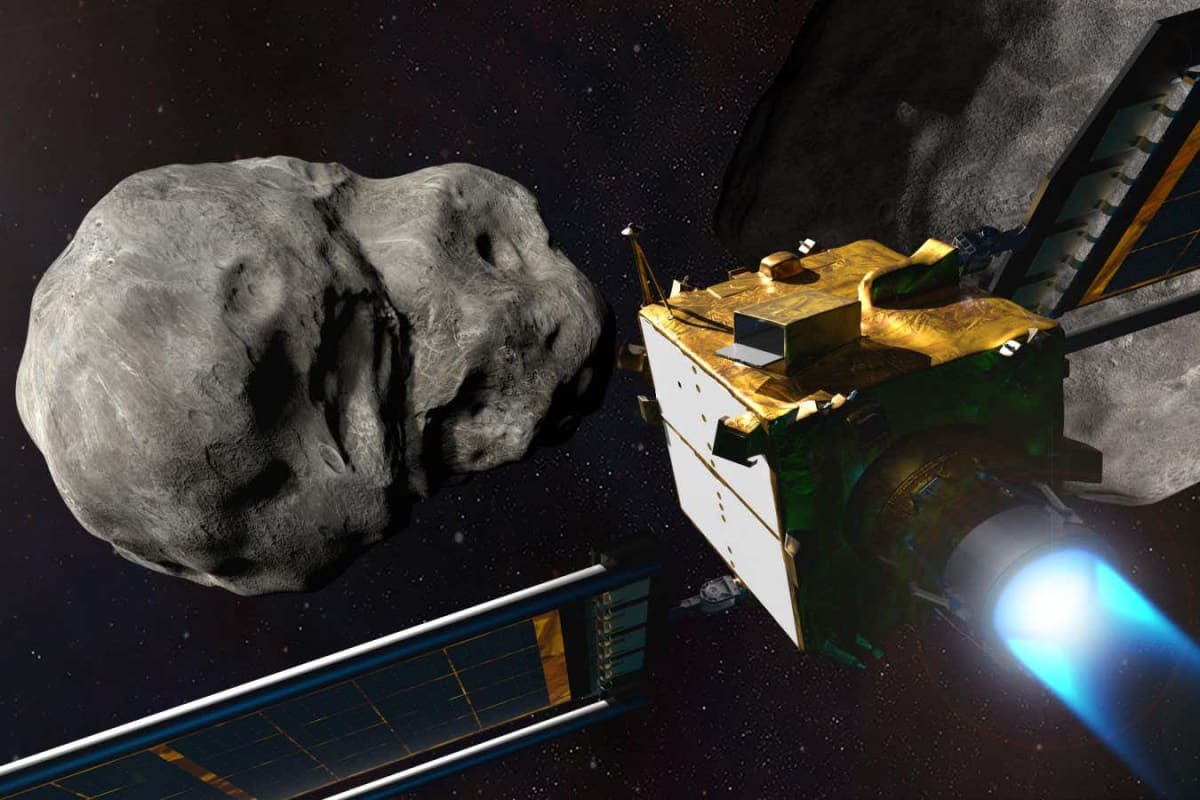
The ExLabs mothership, called ApophisExL, will carry up to 10 spacecraft and instruments from different partners. One shoebox-sized lander from Japan's Chiba Institute of Technology will deploy from 400 meters above the asteroid's surface, gently descending at about 10 centimeters per second for an hour before touchdown.
"The goal is to gain images from the surface of the asteroid," says Miguel Pascual, chief science officer and co-founder of ExLabs. "There's some really exciting science that can happen."
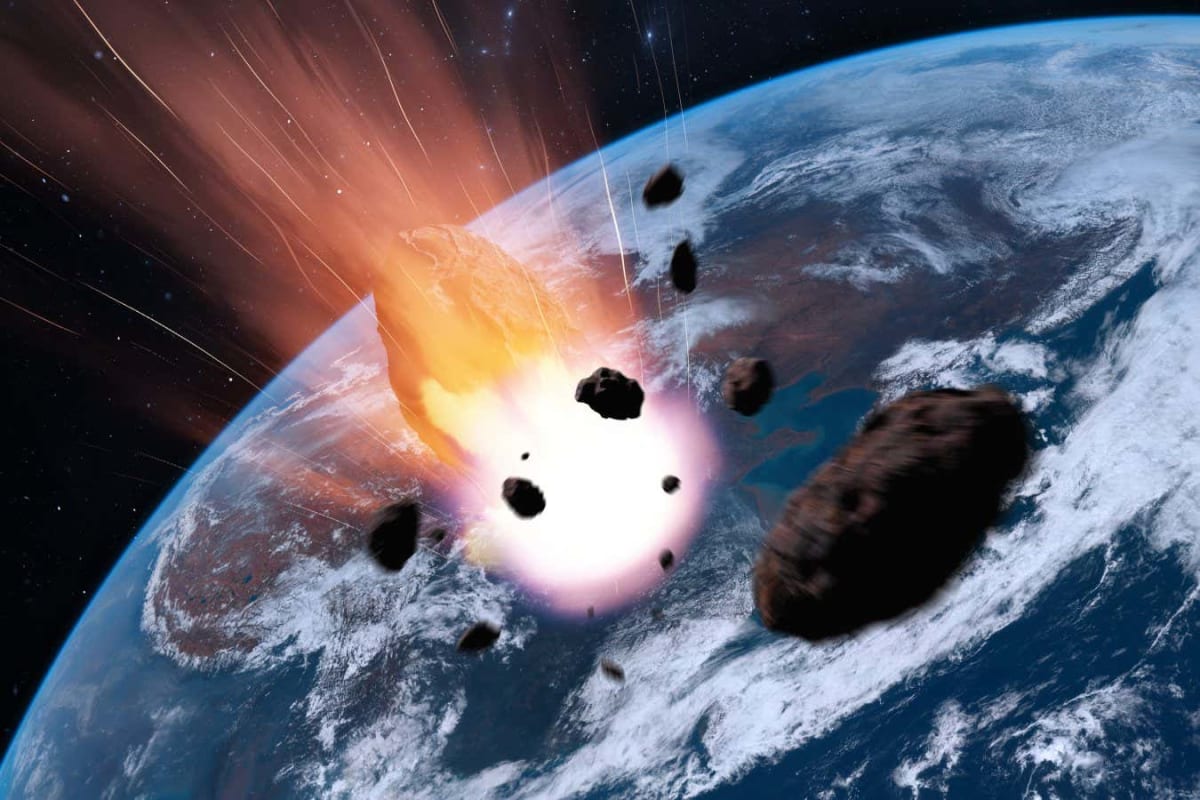
Apophis, discovered in 2004, initially sent a ripple of concern through the scientific community. Early calculations showed it had up to a 2.7 percent chance of hitting Earth in 2029, potentially destroying an area the size of a city. Later refinements confirmed there's no chance of impact for at least 100 years.
Now this 400-meter-wide space rock is becoming a golden opportunity for science. The United States, Europe, Japan, and China are all planning missions to study the asteroid before, during, and after its historic flyby.
Why This Inspires
This moment represents something remarkable about human progress. An object that once sparked fear is now uniting the world in peaceful scientific cooperation. Countries and private companies are working together to learn from this visitor, transforming a potential threat into an opportunity for discovery.
The European-Japanese Ramses mission will land a few days before the flyby, using a seismometer to measure any landslides caused by Earth's gravitational pull. It might even record the touchdowns of the ExLabs landers. "Any opportunity to touch and feel the softness or hardness of the surface is great," says Patrick Michel, the mission's project scientist.
All landings will happen carefully timed around the flyby to prevent any accidental trajectory changes. With the world watching multiple spacecraft coordinate around a single asteroid, scientists are emphasizing the importance of communication. "We don't want to screw up," Michel says.
This asteroid approach happens once every several thousand years for a space rock this size, and humanity is meeting it with curiosity, collaboration, and cutting-edge technology instead of fear.
More Images

Based on reporting by New Scientist
This story was written by BrightWire based on verified news reports.
Spread the positivity!
Share this good news with someone who needs it