Private Landowners Return 3 Tasmania Blocks to Aboriginal Council
Three Tasmanian landowners are handing their properties to the Aboriginal Land Council, showing a grassroots path forward when government land returns stall. One dumping ground is now becoming a training site for the next generation of Indigenous rangers.
When Marianne Lovelock couldn't get help stopping people from dumping tires into the creek on her Tasmanian property, she decided to hand it to someone who could truly care for it.
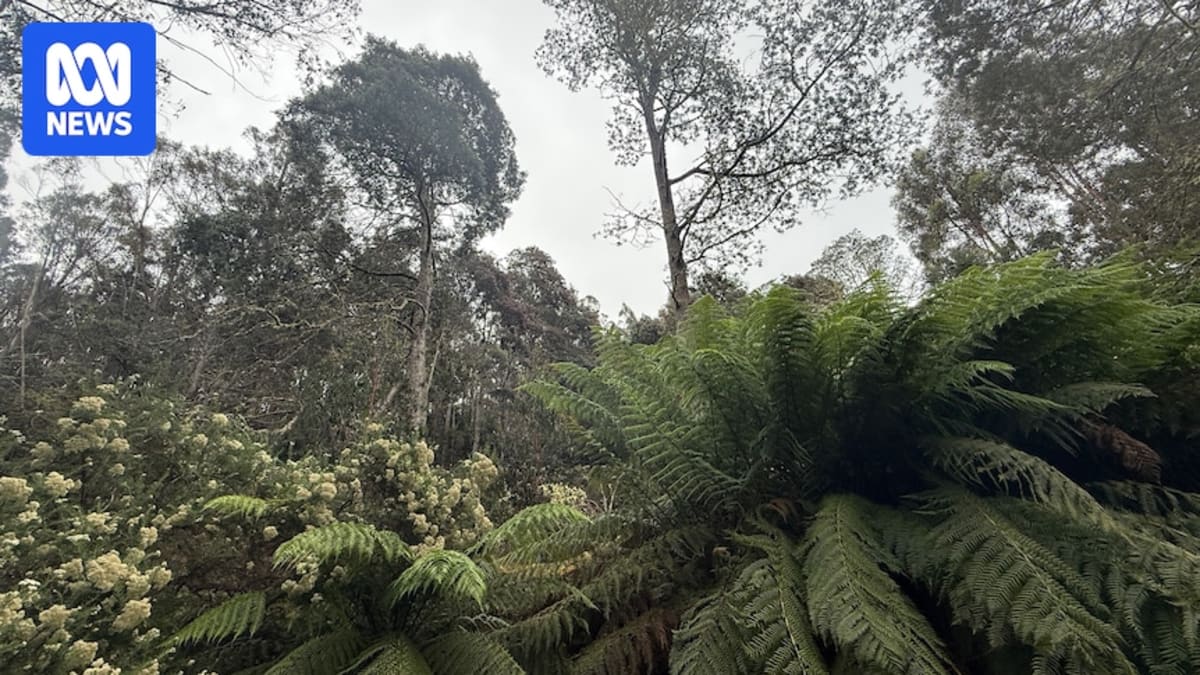
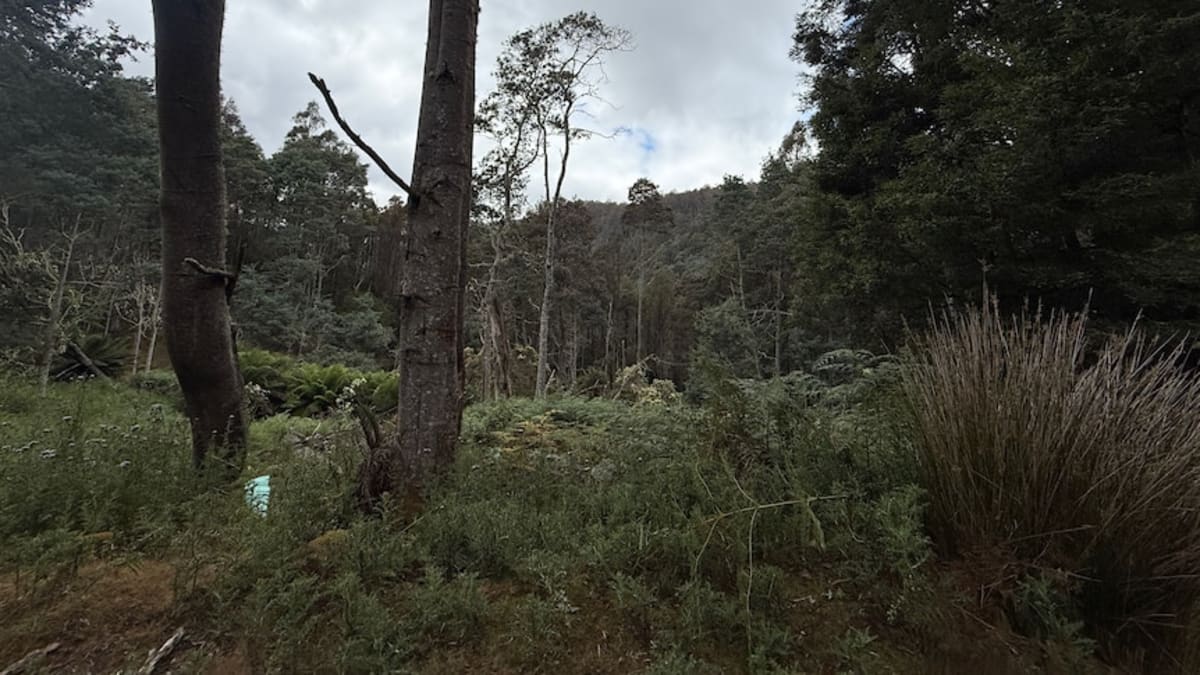
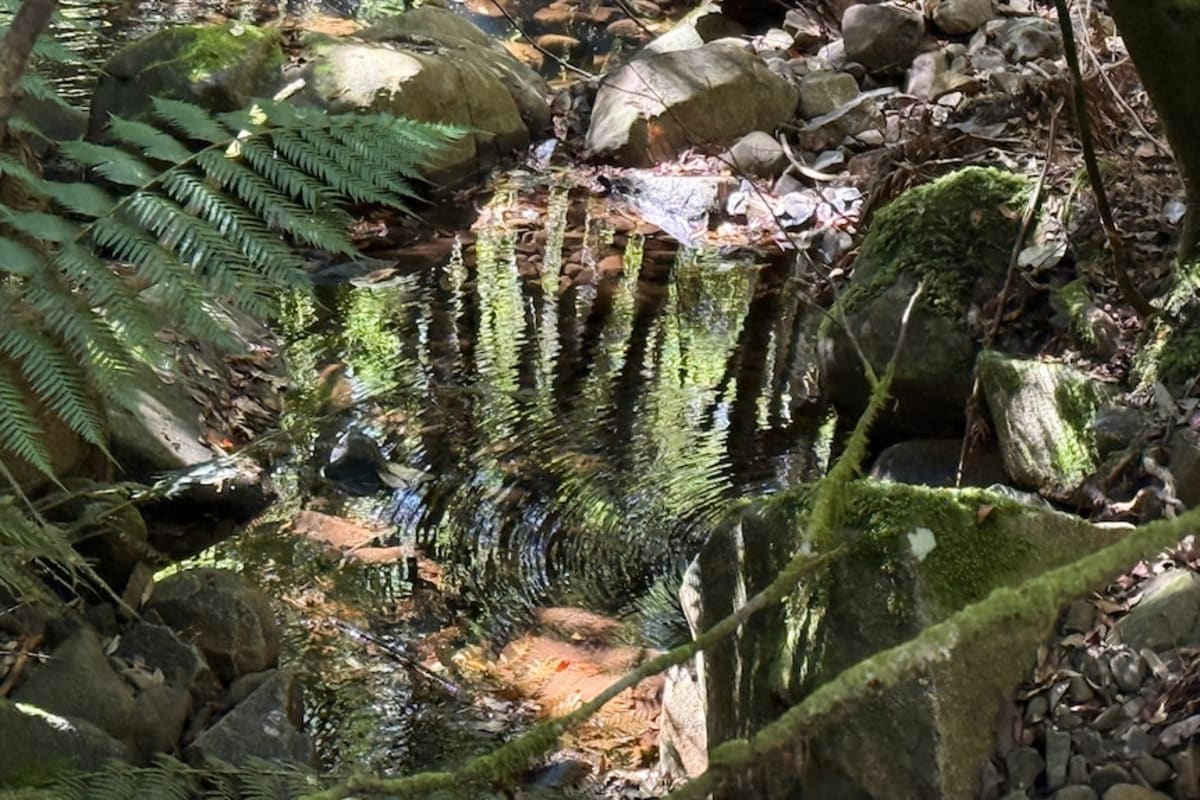
The Canberra woman bought the five-hectare block at Collinsvale over 20 years ago, drawn to its platypus-filled creek and ferny woodland at the foot of Kunanyi/Mt Wellington. Building proved too hard, and when it became a dumping ground, neither the council nor park trust could take it on.
After the Voice to Parliament referendum, Lovelock had an idea. She would hand the land to the Aboriginal Land Council of Tasmania.
"It would demonstrate to the Palawa people that people do care, lots of people care," she said. The process wasn't simple though. Tasmanian law required the ALCT to purchase it at minimum cost, forcing the council to crowdfund the money.
Donations poured in, including $10,000 from Keep Tassie Wild stickers, a local business that had never made such a large gift. "The idea that people can have a place to manage, to be in charge of, to practice that deep and proper connection is incredibly exciting," said illustrator Josh Pringle.
The ALCT acquired the property late last year and immediately set rangers to work. They've removed over 30 dumped tires and are clearing invasive plants while developing water monitoring programs.
The Ripple Effect
The Collinsvale property is now one of three private blocks recently handed to the ALCT. A second site at Loongana features deep forest with the Leven River running through, home to freshwater crayfish and masked owls. The third is a small residential block at Mathinna that will become an interpretation site with native gardens for visitors.
ALCT general manager Sarah Wilcox says these properties are essential training grounds. "The junior rangers have such pride and joy on their faces knowing they are now fulfilling what our ancestors did," she explained.
The private handbacks fill a crucial gap. No large-scale land returns have happened in Tasmania since 2005, leaving the ALCT to rely on generous private owners willing to play their part.
The council hopes formal land return processes can advance through ongoing treaty and truth-telling discussions, but for now, these three properties represent something powerful: individual Australians taking reconciliation into their own hands and creating spaces where Indigenous rangers can reconnect with country.
More Images


Based on reporting by ABC Australia
This story was written by BrightWire based on verified news reports.
Spread the positivity!
Share this good news with someone who needs it