Professor Turns Tree Climbers Into Tour Guides in Tamil Nadu
A 30-year-old researcher in Tamil Nadu is saving an ancient profession by turning palmyra tree climbers into tourism entrepreneurs. Her trails are creating new income for communities whose average age is 70.
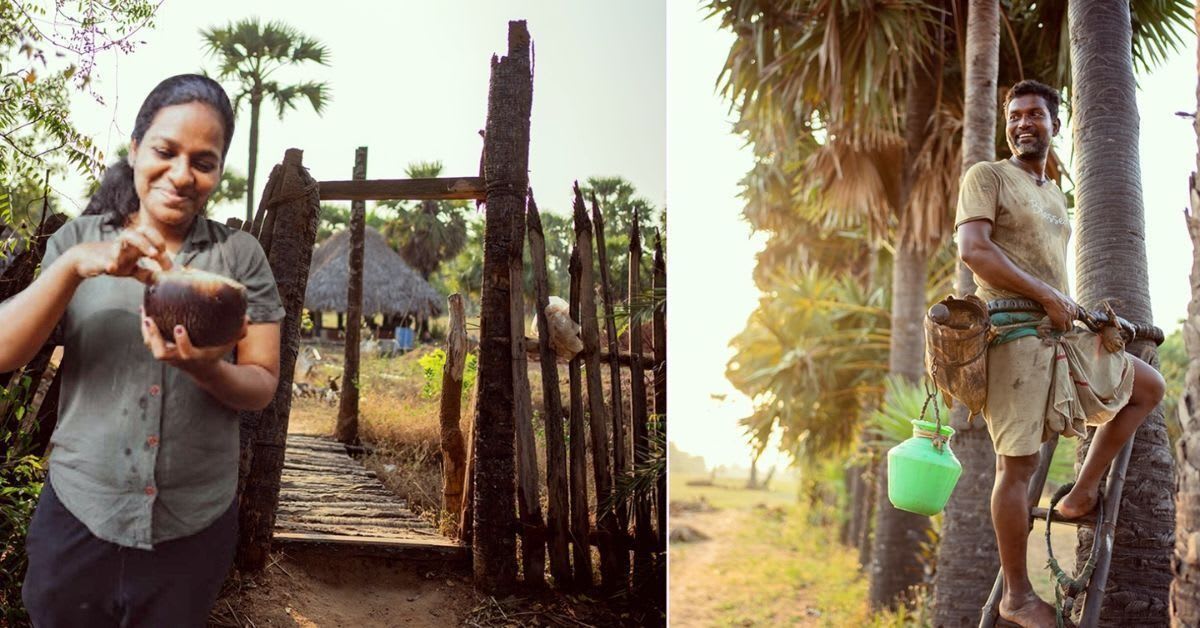
When Dr Preethi Hari Babu watched 70-year-old climbers scale towering palmyra trees at dawn, she saw more than a dying tradition. She saw a tourism opportunity that could save both the tree and the people who depend on it.
The 30-year-old tourism researcher from Chennai has spent years studying Tamil Nadu's state tree and the aging communities who climb it. Most climbers are now in their seventies, and their knowledge of harvesting sap, fruit, and leaves is disappearing with them.
Preethi's solution is simple but powerful. She organizes palmyra trails where tourists meet these climbers, learn their craft, and buy their products directly. In just three tours, between 20 and 30 people each time discovered a world they never knew existed.
The palmyra tree supports entire value chains across Tamil Nadu. Women make jaggery from the sap, artisans weave leaves into baskets, and entrepreneurs turn fruit into jams and sweets. The tree also prevents soil erosion and provides habitat for wildlife in dry coastal landscapes.
But most people only know palm fruit. They have no idea about the dozens of products and livelihoods connected to this single tree.
Anto Brito, 32, comes from three generations of climbers. After trying office work, he returned to the trees where he feels healthiest and happiest. His family now runs two shops selling palmyra handicrafts and food products while he climbs and harvests.
Preethi's research, completed through Mizoram University in 2025, focused on how tourism could protect both the tree and its communities. Her trails do exactly that by connecting urban consumers with rural producers.
The Ripple Effect
What started as academic research is becoming an economic lifeline. Tour participants are saving climbers' phone numbers and placing regular orders for palmyra products. They're telling friends about the trails and spreading awareness about an ecosystem most Tamil Nadu residents take for granted.
The environmental impact matters too. In regions facing water scarcity and soil degradation, palmyra landscapes provide crucial ecosystem services. Protecting the tree means protecting the land itself.
For Preethi, the goal is bigger than tourism. She wants people to understand that the palmyra tree and its community survive together. When one thrives, so does the other.
Her work proves that heritage doesn't have to fade when it can evolve. Traditional climbers are becoming educators, their products are reaching new markets, and a 70-year-old profession is finding relevance in the 21st century.
As more tourists walk through palmyra groves and hear stories passed down through generations, they're doing more than sightseeing—they're keeping an entire ecosystem alive.
More Images
%2Fenglish-betterindia%2Fmedia%2Fmedia_files%2F2026%2F09%2F03%2Fpalmyra-conservation-2026-09-03-18-03-08.jpg)
%2Ffilters%3Aformat(webp)%2Fenglish-betterindia%2Fmedia%2Fmedia_files%2F2026%2F09%2F03%2Fpalmyra-tree-conservation-tamil-nadu-2026-09-03-17-00-54.jpeg)
%2Ffilters%3Aformat(webp)%2Fenglish-betterindia%2Fmedia%2Fmedia_files%2F2026%2F09%2F03%2Fpalmyra-tree-conservation-tamil-nadu-2026-09-03-17-01-18.jpeg)
Based on reporting by The Better India
This story was written by BrightWire based on verified news reports.
Spread the positivity!
Share this good news with someone who needs it