Prostate Cancer Survival Hits 98% With Personalized Care
Memorial Sloan Kettering Cancer Center is transforming prostate cancer treatment with personalized approaches that are saving more lives while reducing side effects. The 10-year survival rate has reached 98% thanks to advances in screening, targeted therapies, and knowing when careful monitoring works better than immediate treatment.
Nearly every man diagnosed with prostate cancer today will be alive a decade later, thanks to medical breakthroughs that are changing how doctors fight the disease.
Memorial Sloan Kettering Cancer Center has pioneered a smarter approach to prostate cancer: figuring out exactly how aggressive each person's cancer is before deciding on treatment. This personalized strategy means some men can safely avoid surgery or radiation entirely, while others get access to cutting-edge therapies that didn't exist five years ago.
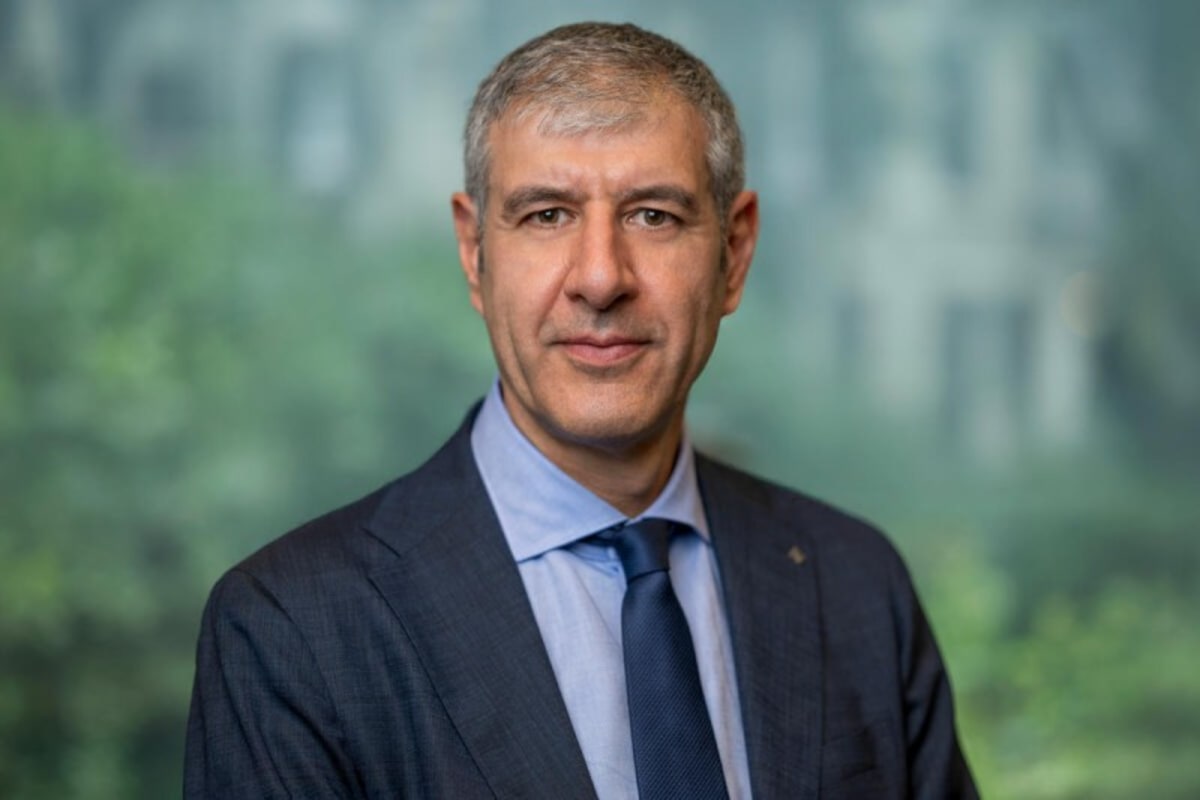
"At MSK, we've made many advances in prostate cancer treatment, but just as important, we developed more personalized evaluations to better understand each person's disease," says urologic surgeon Dr. Massimiliano Spaliviero. His team was ranked the nation's top urology program by U.S. News & World Report in 2025 for the third straight year.
For men with slow-growing, low-risk cancers, active surveillance offers a powerful alternative to immediate treatment. This isn't the same as doing nothing—patients get regular scans, bloodwork, and monitoring so doctors can intervene the moment anything changes. The approach helps thousands of men avoid the potential side effects of surgery or radiation when treatment isn't necessary yet.
When treatment is needed, patients at MSK have access to remarkable new options. High-intensity focused ultrasound targets intermediate-risk tumors with precision. Genetic sequencing helps doctors choose the right immunotherapy for each patient. A recently FDA-approved radiopharmaceutical therapy called Pluvicto is giving hope to people with metastatic cancer.
Robot-assisted surgery has become the standard approach for prostatectomies, using tiny incisions that mean less pain and often just one night in the hospital. MSK researchers are now testing ways to light up nerves during surgery so surgeons can protect them better, potentially preserving sexual function and urinary control.
Even radiation therapy has gotten smarter, with tools that can target tumors while protecting healthy tissue nearby.
The Ripple Effect
The advances happening at MSK are spreading across cancer centers nationwide. When survival rates climb this high, it creates a ripple of hope for the 300,000 American men diagnosed with prostate cancer each year. Families get more time together. Men continue pursuing their passions and careers. The fear that once came with a prostate cancer diagnosis is being replaced with confidence in effective treatment options.
Clinical trials at MSK are testing treatments that could make outcomes even better, including pelvic muscle exercises to speed recovery after surgery. These innovations don't just extend lives—they preserve quality of life, allowing men to stay active and engaged with the people they love.
A 98% survival rate isn't just a statistic; it's hundreds of thousands of futures that once seemed uncertain now filled with possibility.
Based on reporting by Google News - New Treatment
This story was written by BrightWire based on verified news reports.
Spread the positivity!
Share this good news with someone who needs it