
PsiQuantum Plans Million-Qubit Computer by 2027
A Silicon Valley startup is building a quantum computer powerful enough to solve problems that would take regular computers millions of years. The company already has $1 billion in funding and two facilities under construction.
A computer that uses particles of light could soon answer questions that would take today's machines millions of years to solve.
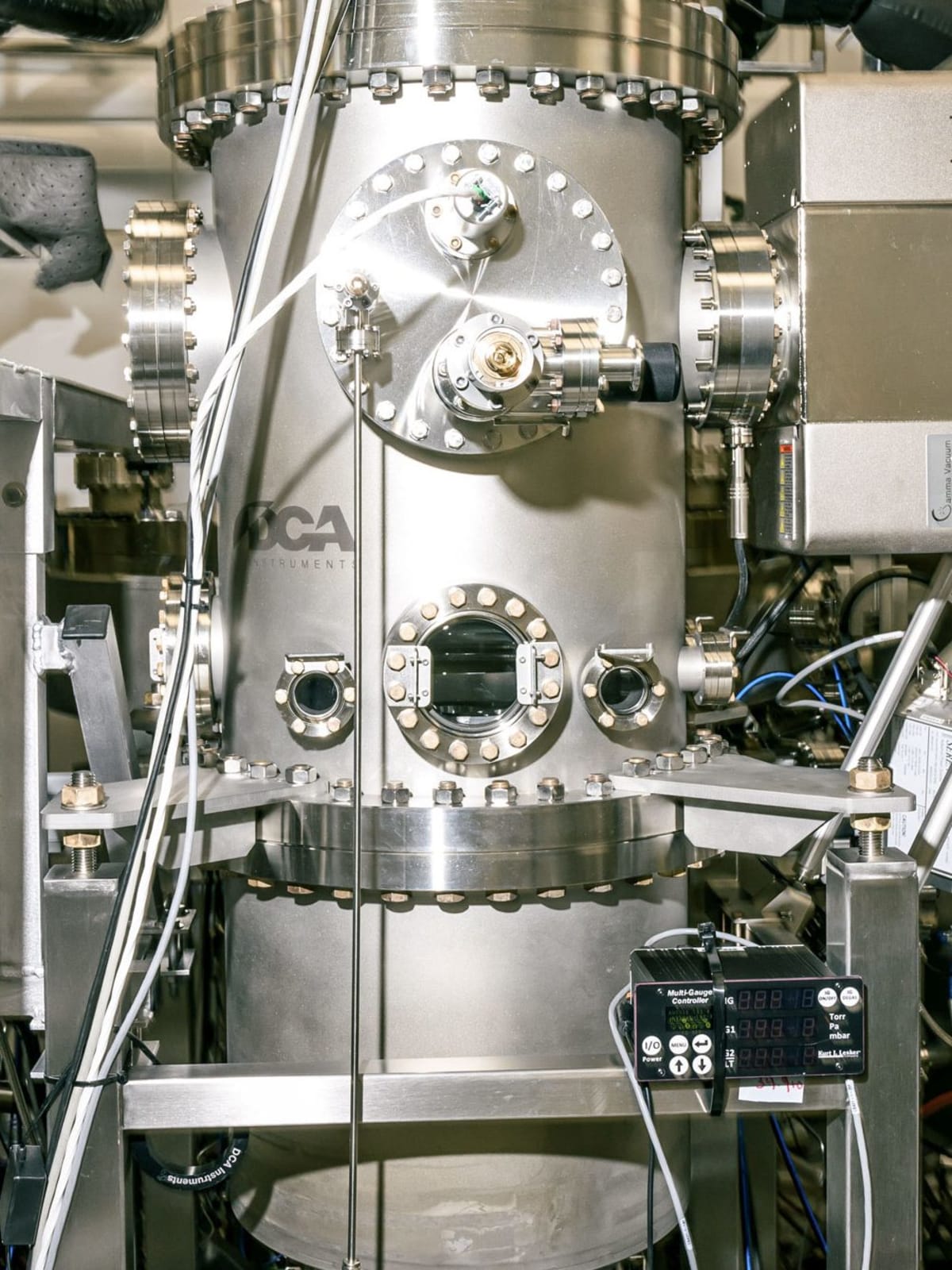
PsiQuantum, a company founded by four physicists in 2016, is racing to build the first commercially useful quantum computer. Their machine will fill 100 refrigerated cabinets, each cooled to near absolute zero, where thousands of photons will zip through optical mazes to perform calculations impossible for regular computers.
The stakes are enormous. Quantum computers harness the strange properties of quantum particles to process information in entirely new ways. While normal computer bits are either 1 or 0, quantum bits exist in multiple states at once, unlocking computational power beyond anything we have today.
PsiQuantum believes its technology could transform medicine within years. The company says it can reduce drug testing simulations from 10 years to just four minutes by precisely predicting how enzymes break down medications in the human body. That means pharmaceutical companies could design better drugs faster.
What sets PsiQuantum apart is its practical approach. Unlike competitors building small prototypes, the company is going straight for a large, useful machine. Even better, they're manufacturing their quantum chips using existing semiconductor factories, the same facilities that make regular computer chips.
Last year alone, PsiQuantum raised $1 billion in funding. The company broke ground on a facility in Chicago and is building a second site in Australia, which they promise will be hardware-ready by 2027. The U.S. government has advanced them to the final stage of an intensive evaluation program, making them one of just two quantum companies to reach that milestone.
The Bright Side
Right now, scientists can't reliably predict which lithium-ion batteries will catch fire or how fast aircraft parts will corrode. These aren't just complex problems; they're fundamentally quantum mechanical ones. At the subatomic level, particles don't have fixed properties but exist across many possibilities at once.
Current computers can't handle these calculations, so scientists rely on approximations and guesswork. A working quantum computer would change that completely, opening doors to breakthroughs in materials science, energy storage, and medicine that we can barely imagine today.
The company's prove-it moment is approaching fast. After years of closed-door development and hundreds of millions in investment, we could see results as soon as next year.
PsiQuantum's vision of cooled cabinets filled with dancing photons might sound like science fiction, but the funding, partnerships, and government backing suggest something real is taking shape.
More Images



Based on reporting by MIT Technology Review
This story was written by BrightWire based on verified news reports.
Spread the positivity!
Share this good news with someone who needs it