Psychiatrist Breaks Silence on Autism in South Asian Families
A child psychiatrist is helping South Asian families overcome the cultural shame that keeps autism diagnoses secret for years, delaying critical care. Her work reveals how family honor and stigma create barriers that traditional healthcare systems miss entirely.
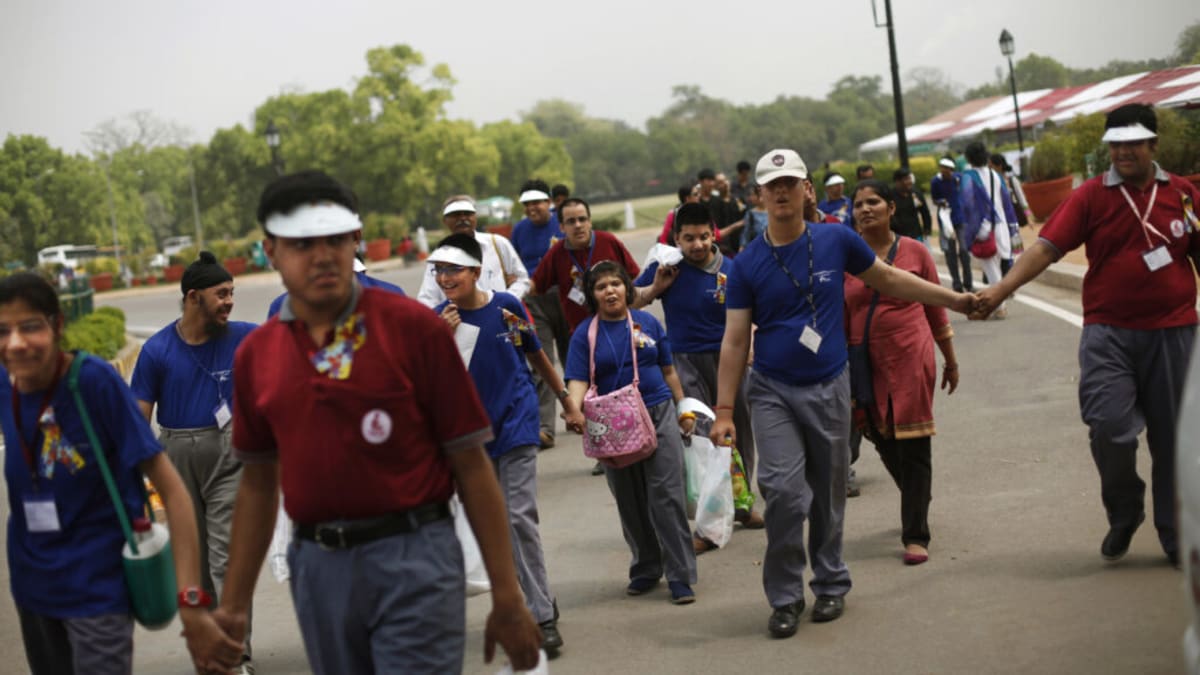
For seven years, a mother never said her son's diagnosis out loud to anyone outside her home. He had autism, but in her South Asian community, that truth felt too dangerous to share.
Dr. Ritu Goel, a child and adolescent psychiatrist in Long Beach, California, knows this silence intimately. She's witnessed the pattern at Johns Hopkins, Kennedy Krieger, and Kaiser Permanente: South Asian children diagnosed with autism up to 18 months later than white peers, not because of language or insurance barriers, but because of something harder to fix.
The barrier is stigma rooted in the concept of izzat, or family honor. In many South Asian households, a child's disability doesn't stay with that child. It attaches to grandparents, aunties, cousins, and future marriage prospects for siblings.
Then there's the karma narrative. Many South Asian spiritual frameworks interpret disability as punishment for past wrongdoing. Mothers absorb the blame for their diet, stress, genetics, and parenting choices while relatives suggest prayers and herbal remedies instead of therapy.
The result is devastating and measurable. Research shows South Asian caregivers experience emotional exhaustion that doesn't respond to rest, chronic physical symptoms, and shrinking social worlds as families withdraw to avoid judgment.
Dr. Goel recently spoke to South Asian parents through Jeena, a Southern California community organization. The relief on their faces told the story: someone finally named what they'd been carrying alone.
That seven-year-old boy whose mother kept his diagnosis secret? He spent seven years without the full range of services he was entitled to because accessing them would have required disclosure.
Why This Inspires
Dr. Goel isn't just documenting the problem. She's building solutions that meet families where they are.
Her recommendations are practical and achievable. Pediatric screening tools should recognize when parents minimize symptoms not from denial but from protecting family standing. Clinicians need real training, not cultural sensitivity modules that treat izzat and karma as exotic footnotes.
Early intervention programs need community-based navigators who share the cultural and linguistic background of the families they serve. South Asian parents will disclose to a person they trust, not to a system.
Most importantly, caregiver support must be culturally specific. Generic parent support groups don't work for mothers socialized to infinite sacrifice who feel betraying their own needs would be shameful.
The CDC reports autism now affects 1 in 31 American children, a 16% increase since 2020. That number should change how health systems allocate resources and how schools plan. But it will only reach every family when we make it safe for every parent to say their child's name and diagnosis in the same sentence.
Dr. Goel's mother at the clinic didn't need another awareness campaign. She needed someone to make disclosure safe. Now, slowly but surely, that's becoming possible.
More Images

Based on reporting by STAT News
This story was written by BrightWire based on verified news reports.
Spread the positivity!
Share this good news with someone who needs it