Psychiatrist's 4 Daily Habits Can Transform Your Happiness
After two decades of practice, a New York psychiatrist discovered the happiest people share one trait: practical optimism paired with four simple daily habits. Her research shows optimists live longer, healthier lives with 35% lower heart disease risk and 40% less dementia.
Want to be happier and live longer? A psychiatrist says she's cracked the code, and it's simpler than you think.
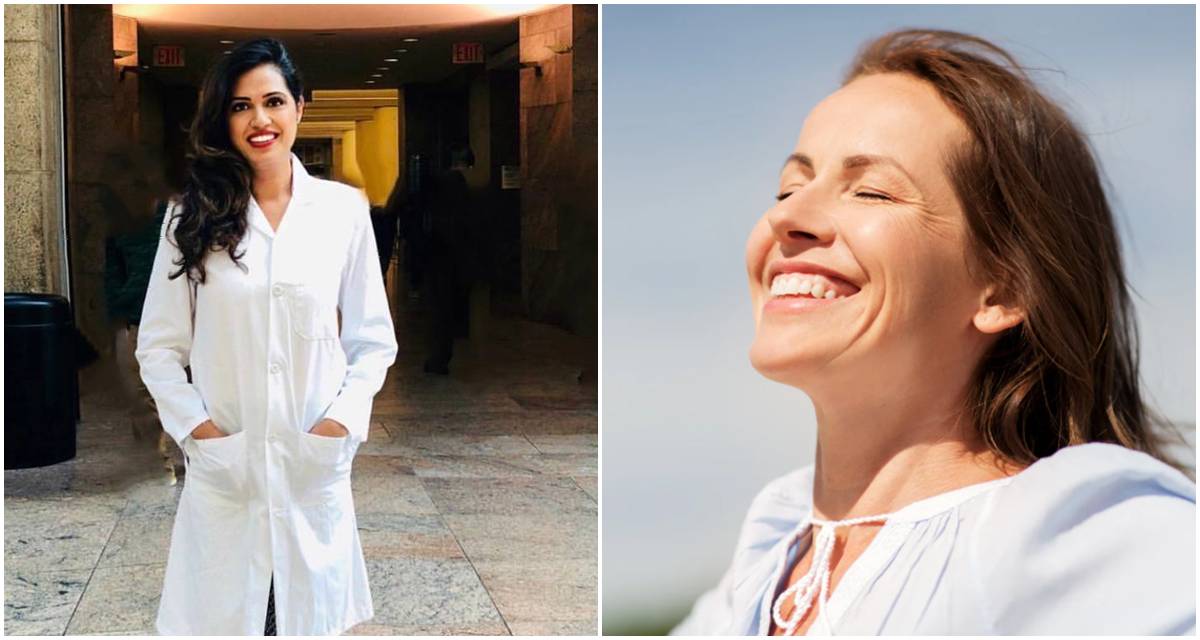
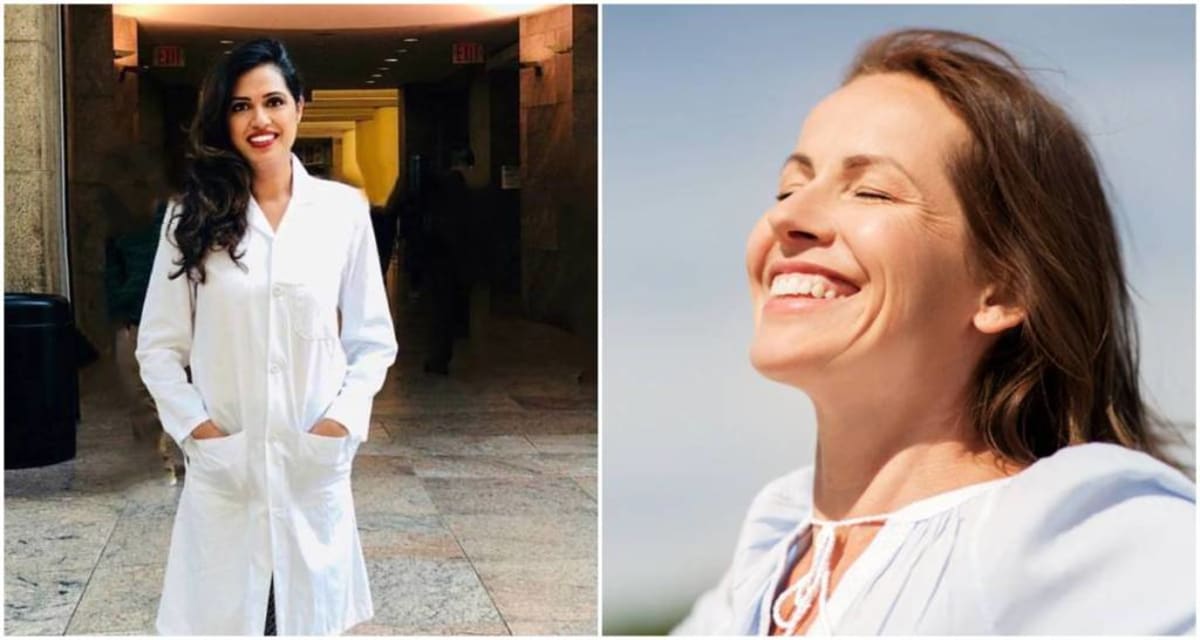
Dr. Sue Varma has spent over 20 years working with patients in New York City, and she noticed something striking. The happiest people in her practice all shared a common approach to life: they paired positive thinking with specific, concrete actions.
She calls it practical optimism, and it's nothing like toxic positivity. This isn't about pretending problems don't exist or plastering on a fake smile. Instead, it's about accurately assessing risks while building up your ability to handle whatever comes your way.
The science backs up why this matters. Optimistic people have a 35% lower risk of heart attack and stroke compared to pessimists. They also face 40% less risk of developing dementia.
Varma explains that pessimism keeps people stuck in two ways. First, pessimists overestimate how likely bad things are to happen. Second, they underestimate their own ability to cope when challenges arise.
To help people shift toward practical optimism, Varma developed what she calls the 4 Ms. These are four daily habits that create lasting change when practiced consistently.
The first M is mindfulness. This means spending just a few minutes each day fully present in the moment. It could be drinking your morning coffee without scrolling your phone, watching a sunset, or doing a brief meditation.
The second M is mastery. Find something you do purely for enjoyment, not for work or obligation. You don't need to be perfect at it. The goal is simply wanting to improve at something that brings you joy.
Movement is the third M. Any physical activity counts, whether that's walking, gardening, dancing, or playing with kids. Moving your body triggers the release of feel-good chemicals like endorphins and dopamine that immediately improve your mood.
The fourth M is meaningful engagement. Varma notes that many people, especially younger ones, stay stuck in shallow relationships. Real connection happens when you share something vulnerable with others and ask for help when you need it.
Why This Inspires
What makes Varma's approach so powerful is that it transforms optimism from a personality trait into a learnable skill. You don't have to be born naturally positive to reap the benefits. By taking small, concrete actions each day through the 4 Ms, anyone can train their brain toward a more hopeful outlook.
The beauty of these habits is their simplicity. You don't need special equipment, expensive classes, or hours of free time. A few minutes of mindfulness here, a hobby there, a short walk, and deeper conversations with people you care about add up to measurable improvements in both mental and physical health.
Varma's framework shows that happiness isn't about ignoring reality or waiting for circumstances to improve. It's about building practical skills that help you navigate life's ups and downs with resilience and hope, one small action at a time.
More Images



Based on reporting by Upworthy
This story was written by BrightWire based on verified news reports.
Spread the positivity!
Share this good news with someone who needs it