Psychiatry's Guidebook Gets Major Science-Based Update
Mental health diagnosis could become more accurate and personalized as psychiatry's main manual faces its biggest scientific overhaul in decades. The changes aim to align mental health treatment with how brains actually work.
After decades of criticism from scientists, psychiatry's most important guidebook is getting a major makeover that could transform how millions get diagnosed and treated.
The Diagnostic and Statistical Manual of Mental Disorders, known as the DSM, has guided mental health professionals since 1980. Now the American Psychiatric Association announced plans to overhaul the manual to better reflect actual brain science instead of just symptom checklists.
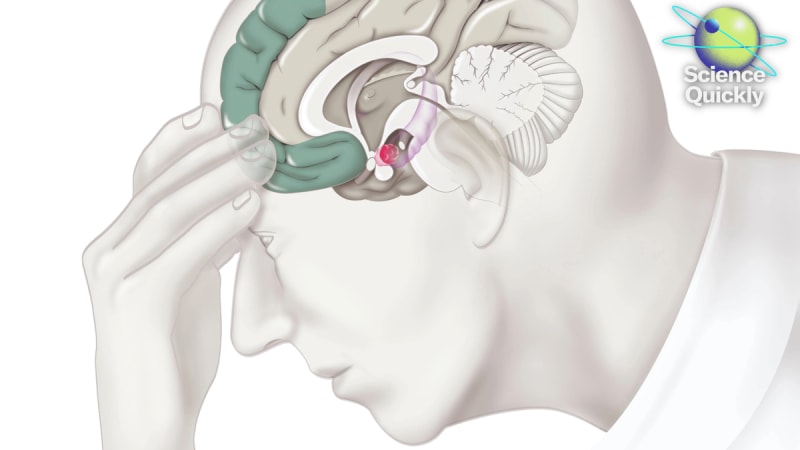
The current system lets doctors reliably agree on diagnoses like major depression or ADHD. But research in neuroscience and genetics revealed a problem: those neat categories don't match what's actually happening in people's brains.
"These buckets are a little bit made up," explains Allison Parshall, associate editor at Scientific American. The diagnoses help organize treatment, but they don't represent biological reality the way a broken bone or bacterial infection does.
The proposed changes would give mental health professionals more flexibility. Instead of forcing every patient into one of nearly 300 specific disorder categories, clinicians could describe what someone is experiencing without being overly precise when the science doesn't support it.
The new approach would also consider more factors beyond symptoms. Doctors could account for a person's life circumstances, trauma history, and other elements that influence mental health, creating more personalized treatment plans.
Why This Inspires
This overhaul represents something rare: a major institution admitting its methods need updating and actually doing something about it. For the 57 million Americans living with mental illness, this could mean more accurate diagnoses and better targeted treatments.
The changes acknowledge what many patients already knew. Mental health isn't one-size-fits-all, and trying to squeeze complex human experiences into rigid boxes often misses the mark.
By aligning diagnosis with actual science, psychiatry is taking a crucial step toward treating mental health with the same evidence-based precision as physical health. The proposals are still under review, but they signal a future where getting mental health help means getting help that truly fits.
Millions who've felt misunderstood by the current system finally have reason to hope for care that sees them as individuals, not categories.
More Images


Based on reporting by Scientific American
This story was written by BrightWire based on verified news reports.
Spread the positivity!
Share this good news with someone who needs it