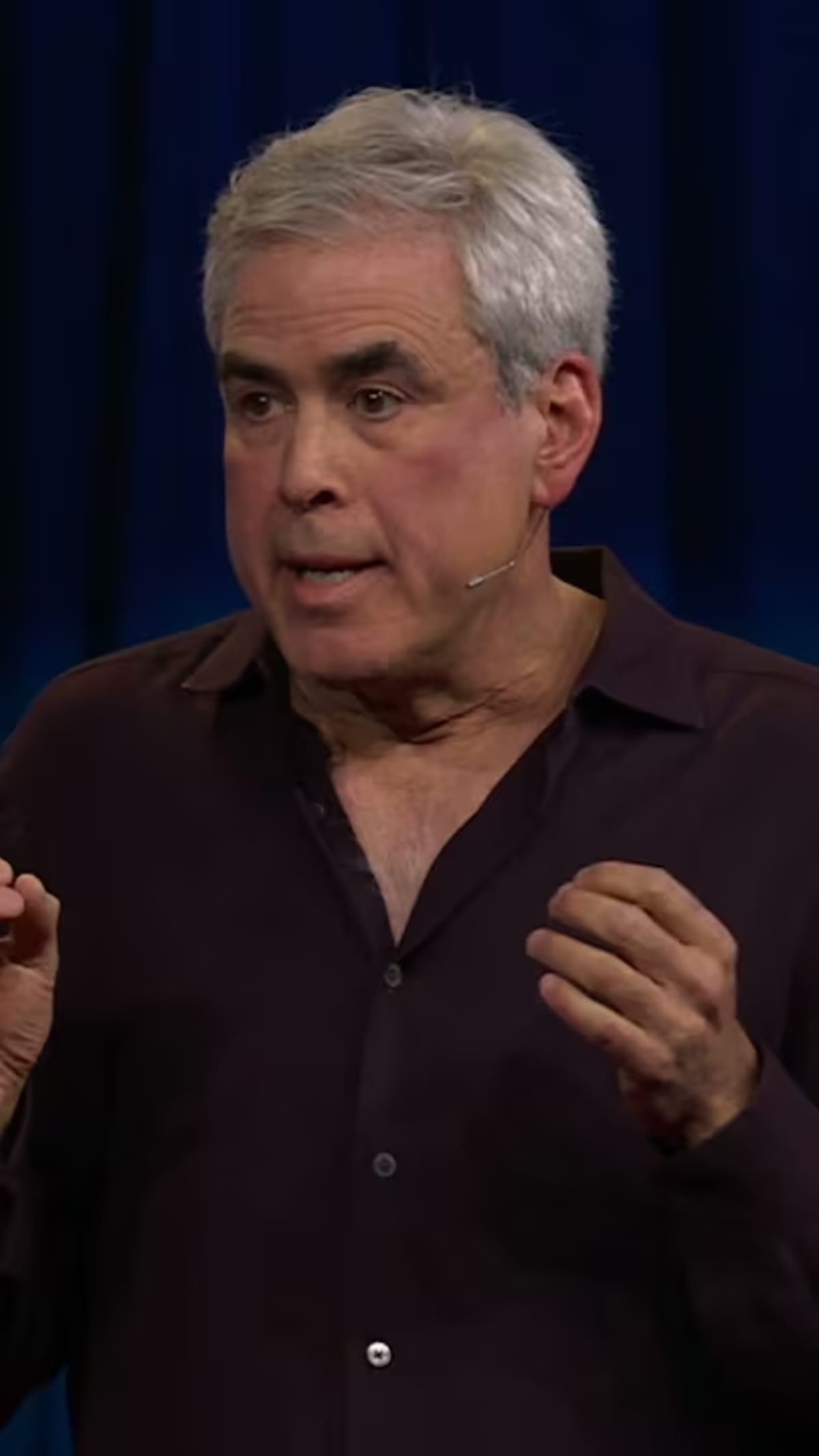
Psychologist Offers Hope for Screen-Addicted Kids
Social psychologist Jonathan Haidt returns to TED with updated insights on childhood screen addiction, bringing both concern and surprising optimism. Two years after warning the world in "The Anxious Generation," he's sharing three principles that could help rescue connection from devices.
Humans aren't just social creatures. We're ultrasocial, wired like bees and ants for deep, meaningful connection with each other.
But something fundamental shifted when smartphones invaded childhood, tablets replaced textbooks, and AI companies began targeting our kids. Social psychologist Jonathan Haidt has been tracking this transformation closely, and he's back with an update that parents need to hear.
In his latest TED talk, Haidt revisits the alarm he sounded two years ago in his book "The Anxious Generation." The news isn't all grim though. He's actually feeling more hopeful now than he was then.
Haidt introduces three principles of what he calls "technoskepticism." These aren't anti-technology rules. They're thoughtful guidelines for protecting the human connections that children desperately need to thrive.
The stakes are real. When devices disrupt our ultrasocial wiring during crucial developmental years, kids miss out on the face-to-face interactions that build emotional resilience, empathy, and social skills. Screen time isn't just replacing outdoor play. It's rewiring how an entire generation learns to connect.
Why This Inspires
What makes Haidt's message powerful is the balance. He's not calling for a complete tech ban or a return to the Stone Age. He's offering practical wisdom for families trying to navigate an unprecedented challenge.
His increased hope comes from seeing more parents, schools, and even some tech leaders recognizing the problem. The conversation has shifted from "if" there's an issue to "how" we solve it together.
Parents across the country are forming phone-free school movements. Districts are rethinking one-to-one device programs. Families are rediscovering dinner table conversations without the glow of screens.
The research backing Haidt's work shows clear patterns. Kids with less screen time report better mental health, stronger friendships, and more life satisfaction. The data supports what many parents instinctively feel.
Real change happens when individuals take small steps that create cultural shifts. Every family that sets device boundaries makes it easier for the next family to do the same.
Haidt's technoskepticism isn't about fear. It's about reclaiming what makes us human in an age trying to make us more digital.
Based on reporting by TED
This story was written by BrightWire based on verified news reports.
Spread the positivity!
Share this good news with someone who needs it