Puducherry's Third Gender Voters Show Up at 92%
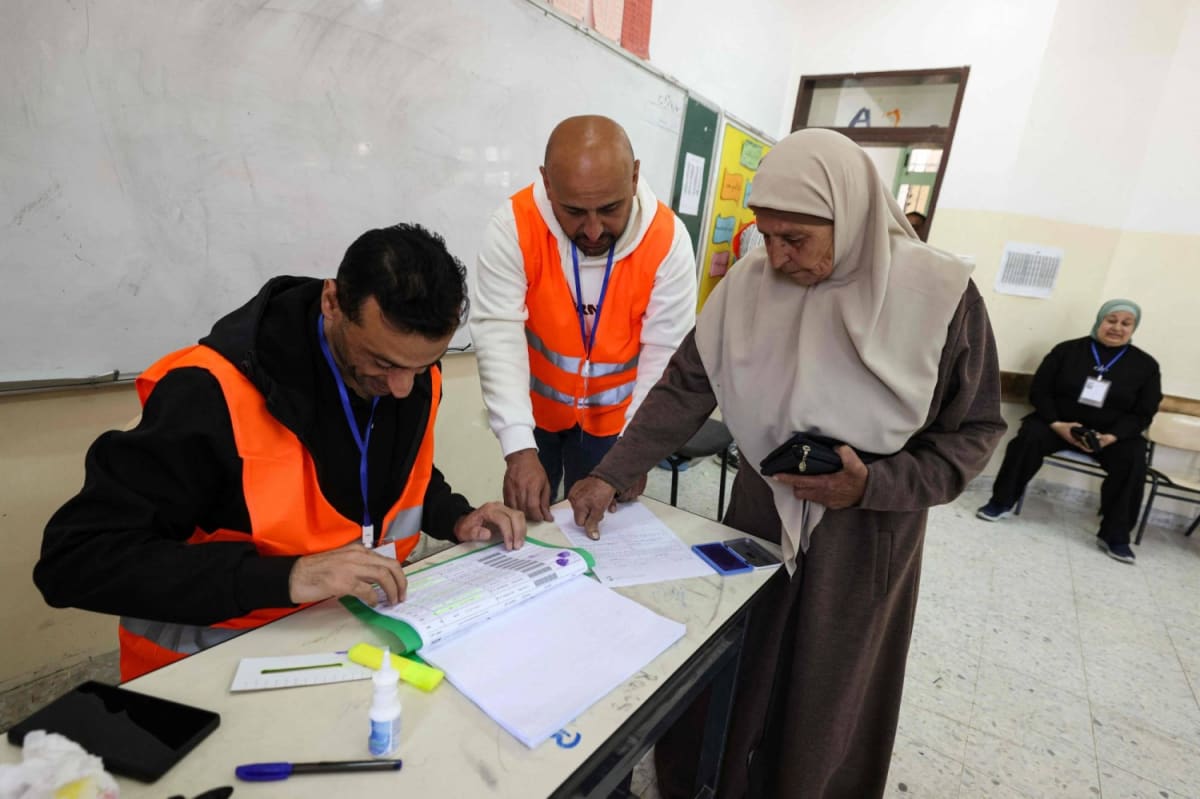
In a powerful display of civic engagement, Puducherry recorded a remarkable 91.81% voter turnout among third gender electors during recent Assembly polls. The participation rate outpaced the national average and highlights growing political inclusion across India.
When democracy calls, some communities answer louder than others. Puducherry's third gender voters just proved that inclusion and participation go hand in hand, turning out at an impressive 91.81% during the recent Assembly elections.
The Election Commission's data shows that 139 third gender electors in Puducherry cast their ballots between April 9 and April 23. Their participation rate soared well above other regions and demonstrated the community's commitment to having their voices heard.
The numbers tell a broader story of progress. Tamil Nadu recorded 7,728 third gender electors with a 60.49% turnout, while West Bengal's first phase saw 465 electors achieve a 56.79% participation rate. Across India, third gender citizens are increasingly exercising their democratic rights.
This milestone reflects years of advocacy and legal recognition. Since India officially recognized third gender identity, electoral participation has become a meaningful way for the community to influence policies that affect their lives.
The Ripple Effect
High voter turnout among marginalized communities sends a powerful message about representation. When third gender citizens participate at rates exceeding 90%, it demonstrates both their investment in democracy and the system's growing accessibility.
Election officials have worked to make polling stations more welcoming through sensitization training and inclusive practices. These efforts create environments where every voter feels respected and empowered to participate.
The Puducherry achievement sets a benchmark for inclusive democracy. Other regions are now studying what made this participation possible, from voter education programs to community outreach initiatives that specifically engaged third gender electors.
Beyond the numbers, each vote represents a person claiming their rightful place in shaping their community's future. Third gender citizens are parents, workers, artists, and neighbors who deserve equal say in governance.
This turnout proves that when barriers fall and respect rises, democracy strengthens for everyone.
Based on reporting by The Hindu
This story was written by BrightWire based on verified news reports.
Spread the positivity!
Share this good news with someone who needs it