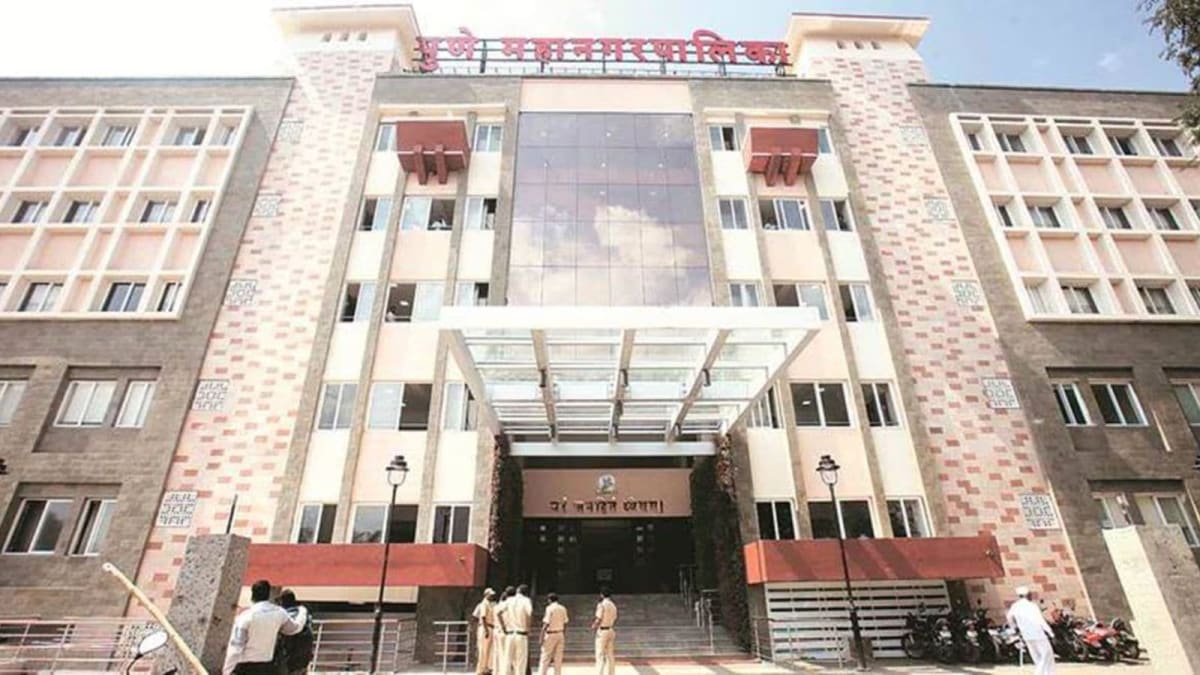
Pune Protects 12,000 Workers from Deadly Heat
India's Pune city just rolled out heat safety guidelines that could save lives as temperatures hit 40°C. Workers now get shade, water stations, and cooler work hours during extreme heat.
When temperatures climbed past 40 degrees Celsius in Pune, city officials didn't wait for tragedy to strike. They launched comprehensive heat protection guidelines for 12,000 outdoor workers, ensuring everyone from street sweepers to construction crews can work safely during India's scorching summer.
The new rules are simple but lifesaving. Workers should wear light colored cotton clothes instead of dark fabrics that trap heat. They'll avoid the brutal midday sun between 12 pm and 3 pm when temperatures peak.
Nitin Kenjale, Pune's chief labour officer, explained the urgency behind the move. "This year the heat is very intense in the city, which is likely to have an adverse impact on the health of labourers," he said. The city isn't taking chances with its workforce.
The protection goes beyond clothing advice. Pune's civic departments must now provide shade structures at work sites and ensure drinking water is always available. Workers get access to coconut water, buttermilk, and lemon juice to stay hydrated.
Officials trained workers to recognize heatstroke warning signs like dizziness, vomiting, and excessive sweating. Anyone experiencing symptoms can immediately seek medical help, catching problems before they become life threatening.
The timing shift matters most. During heat alerts, outdoor work now happens in cooler windows from 6 am to 11 am and 4 pm to 8 pm. Mandatory rest breaks protect workers during the dangerous afternoon hours.
The Ripple Effect
Pune's action reflects a broader awakening across India's most heat vulnerable regions. Maharashtra state released comprehensive heat safety guidelines covering construction, industrial work, and street vending across 15 high risk districts.
The policy includes special protections for women workers, ensuring adequate lighting, transportation, and safety facilities. These aren't optional suggestions but mandatory requirements that employers must follow.
Maharashtra ranks among India's 10 most heat vulnerable states, with 15 districts facing extreme temperatures. Cities like Latur, Nagpur, and Nanded now have standardized protection for their most exposed workers.
The move comes as climate change pushes urban temperatures higher each year. What was once an occasional concern has become a daily challenge requiring systematic solutions.
By treating worker safety as essential infrastructure, Pune sets an example other cities can follow. Heat doesn't have to be deadly when communities take practical steps to protect their people.
Based on reporting by Indian Express
This story was written by BrightWire based on verified news reports.
Spread the positivity!
Share this good news with someone who needs it