Punjab Plants 3M Trees, Creates 15K Jobs Across 1,600 Villages
Villages across Punjab are transforming barren land into thriving mini forests through a seven-year initiative that's planted over 3 million native trees. The project has created over 15,000 jobs while bringing back wildlife and helping communities adapt to climate change.
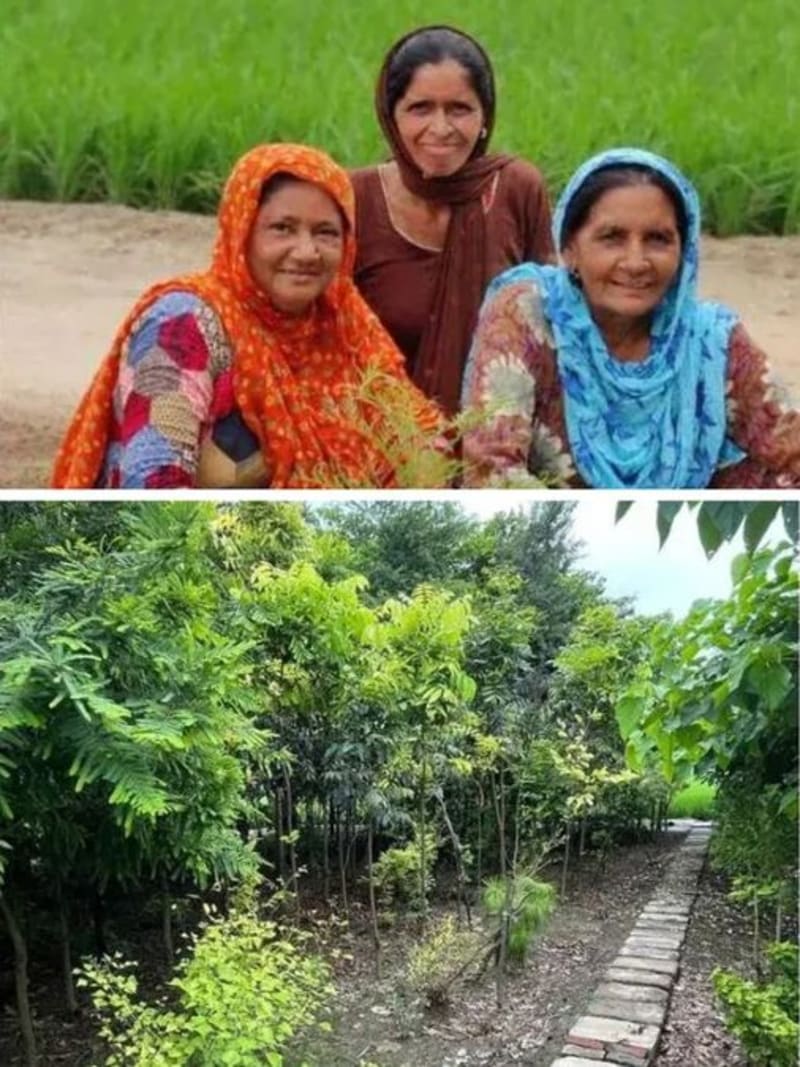
When Inderjit Singh walks through the trees he planted near his farm in Punjab, he hears something that hadn't filled the air in years: birdsong. "It feels like a forest that belongs to all of us," says the farmer from Rajinder Nagar.
Since March 2019, the Billion Tree Project by Roundglass Foundation has been quietly rewriting Punjab's environmental story. The initiative started with a simple goal: plant native species like desi beri and phulai to revive the region's struggling ecosystems.
Seven years later, the results speak for themselves. Over 3 million trees now stand where barren land once stretched, covering more than 1,600 villages across Punjab.
But planting was just the beginning. Project coordinator Vishal explains that the real work happens in the months and years after each sapling goes into the ground: watering, pruning, and protecting until the trees can survive on their own.
The project nurtures saplings for up to 30 months, creating steady work in rural communities. Women and youth make up 70% of the care workforce, turning environmental restoration into economic opportunity.
By 2024, the initiative had generated over 15,000 jobs through India's MGNREGA rural employment program. These aren't temporary positions but sustained work that lasts as long as young forests need human help.
The Ripple Effect
The environmental benefits reach far beyond green landscapes. Native trees conserve water better than non-native species, improve soil fertility, and capture rainwater during monsoons.
For farmers facing increasingly unpredictable weather, these mini forests offer practical climate adaptation. Better soil means better crops. More water retention means security during dry spells.
Wildlife has noticed too. Birds and insects have returned to areas where they'd disappeared, rebuilding food chains and pollinating crops. The balance between human agriculture and nature is slowly returning.
Villages and government agencies provide the land, but local communities take ownership of the forests. This shared responsibility ensures the trees get protection for decades, not just seasons.
Schools have turned the mini forests into outdoor classrooms where children learn ecology by touching bark and watching seedlings grow. The next generation is learning conservation through experience, not just textbooks.
Satellite mapping tracks every mini forest, monitoring survival rates and growth over time. Technology ensures accountability while celebrating progress in real numbers.
Each tree planted represents an act of faith. It's a bet that the land can heal, that communities can thrive, and that nature will respond when given a chance.
Based on reporting by The Better India
This story was written by BrightWire based on verified news reports.
Spread the positivity!
Share this good news with someone who needs it