Punjab Removes Casteist Terms From State Survey Forms
After Dalit groups raised concerns, Punjab's government swiftly removed discriminatory caste terminology from forms used in a major state survey. The change affects a groundbreaking effort to document drug abuse and socioeconomic conditions across the state.
When community activists spotted hurtful language on official government forms, Punjab's leaders listened and acted fast.
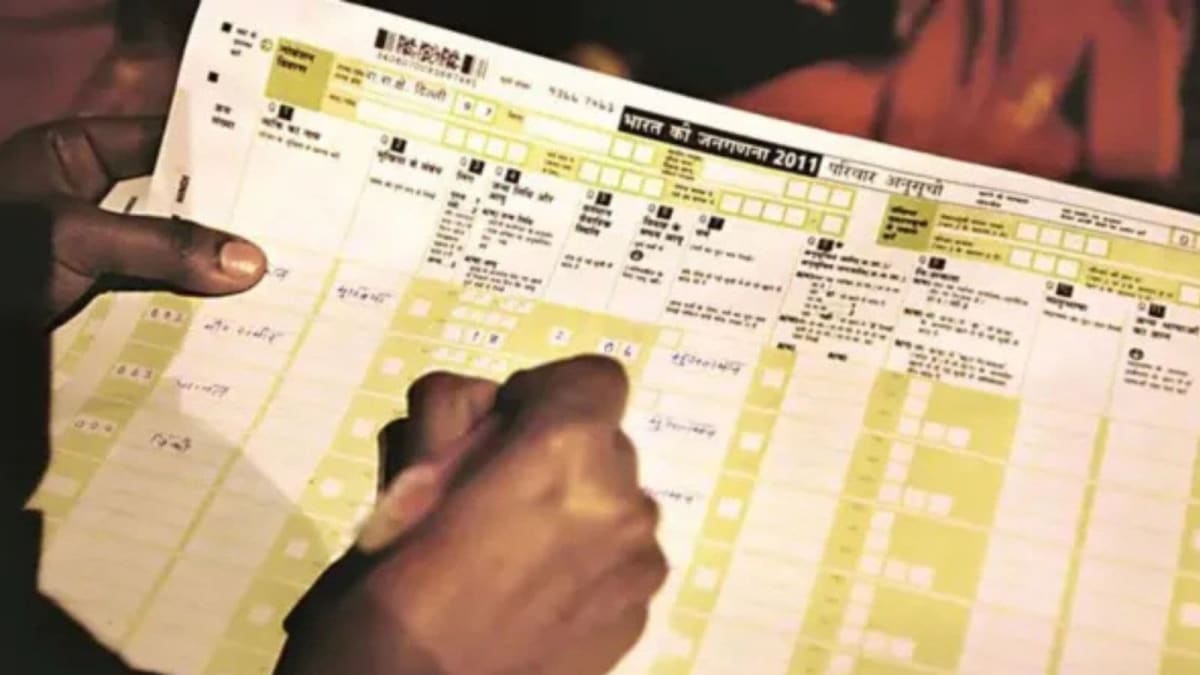
Chief Minister Bhagwant Mann approved the removal of two casteist words from survey forms this week, replacing them with respectful terminology. The forms are part of Punjab's drug and socioeconomic census, a first-of-its-kind state effort to understand substance abuse patterns and help affected families.
Dalit organizations flagged the problematic language soon after the survey launched. The terms in question were caste-indicative words that officials said came from decades-old Census formats dating back to 1950.
The National Commission for Scheduled Castes took notice and demanded action. Punjab's State Scheduled Castes Commission joined in, calling the language "insulting and socially discriminatory."
The government's response came within days. A senior official confirmed that the decision prioritized community feelings over bureaucratic tradition.
The Department of Rural Development and Panchayats, which runs the census, received orders to update all forms immediately. Director of Census Operations Navjot Khosa emphasized the department's commitment to conducting the survey with "sensitivity, transparency, and inclusivity."
The Ripple Effect
This quick course correction shows how citizen voices can reshape government practices that have gone unquestioned for generations. What started as outdated paperwork became an opportunity to modernize how officials communicate with dignity.
The survey itself remains an ambitious project. Punjab is pioneering a dual approach that maps both drug abuse patterns and the social circumstances of affected households, giving policymakers better tools to address a serious public health challenge.
The change also sets a precedent for reviewing other government documents. If 70-year-old forms contained discriminatory language, how many other official papers need updating?
Community leaders who raised the concern demonstrated that speaking up works. Their vigilance caught something that had slipped past officials for decades.
The updated forms now move forward with language that respects every person counted, proving that progress doesn't require starting over—sometimes it just means listening and making things right.
Based on reporting by Indian Express
This story was written by BrightWire based on verified news reports.
Spread the positivity!
Share this good news with someone who needs it