Purple Corn Could Replace Artificial Food Dyes Nationwide
Scientists at the University of Missouri have turned South American purple corn into a stable, healthy alternative to petroleum-based food dyes. The breakthrough could transform how America colors everything from juice boxes to sports drinks.
Imagine replacing artificial red dye in your child's fruit juice with the same natural pigment that makes blueberries blue. Scientists at the University of Missouri just made that future possible.
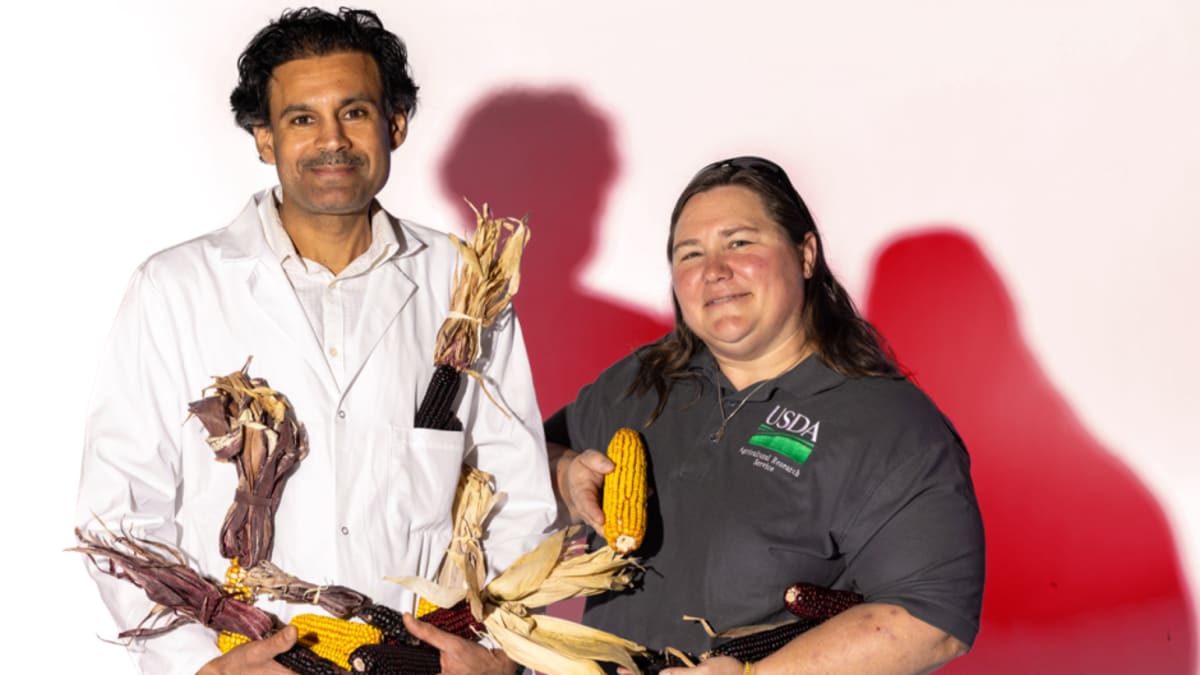
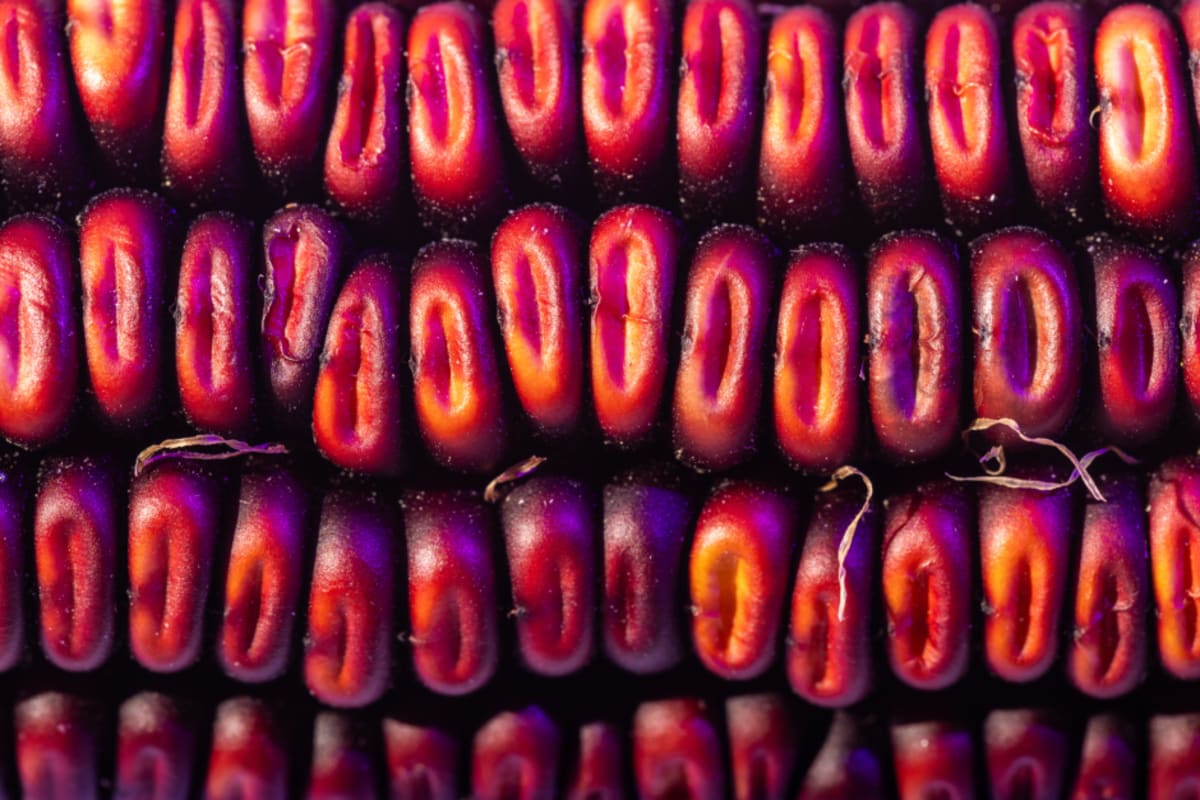
Researchers at Mizzou's College of Agriculture are transforming a purple variety of corn, traditionally grown in South America, into a viable replacement for synthetic food dyes like Red No. 40 and Red No. 3. The vibrant colors come from anthocyanins, the same natural compounds found in grapes and red cabbage.
Unlike petroleum-based artificial dyes added purely for looks, these plant pigments pack a health bonus. Anthocyanins are rich in antioxidants known for reducing inflammation and supporting heart health.
The real breakthrough isn't just finding a natural alternative. It's making one that actually works in real-world food manufacturing.
"Most natural colors are fragile," said Pavel Somavat, a researcher with joint appointments at Mizzou's agriculture and engineering colleges. "They tend to break down when exposed to heat, light or oxygen."
That fragility has blocked food companies from ditching synthetic dyes for decades. Ingredients must survive processing temperatures up to 250 degrees and stay stable on shelves for months.
Somavat's team cracked the code. After exposing purple corn colorants to high processing temperatures for one hour, about 75% of the color compounds remained intact. When they coated the pigments in protective, food-grade materials, retention jumped to nearly 97% for some compounds.
The researchers then tackled one of the toughest tests: beverages. Acidic drinks exposed to light and stored for weeks typically destroy plant-based dyes fast.
Purple corn passed with flying colors. After seven weeks of refrigerated storage in acidic and basic environments, color loss was minimal. That makes it perfect for fruit juices, flavored waters, and sports drinks.
The Ripple Effect
This discovery could reshape American agriculture too. Missouri ranks among the nation's top corn producers, but farmers grow almost exclusively standard yellow varieties.
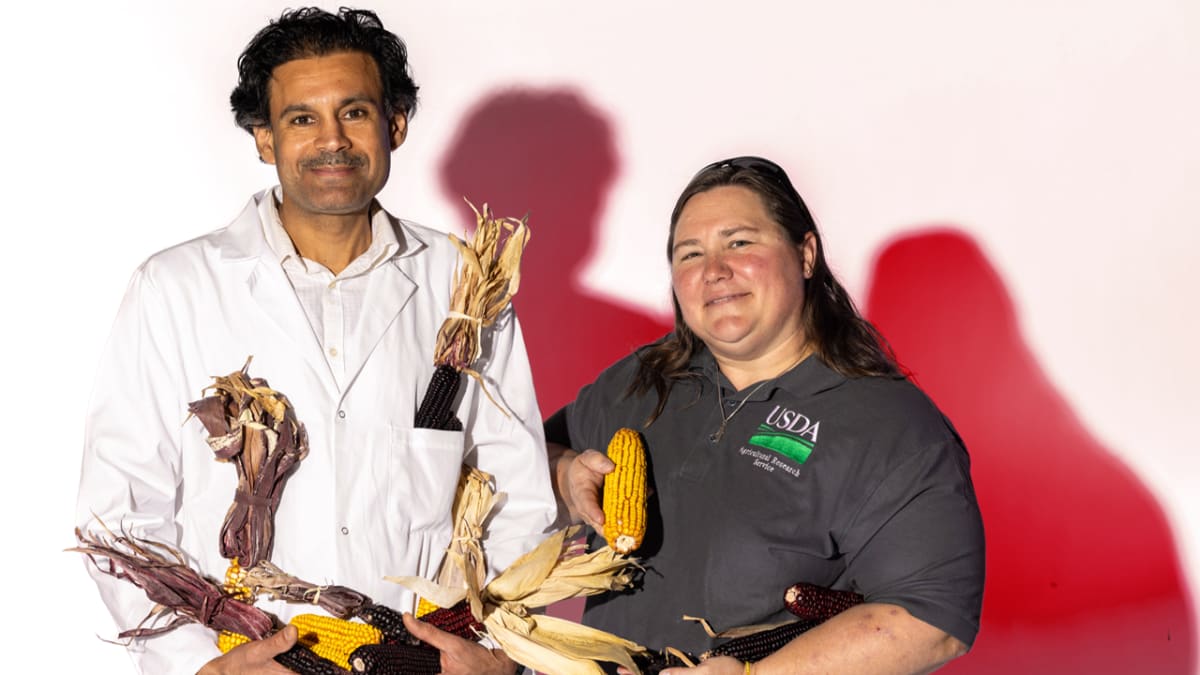
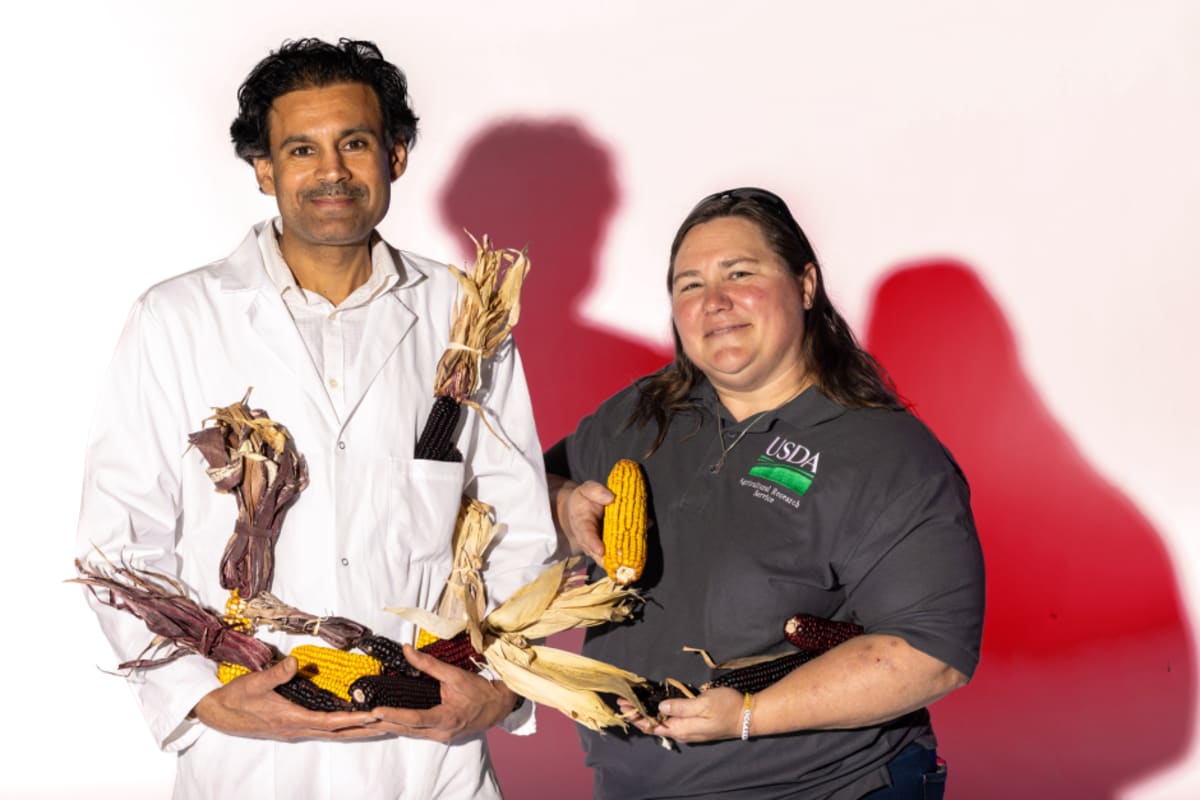
For five years, Mizzou researchers have been adapting purple corn to Midwest growing conditions. Working with USDA research geneticist Sherry Flint-Garcia, they're developing hybrid varieties that combine intense color with strong Corn Belt performance.
"Some of the most colorful types don't grow well here, so we're crossbreeding them with types of corn that already do well in places like Missouri," Flint-Garcia explained. That means Missouri farmers could soon diversify their crops and revenue streams while feeding demand for healthier food ingredients.
The implications reach beyond farms and factories. For families trying to avoid artificial additives, this research offers something rare: a natural alternative that actually performs as well as synthetic options.
Food manufacturers get cleaner labels without sacrificing shelf life or appearance. Consumers get products with potential health benefits instead of petroleum derivatives. And farmers get new economic opportunities.
Your juice box might soon be colored by corn grown right here in America's heartland.
More Images

Based on reporting by Google News - Scientists Discover
This story was written by BrightWire based on verified news reports.
Spread the positivity!
Share this good news with someone who needs it