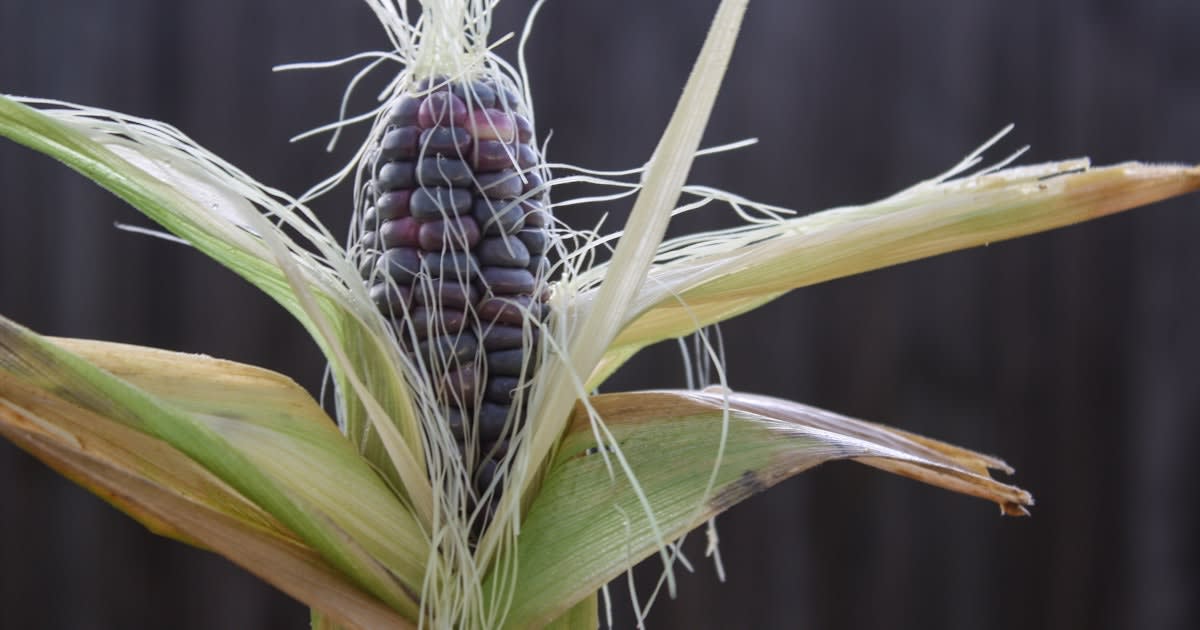
Purple Corn May Replace Artificial Dyes in Your Food
Missouri scientists have cracked the code on making natural food dyes from purple corn that survive manufacturing heat and months on store shelves. The breakthrough could finally replace petroleum-based artificial dyes with antioxidant-rich colors from corn grown right here in the Midwest.
University of Missouri researchers have turned a vibrant purple variety of corn into a stable, healthy alternative to the artificial dyes coloring everything from sports drinks to candies.
The team tackled the biggest challenge facing natural food coloring: durability. Most plant-based dyes break down when exposed to heat, light, or oxygen, making them impractical for mass-produced foods that must survive processing temperatures up to 250 degrees and months on shelves.
Purple corn gets its deep color from anthocyanins, the same natural pigments that make blueberries blue and grapes purple. Unlike petroleum-based Red No. 40 and Red No. 3, these pigments are packed with antioxidants that reduce inflammation and support heart health.
The breakthrough came when researchers tested how purple corn pigments held up under real manufacturing conditions. After one hour at high processing temperatures, 75% of the color compounds remained intact. When they coated the pigments in protective, food-grade materials, that number jumped to 97%.
"If the color looks good after heating, that's what matters to manufacturers," said Pavel Somavat, who led the research team.
The real test came in beverages, one of the harshest environments for natural dyes. Drinks are acidic, exposed to light, and stored for weeks. Purple corn colorants held strong in both acidic and basic conditions, losing minimal color even after seven weeks of refrigerated storage.
The Ripple Effect
This discovery could transform both what Americans eat and what Midwest farmers grow. Missouri is already one of the nation's top corn producers, and researchers have spent five years adapting purple corn varieties to thrive in the Corn Belt.
By crossbreeding the most colorful South American varieties with corn that already grows well in Missouri, they're creating hybrids that balance vibrant pigments with strong yields. That means local farmers could diversify their crops while food companies gain access to a domestic supply of natural colorants.
For consumers scanning ingredient labels, the change could mean swapping petroleum-based additives for colorful corn that actually adds nutritional value. Food manufacturers get cleaner labels without sacrificing the bright colors that attract shoppers.
The science proves that natural doesn't have to mean fragile, opening the door for plant-based colors across the entire food industry.
More Images



Based on reporting by Google News - Scientists Discover
This story was written by BrightWire based on verified news reports.
Spread the positivity!
Share this good news with someone who needs it