Qatar Foundation Expands Global Disability Rights Partnership
Qatar's leading social work foundation just stepped onto the world stage at the UN, strengthening global cooperation to advance rights for people with disabilities. The move opens doors for expertise sharing and partnership building across borders.
When the United Nations Committee on the Rights of Persons with Disabilities gathered in Geneva this month, Qatar Foundation for Social Work (QFSW) was there to make sure civil society voices were heard loud and clear.
The Foundation participated in the committee's 35th session at UN headquarters, marking an important step in global cooperation for disability rights. CEO Rashid Mohammed Al-Naimi delivered a statement during the special session for civil society organizations, representing Qatar's commitment to this critical human rights issue.
QFSW holds consultative status with the UN Economic and Social Council, giving it a formal seat at the table where international disability policy takes shape. That status matters because it ensures people working directly with disabled communities can influence the decisions that affect their lives.
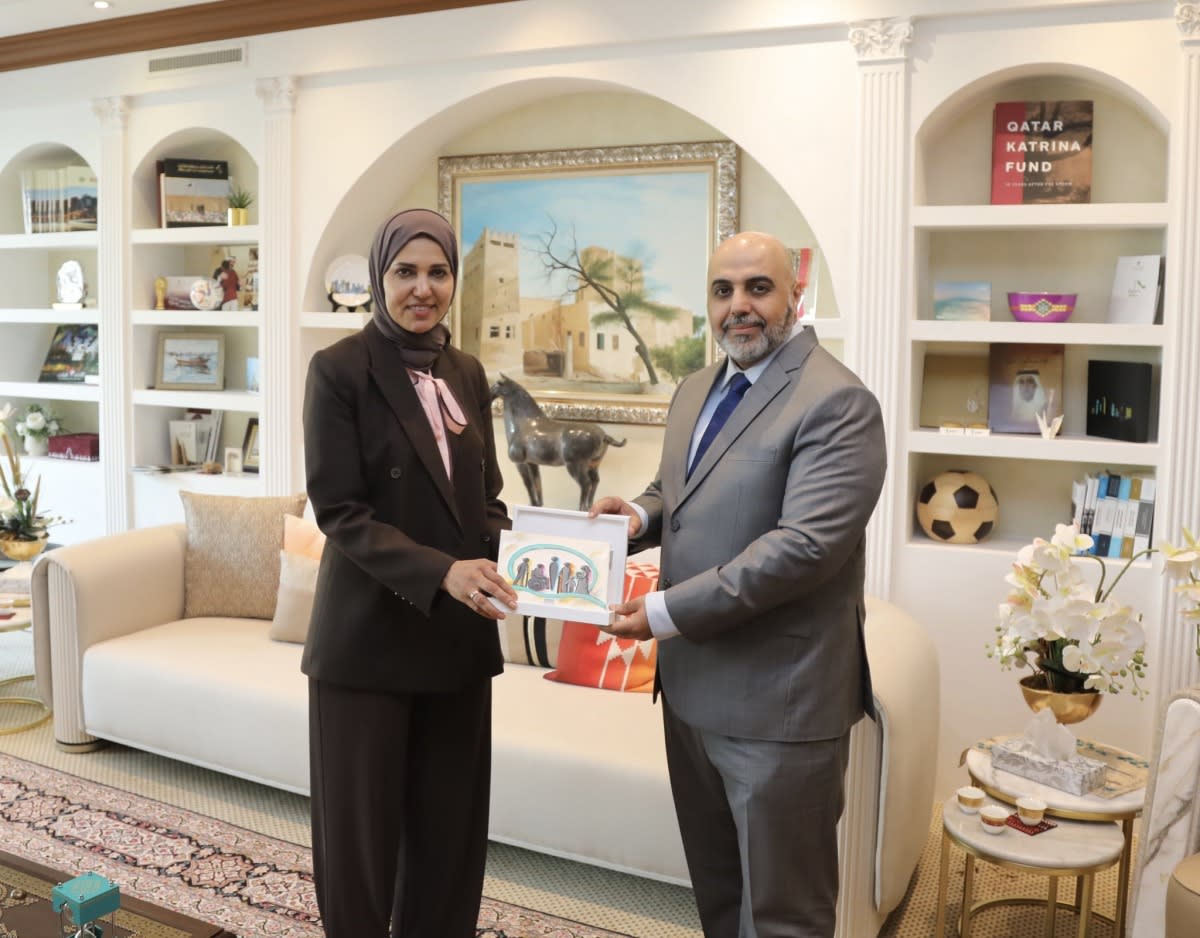
During the visit, Al-Naimi met with Qatar's Permanent Representative to the UN in Geneva, Dr. Hind Abdulrahman Al Muftah. They discussed how the Foundation and its affiliated centers can participate in Human Rights Council proceedings and organize side events in cooperation with Qatar's Permanent Mission.
The Foundation's delegation also connected with Dr. Nawaf Kabbara, who leads both the International Disability Alliance and the Arab Organization of Persons with Disabilities. Their conversations focused on practical cooperation: capacity building in advocacy, strengthening understanding of the Convention on the Rights of Persons with Disabilities, and sharing what actually works on the ground.
The Ripple Effect
This kind of international partnership creates ripples far beyond a single meeting in Geneva. When organizations share expertise and best practices across borders, innovations that help people in one country can quickly reach communities halfway around the world.
Civil society groups bring something irreplaceable to UN discussions: they work directly with the people these policies affect. Their presence ensures that international agreements reflect real needs, not just diplomatic abstractions.
For Qatar Foundation for Social Work, this participation opens new channels for bringing global expertise home while sharing what they've learned with partners worldwide. That two-way exchange strengthens disability rights advocacy everywhere.
The Foundation's presence at the UN shows how civil society cooperation is building a more inclusive world, one partnership at a time.
Based on reporting by Google: cooperation international
This story was written by BrightWire based on verified news reports.
Spread the positivity!
Share this good news with someone who needs it