QR Code Lockets Help Reunite Missing Loved Ones in India
After 12 years lost on Mumbai's streets, a mother reunited with her sons thanks to compassionate police work. A simple QR code pendant technology is now helping families find missing loved ones faster.
A mother wandered the streets of Mumbai for 12 years before finding her way home.
Godavari Raut, now in her 70s, got separated from her sons during what should have been a simple family visit to Mumbai in 2014. She came from Parbhani district, nearly 200 kilometers away, and suddenly found herself alone in one of the world's most crowded cities.
Her sons filed police reports and spent years searching. As time passed, they slowly accepted she might never return.
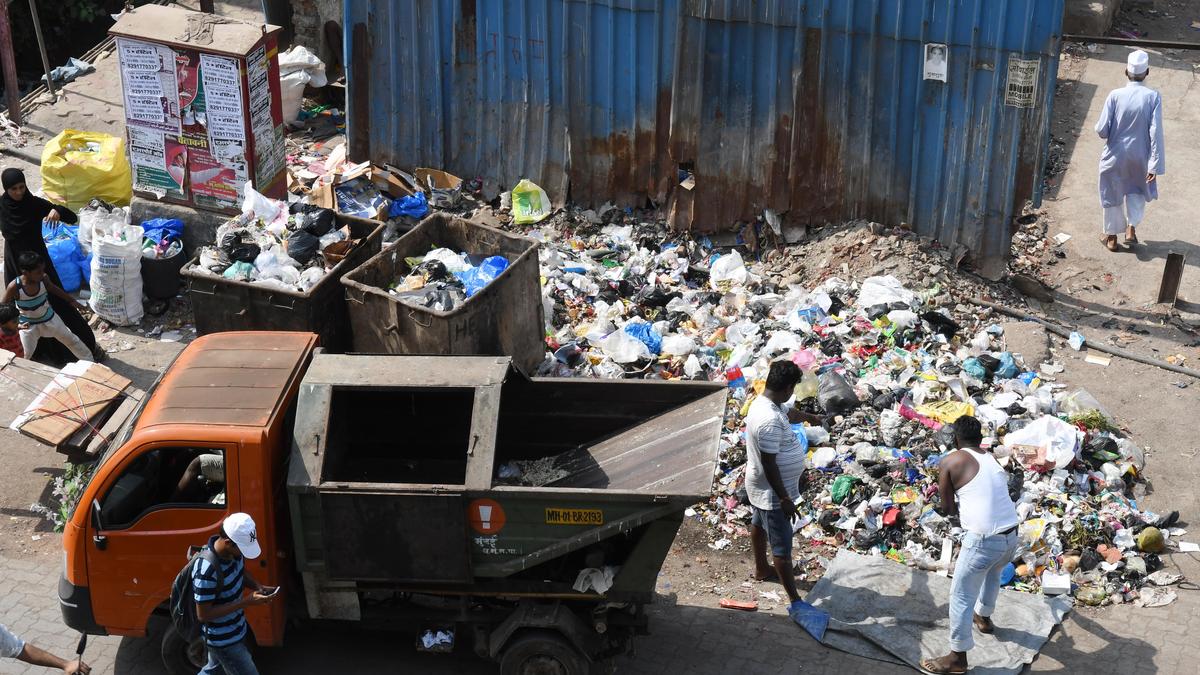
Then on January 13, 2026, Mumbai Police spotted Godavari during a routine patrol at JJ Junction in Byculla. Officers immediately recognized she needed help and took her into protective custody, providing food, medical care, and sending her to an NGO for counseling.
With no documents and fading memories, Godavari could recall only her name and one other detail after several counseling sessions: Selu, her village name. Police contacted the Selu station, found the 12-year-old missing person report, and arranged the reunion.
The Ripple Effect
Godavari's story sparked attention to a technology that could prevent such long separations. Mumbai innovator Akshay Ridlan created Project Chetna in 2023 after reading about missing persons cases while studying for civil service exams.
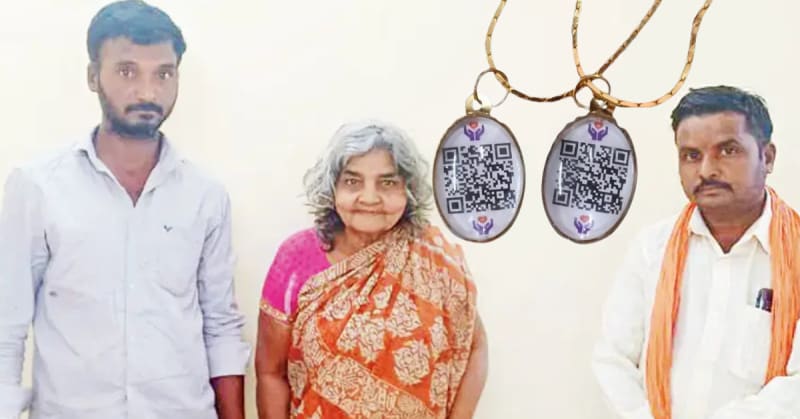
The solution is beautifully simple. Small pendants with QR codes store essential information like names, addresses, emergency contacts, and medical conditions. Anyone with a smartphone can scan the code and instantly access what they need to help someone get home.
The technology especially helps people with dementia, Alzheimer's, or autism who may wander and struggle to communicate their identity. Since launch, the pendants have already helped reunite several families.
Each pendant costs about 200 rupees to make (roughly $2.40 USD). Akshay distributes many free to families who need them most.
Families register their loved one's details on the Project Chetna website. When someone scans the code, they immediately see contact information for family or caregivers. Akshay is now developing alerts that notify families when codes get scanned from new locations.
The contrast between Godavari's 12-year ordeal and what this technology offers is striking. What took over a decade of searching could now take minutes with the right tools in place.
Sometimes the most powerful innovations aren't the flashiest ones but the ones that solve real human problems with elegant simplicity.
More Images
%2Fenglish-betterindia%2Fmedia%2Fmedia_files%2F2026%2F01%2F22%2Ffeatured-img-1-2026-01-22-18-19-21.png)
%2Ffilters%3Aformat(webp)%2Fenglish-betterindia%2Fmedia%2Fmedia_files%2F2026%2F01%2F22%2Fgoda-a-1769037871574_d-2026-01-22-16-17-13.webp)

%2Ffilters%3Aformat(webp)%2Fenglish-betterindia%2Fmedia%2Fmedia_files%2F2026%2F01%2F22%2Fakshay-ridlan-1695384656-2026-01-22-16-18-01.webp)
Based on reporting by The Better India
This story was written by BrightWire based on verified news reports.
Spread the positivity!
Share this good news with someone who needs it