Queensland Farm Turns Veggie Scraps Into Power for 31K Homes
A Queensland vegetable farm is building Australia's first "paddock to power" facility that transforms carrot peels, pumpkin rinds, and other farm waste into renewable energy. The $291 million project will power 31,000 homes while keeping the region's scenic landscape intact.
Vegetable scraps from one of Queensland's biggest farms will soon keep the lights on for tens of thousands of homes.
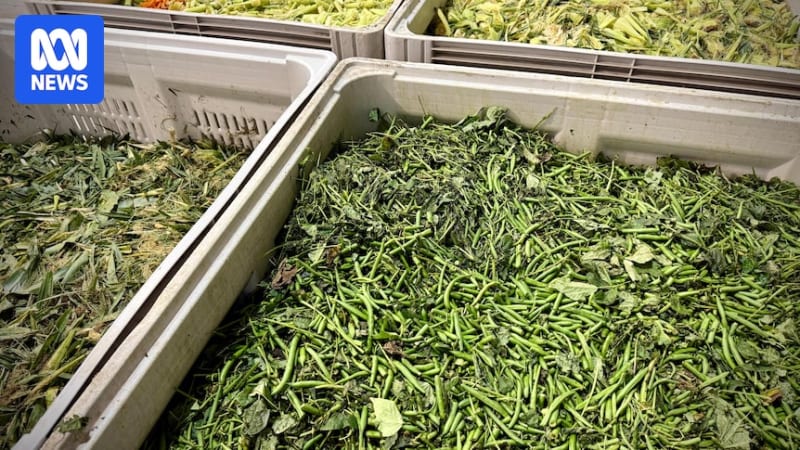
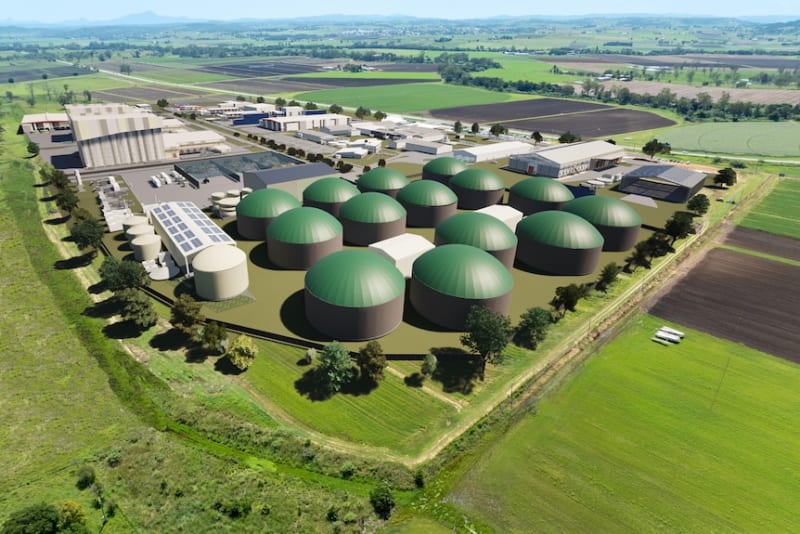
Kalfresh, a major producer of carrots, pumpkins, onions and beans, broke ground Thursday on a groundbreaking $291 million bioenergy facility at Kalbar, west of Brisbane. The 40-hectare site will transform processing offcuts, farm waste and rotational crops into renewable natural gas through a process called anaerobic digestion.
Here's how it works: microorganisms break down organic matter and convert it into both biogas and fertiliser. While the technology is already used in Australian wastewater and landfill facilities, this marks the first time it's been deployed at scale on a farming operation.
At full capacity, the facility will generate enough energy to power up to 31,000 homes or fuel 98 million kilometres of truck and bus travel each year. The first kilowatts are expected to flow into Queensland's grid by mid-2027.
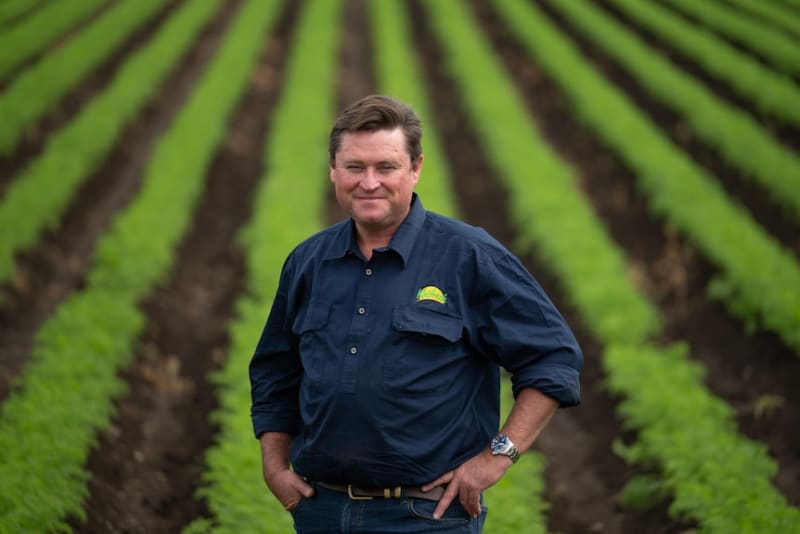
CEO Richard Gorman said he's been dreaming about this project for over a decade, after first seeing anaerobic digesters power truck fleets for companies like Amazon and UPS in Europe and America. "I knew it was an energy model that suited us," he said.
The timing couldn't be better for rural communities concerned about renewable energy infrastructure. Deputy Premier Jarrod Bleijie highlighted that unlike solar and wind farms, this approach works within existing agricultural landscapes. "We have here a biofuel that everyone can get behind. Farmers can get behind," he said.
Construction will create about 1,000 jobs, with 475 ongoing positions once operational. The plant could run for up to 60 years.
The Ripple Effect
This project shows how waste can become a winning strategy for farms, communities and the climate all at once. Kalfresh gets to diversify its business while reducing energy bills and enriching its soil with fertiliser byproducts. The Scenic Rim keeps its postcard-perfect landscape free from sprawling solar and wind installations. And Queensland's grid gets reliable baseload power that can kick in when wind and solar aren't available.
The company plans to build similar facilities across the state, proving that the path to renewable energy doesn't have to sacrifice farmland or scenic beauty.
Gorman summed it up perfectly: "Paddocks that can grow food can grow baseload power to support the grid." Australia's first "paddock to power" facility proves renewable energy can grow right where our food does.
More Images


Based on reporting by ABC Australia
This story was written by BrightWire based on verified news reports.
Spread the positivity!
Share this good news with someone who needs it