Queensland Farmers Win Meeting With Power Giants Over Costs
A small group of Australian farmers successfully pushed two government-owned corporations to the negotiating table over unfair water costs. After years of shouldering 100% of maintenance costs while using just 49% of the water, local irrigators are finally getting heard.
Seventy determined farmers in Central Queensland just proved that speaking up can move mountains, or at least get corporate giants to listen.
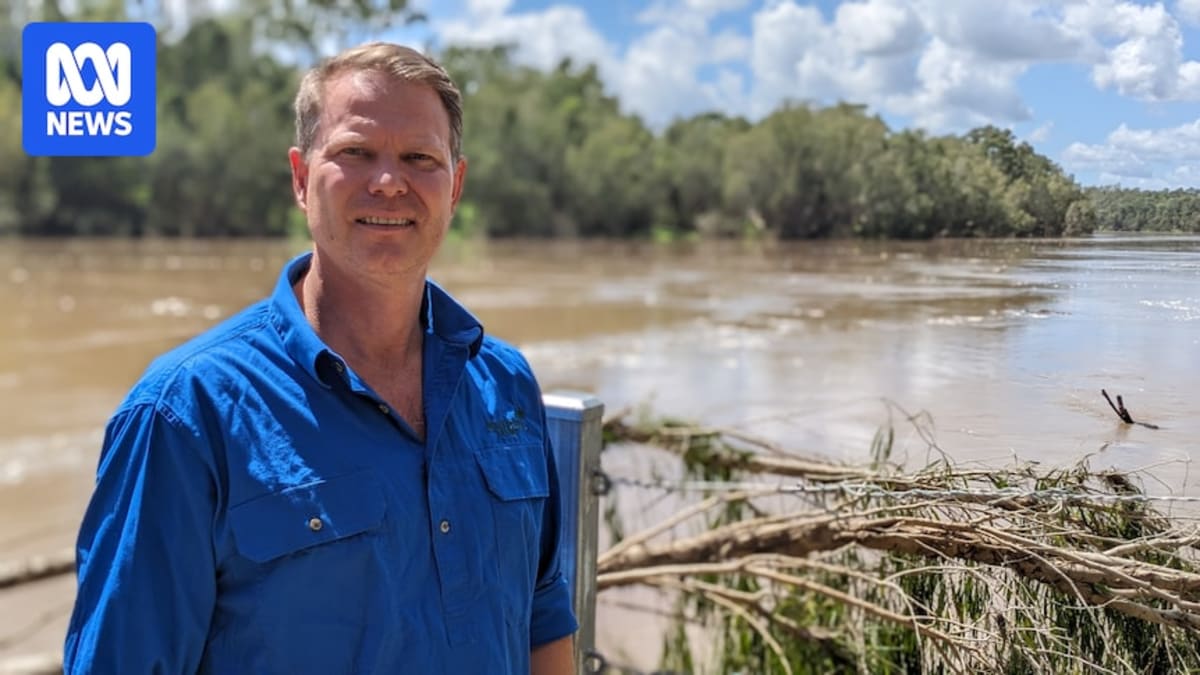
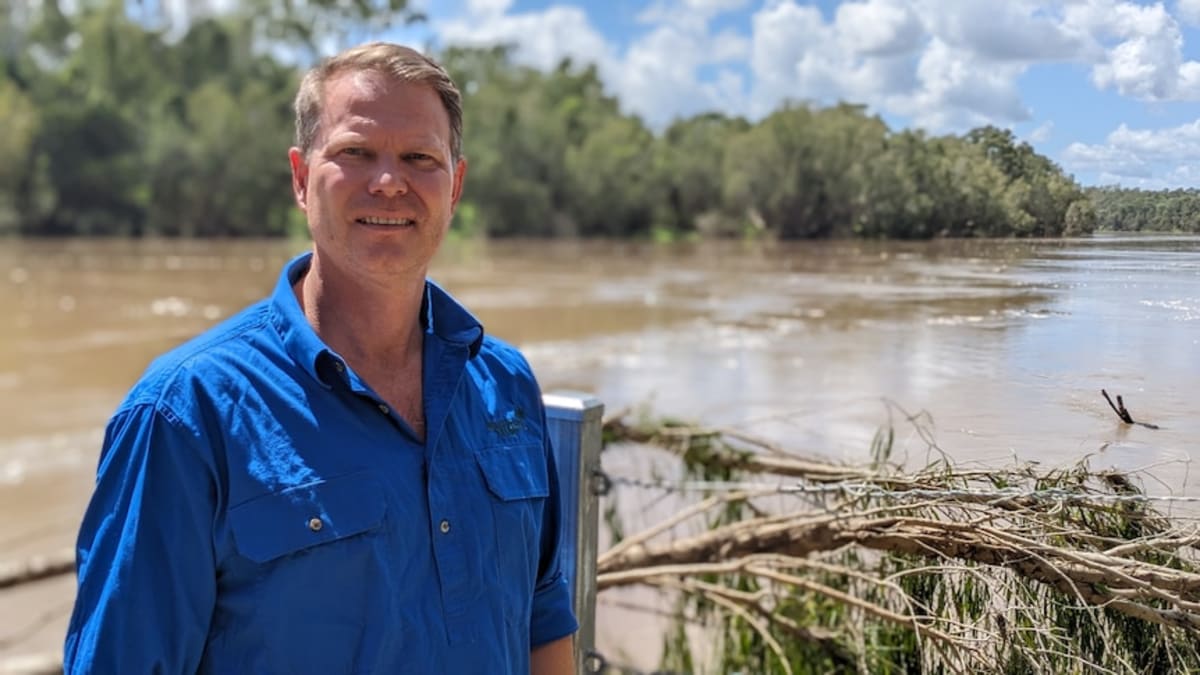
For decades, local irrigators along the Fitzroy River have been paying the full cost of maintaining a crucial water barrage while Stanwell Power Station and Gladstone Area Water Board drew water without contributing a cent. When the local council announced a 20% rate increase to cover $15 million in urgent repairs, macadamia farmer Henrik Christiansen and his neighbors decided enough was enough.
The math told a frustrating story. Local farmers and residents use about 49% of the water stored behind the Fitzroy River Barrage, yet they cover 100% of its upkeep costs. Meanwhile, two major government-owned operations have been drawing water from the system for years, with Stanwell Power Station alone pumping 20,000 megalitres annually for the past 32 years.
The farmers argued that without the barrage keeping river levels high and blocking saltwater contamination, the corporations couldn't pump water at all. Both Stanwell and GAWB insisted they weren't technically using the barrage itself, just water released from upstream weirs, so they shouldn't have to pay.
The Ripple Effect
Rather than accepting the rate hike quietly, the irrigators organized and lobbied hard enough to get everyone in the same room. This week, all stakeholders, including the Minister for Local Government and Water, are meeting in Rockhampton to work through the issue.
The outcome could reshape water cost arrangements across Queensland. If successful, it would set a precedent for fairly distributing infrastructure costs based on actual usage rather than technicalities about where water is "stored" versus "released."
Rockhampton Mayor Tony Williams confirmed the council is working toward "a positive outcome in the interest of council, local irrigators and the region." The state government acknowledged the meeting represents a chance to fix "commercial arrangements" that have burdened farming communities with inflated water bills.
For Christiansen and his fellow farmers, the meeting represents something bigger than just dollars. It proves that ordinary people organizing around a clear injustice can force powerful institutions to rethink unfair systems, even when those institutions initially insist everything is fine.
Today's conversation in Rockhampton could mean fairer water bills for 70 farming families and a blueprint for communities everywhere facing similar David-versus-Goliath infrastructure battles.
More Images



Based on reporting by ABC Australia
This story was written by BrightWire based on verified news reports.
Spread the positivity!
Share this good news with someone who needs it