Queensland Moves to Close Loophole Shielding Abuse Institutions
Queensland survivors of institutional abuse are one step closer to justice as the opposition introduces legislation to hold churches and organizations accountable, regardless of perpetrator employment status. The bill follows similar wins in Victoria and the ACT after a 2024 court ruling created a troubling gap in protection.
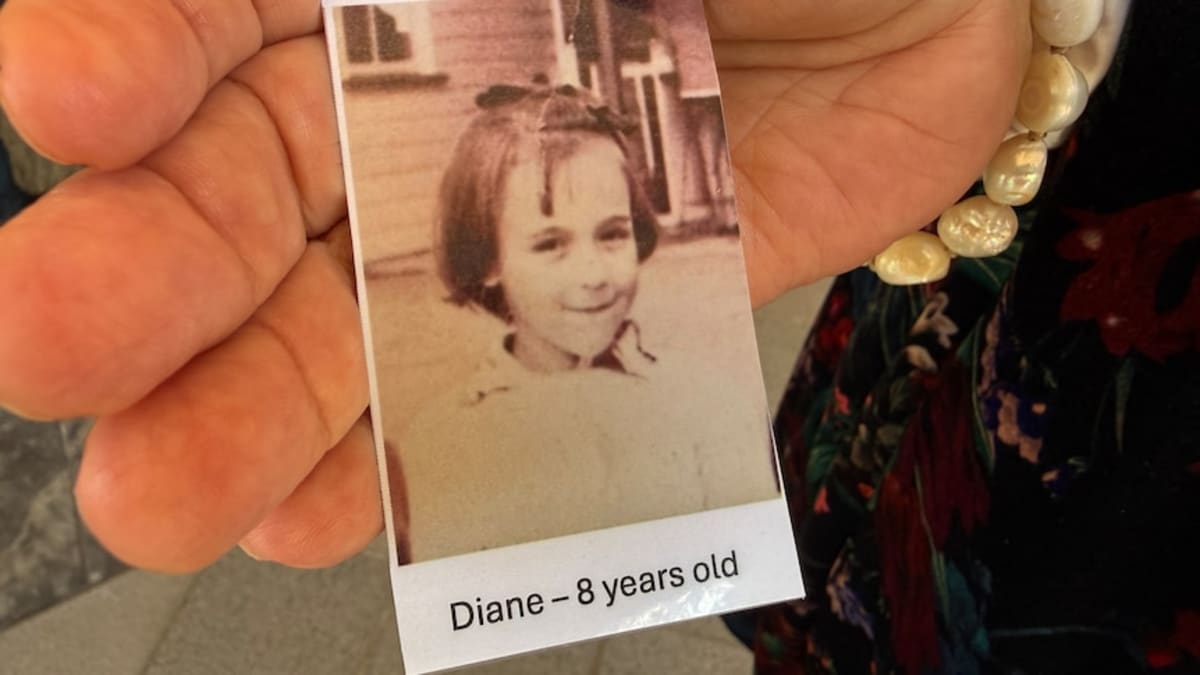
Diane Carpenter was just eight years old when a priest abused her in a Rockhampton orphanage, but a legal loophole has blocked her path to justice for decades.
This week, Queensland's opposition will introduce a bill designed to close that gap. The legislation would allow survivors to hold institutions accountable for abuse, even when perpetrators weren't technically employees.
The loophole emerged from a 2024 High Court decision that found the Catholic Church not vicariously liable for a priest's actions because his work arrangement only resembled employment. That ruling left countless survivors without recourse against the institutions that gave abusers access to children.
"What this means to us is that everybody deserves a pathway to justice," Carpenter said. She spent 14 years as a ward of the state, enduring trauma that shaped her entire life.
Fellow survivor Val Cooper described the weight survivors carry. "I was busy surviving while others were laughing and playing," she explained. "When legislation comes along and says 'no,' it just kills you."
The Ripple Effect
Queensland wouldn't be pioneering this change alone. Victoria and the ACT have already passed similar laws protecting survivors, creating momentum across Australia. Western Australia has introduced legislation too, though it faces delays as lawmakers debate its scope.
The bill recognizes a simple truth: a survivor's trauma doesn't change based on whether their abuser was classified as an employee, volunteer, or priest. The institutions that granted these individuals power and access to vulnerable children should face accountability.
Shadow attorney-general Meaghan Scanlon emphasized this point clearly. "Their pain is the same, and that institution who put that person in power should be held to account," she said.
The legislation represents more than legal technicality. For survivors like Carpenter and Cooper, it acknowledges their experiences and validates their long fight for recognition.
After decades of silence and a year since the High Court decision, Queensland survivors may finally see their day in court.
More Images


Based on reporting by ABC Australia
This story was written by BrightWire based on verified news reports.
Spread the positivity!
Share this good news with someone who needs it